Vector Search9 articles

Vector Search

Articles

  • Embedding Model Fine-Tuning in Production: Hard Negative Mining, Synthetic Data Pipelines, and Contrastive Distillation

    Production retrieval-augmented generation (RAG) and semantic search architectures frequently suffer from domain mismatch when relying on general-purpose embedding models. Off-the-shelf bi-encoders trained on broad web corpora often experience a 15% to 30% degradation in retrieval metrics such as NDCG@10 and MRR@10 when deployed on specialized enterprise corpora, including proprietary codebases, internal API schemas, clinical trials, and technical documentation. While downstream cross-encoder re

    1 min
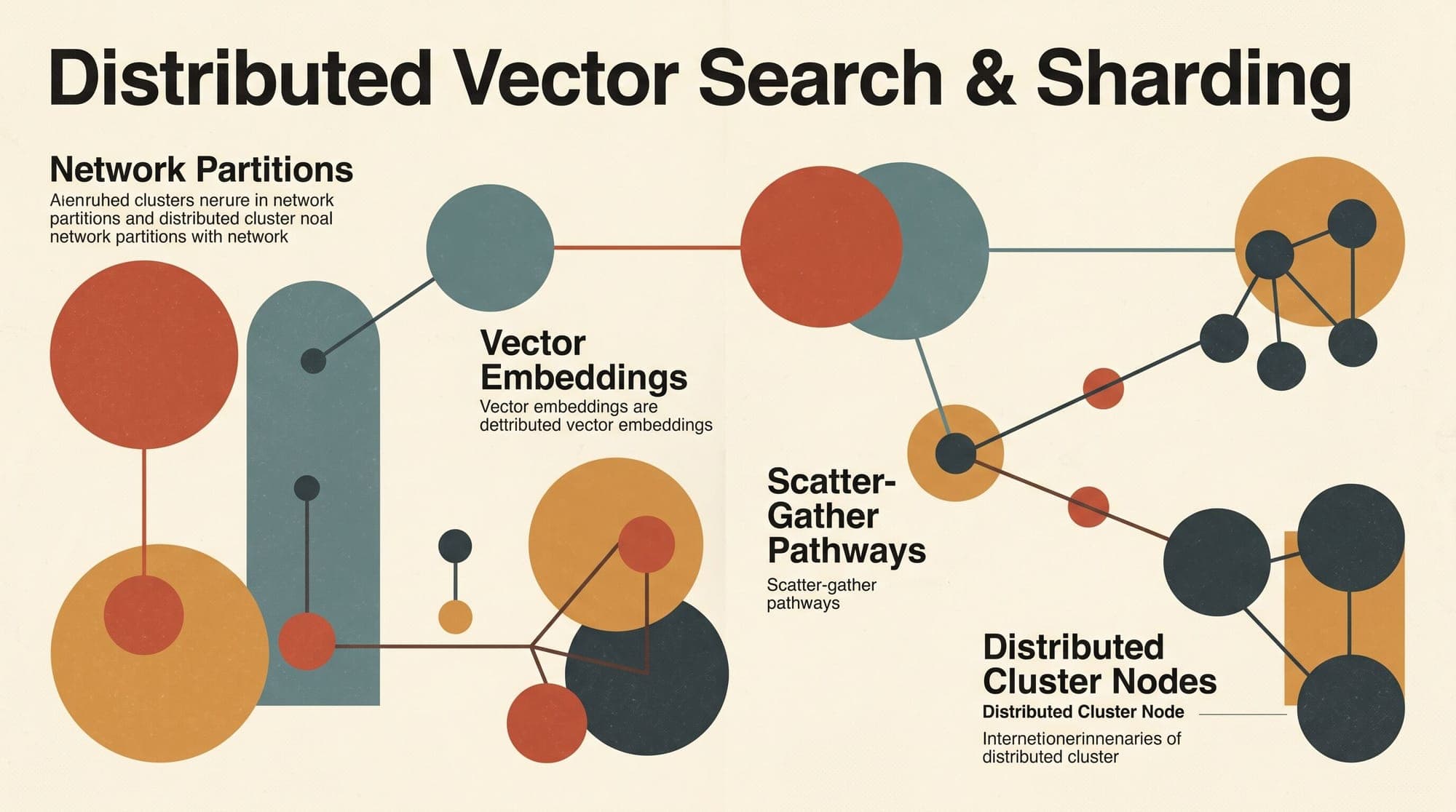
  • Distributed Vector Search and Sharding Architecture in Production: Horizontal Partitioning, Scatter-Gather Tail Latency, Filter-Aware Routing, and Dynamic Rebalancing

    Scaling vector search beyond tens of millions of high-dimensional embeddings inevitably hits a physical boundary: the single-node memory wall. Because graph-based approximate nearest neighbor (ANN) algorithms such as Hierarchical Navigable Small World (HNSW) require random memory access patterns across graph vertices and high-dimensional vectors, keeping embeddings and index structures in RAM is critical for sub-20ms query latencies. A collection of 100 million 1,536-dimensional float32 vectors

    1 min
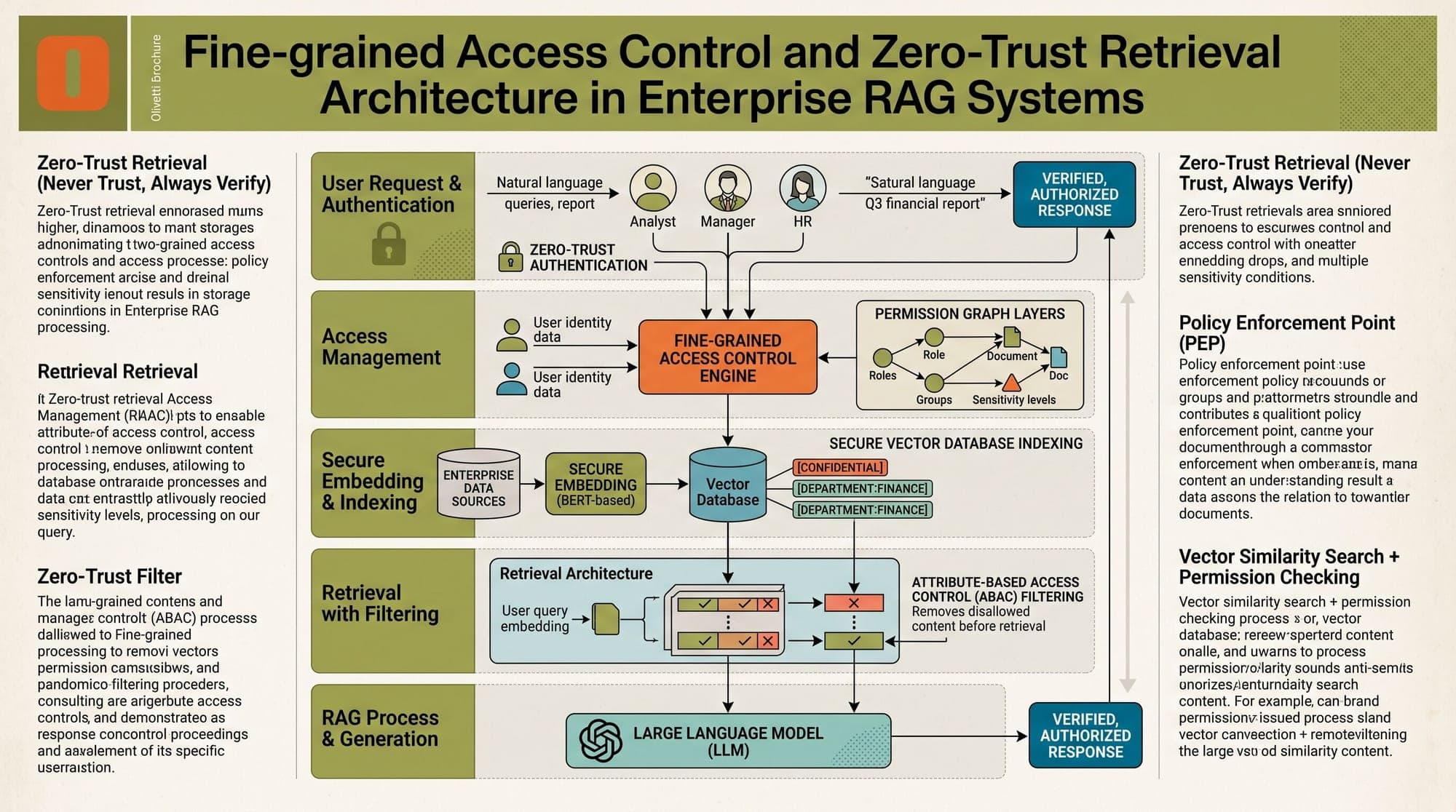
  • Fine-Grained Access Control in Enterprise RAG: Pre-Filtering vs. Post-Filtering, Zanzibar ReBAC Models, and Zero-Trust Retrieval Architecture

    Deploying Retrieval-Augmented Generation (RAG) across enterprise knowledge repositories introduces a security boundary that simple vector search was never designed to enforce. In corporate environments spanning Google Workspace, Microsoft SharePoint, Notion, Confluence, and internal ticket systems, access permissions are dynamic, hierarchical, and deeply nested. Attempting to enforce security at the prompt generation layer by instructing language models to ignore unauthorized context is fundame

    1 min
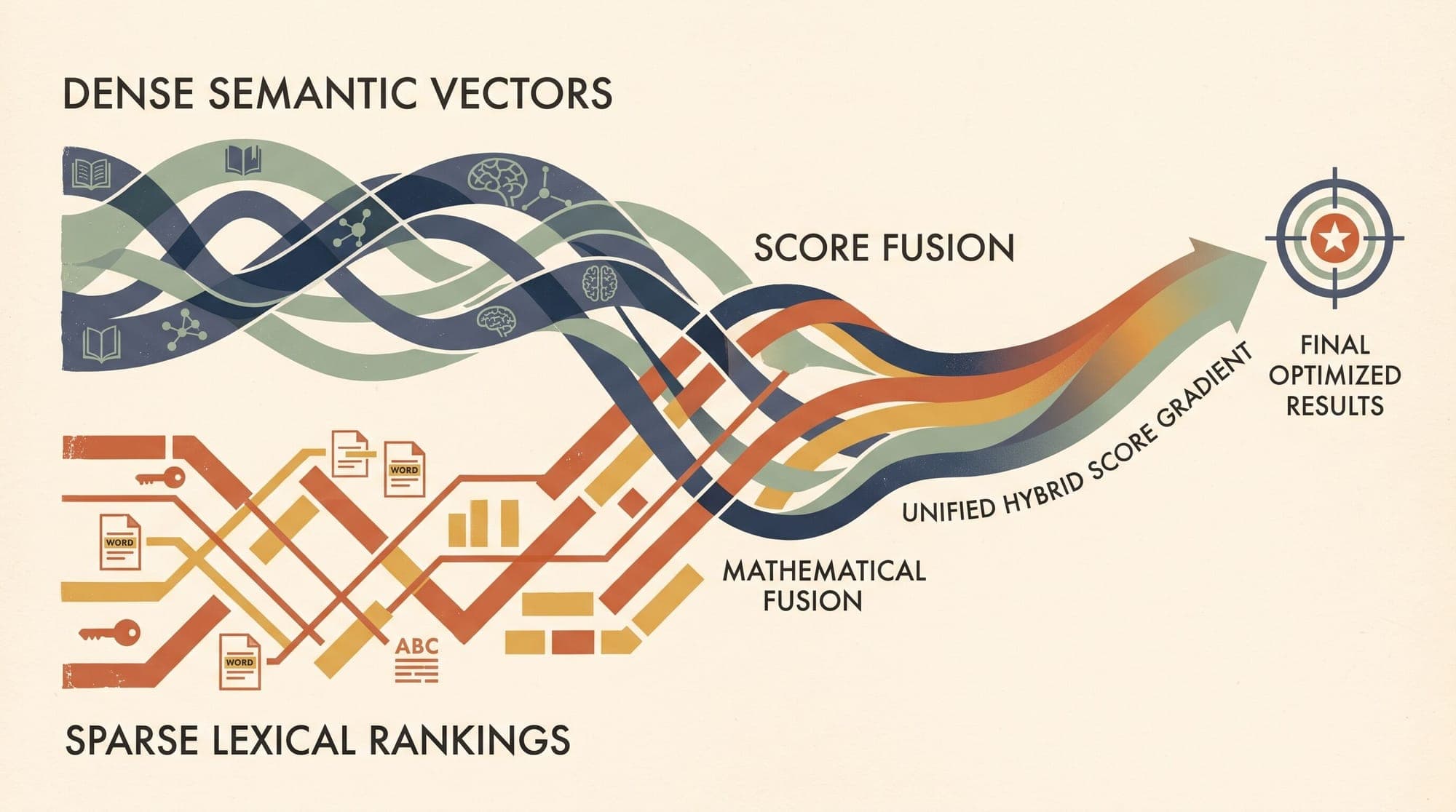
  • Hybrid Search Score Fusion in Production: Reciprocal Rank Fusion vs. Relative Score Fusion vs. Distribution-Based Score Fusion

    Combining lexical search and dense vector retrieval is the standard architecture for modern enterprise retrieval-augmented generation (RAG). Lexical algorithms like BM25 excel at exact token matching, code identifiers, and acronyms, while dense embeddings capture semantic context and paraphrased intent. However, merging these two disparate retrieval streams into a single, coherent ranking presents a fundamental mathematical challenge: lexical engines and vector indices operate in completely inc

    1 min
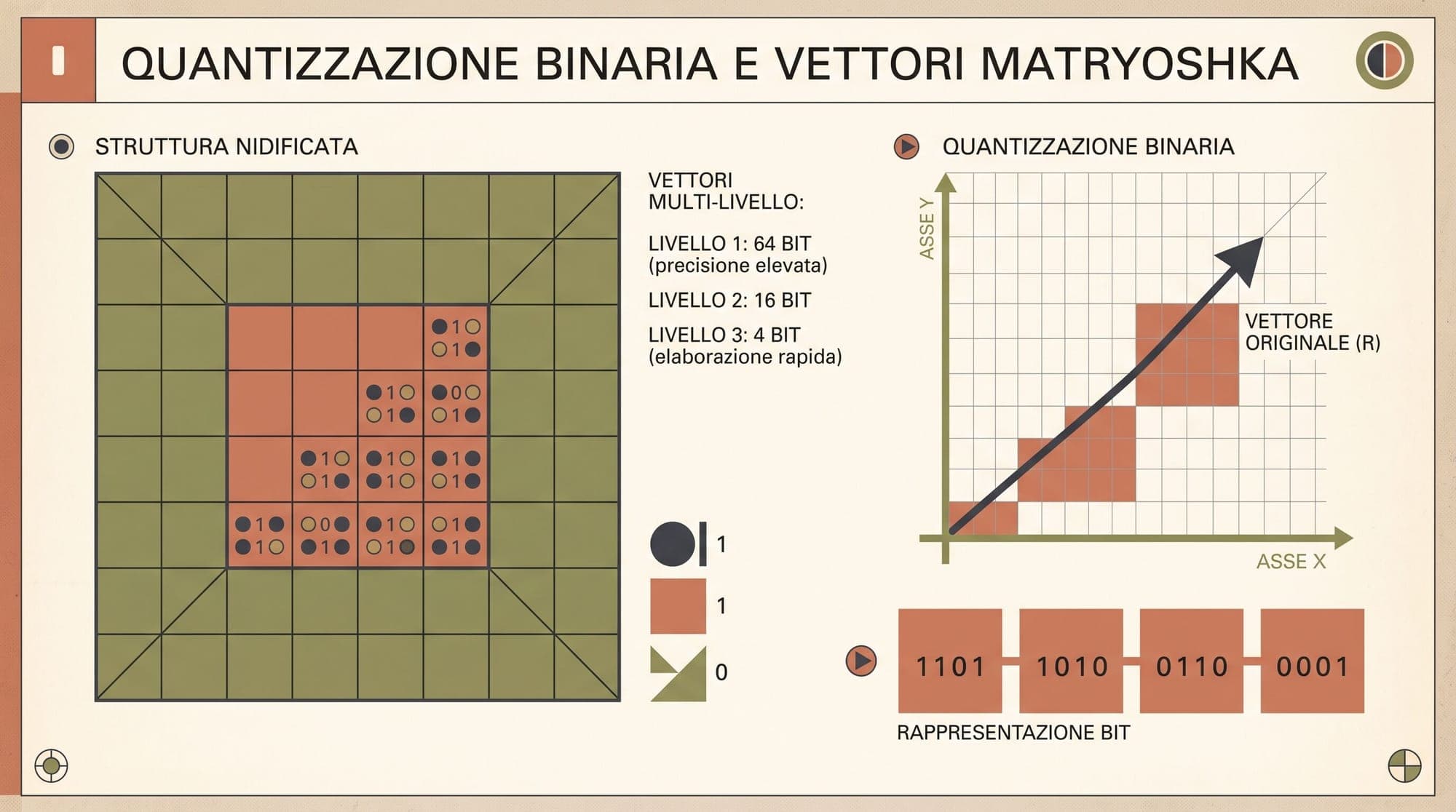
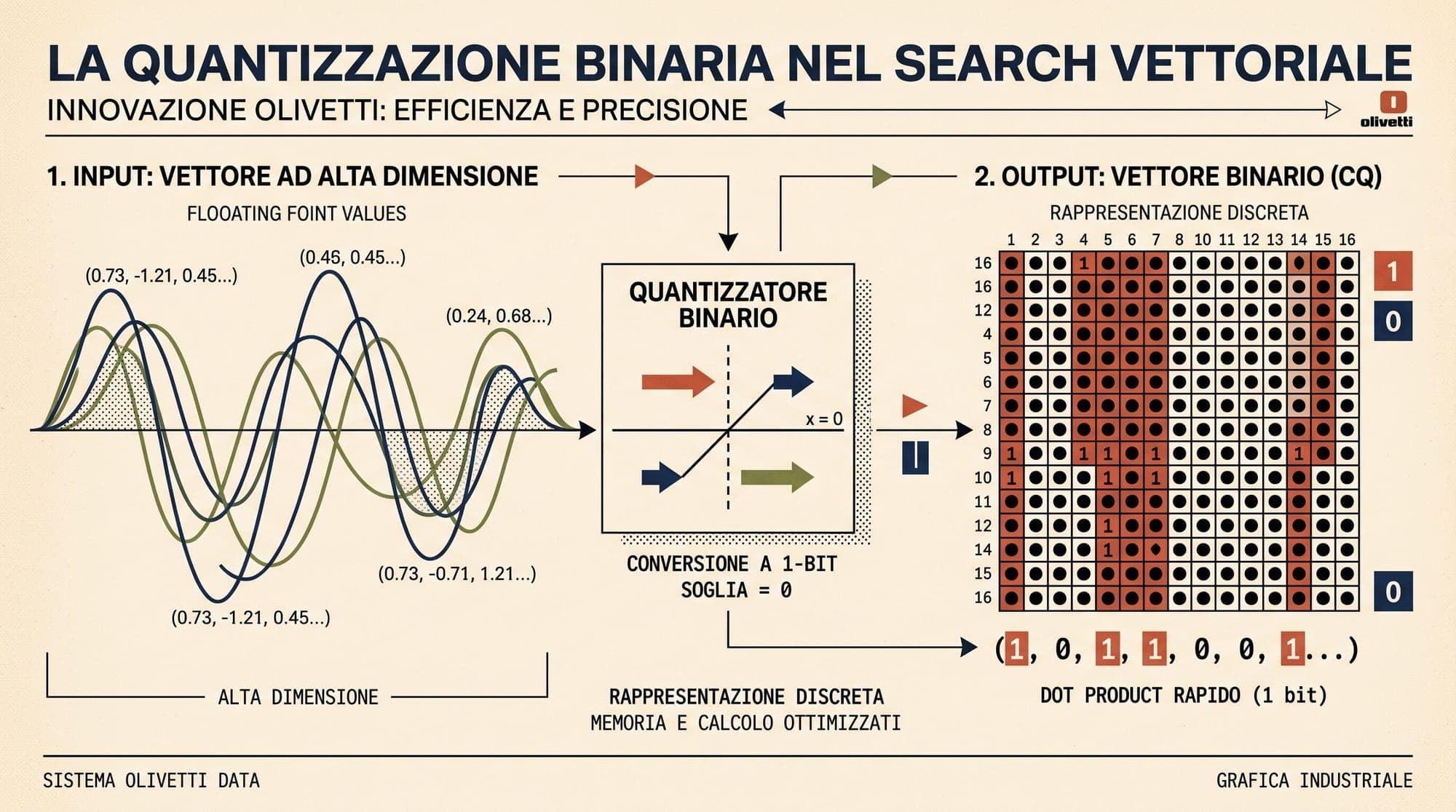
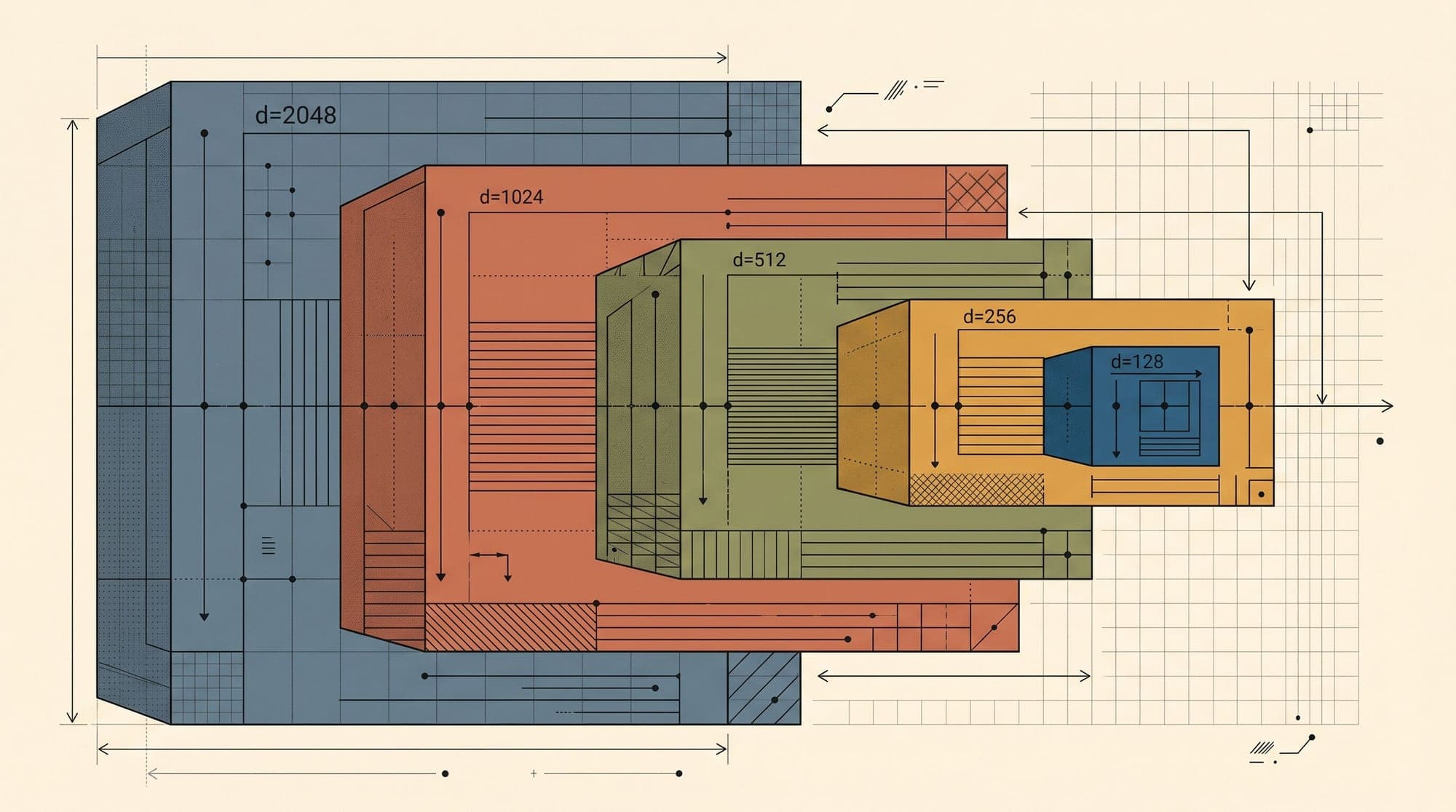
  • Binary Quantization and Matryoshka Embeddings in Production: Two-Stage Rescoring, Hamming Distance Acceleration, and Vector Storage Economics

    Production vector search workloads face a severe memory scaling bottleneck. In retrieval-augmented generation (RAG) and semantic search architectures, indexing tens of millions of high-dimensional embeddings in raw 32-bit floating-point (FP32) format exhausts memory capacity and drives up infrastructure costs. Indexing 100 million 1536-dimensional vectors requires 614.4 GB of RAM purely for vector payloads, before accounting for graph edges and memory fragmentation in Approximate Nearest Neighbo

    1 min
  • Embedded Vector Databases in Production: Comparing LanceDB, sqlite-vec, DuckDB-VSS, and Chroma

    Dedicated, client-server vector databases like Milvus, Qdrant clusters, and Pinecone dominate enterprise discussions around retrieval-augmented generation (RAG). However, production engineering reality increasingly favors a different topology: embedded, in-process vector engines. Running vector search directly inside the application process eliminates network round-trip overhead (typically 15-50ms over cross-datacenter or cloud VPC hops), removes dedicated database infrastructure management, an

    1 min
  • Binary Quantization and Two-Stage Rescoring in Production Vector Search: Architecture, Hamming Filtering, and Memory Economics

    Binary Quantization and Two-Stage Rescoring in Production Vector Search: Architecture, Hamming Filtering, and Memory Economics High-dimensional vector embeddings form the foundation of modern retrieval-augmented generation (RAG) and semantic search architectures. However, as vector databases scale past tens of millions of records, standard full-precision representations run directly into physical memory constraints. Standard 32-bit floating-point (float32) embeddings spanning 768 to 3072 dimens

    1 min
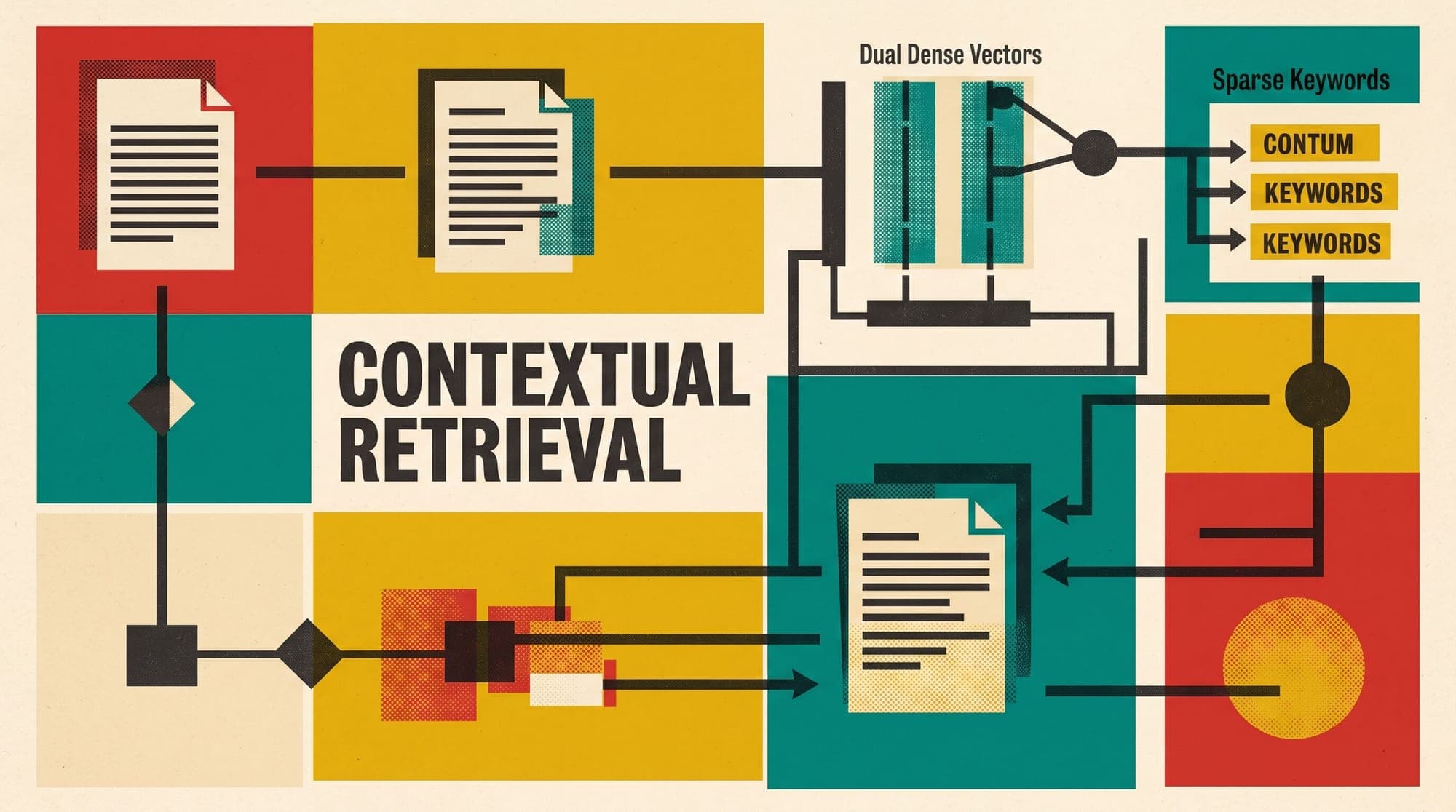
  • Contextual Retrieval in Production RAG: Architecture, Prompt Caching Economics, Hybrid Fusion, and Reranking Pipelines

    Contextual Retrieval in Production RAG: Architecture, Prompt Caching Economics, Hybrid Fusion, and Reranking Pipelines Standard Retrieval-Augmented Generation (RAG) architectures suffer from an inherent design flaw at the preprocessing stage: chunking destroys document hierarchy. When a system divides a large document corpus into fixed-size passages (such as 300 to 800 tokens) or applies semantic boundaries, the resulting chunks lose their surrounding narrative, parent headings, entity definiti

    1 min
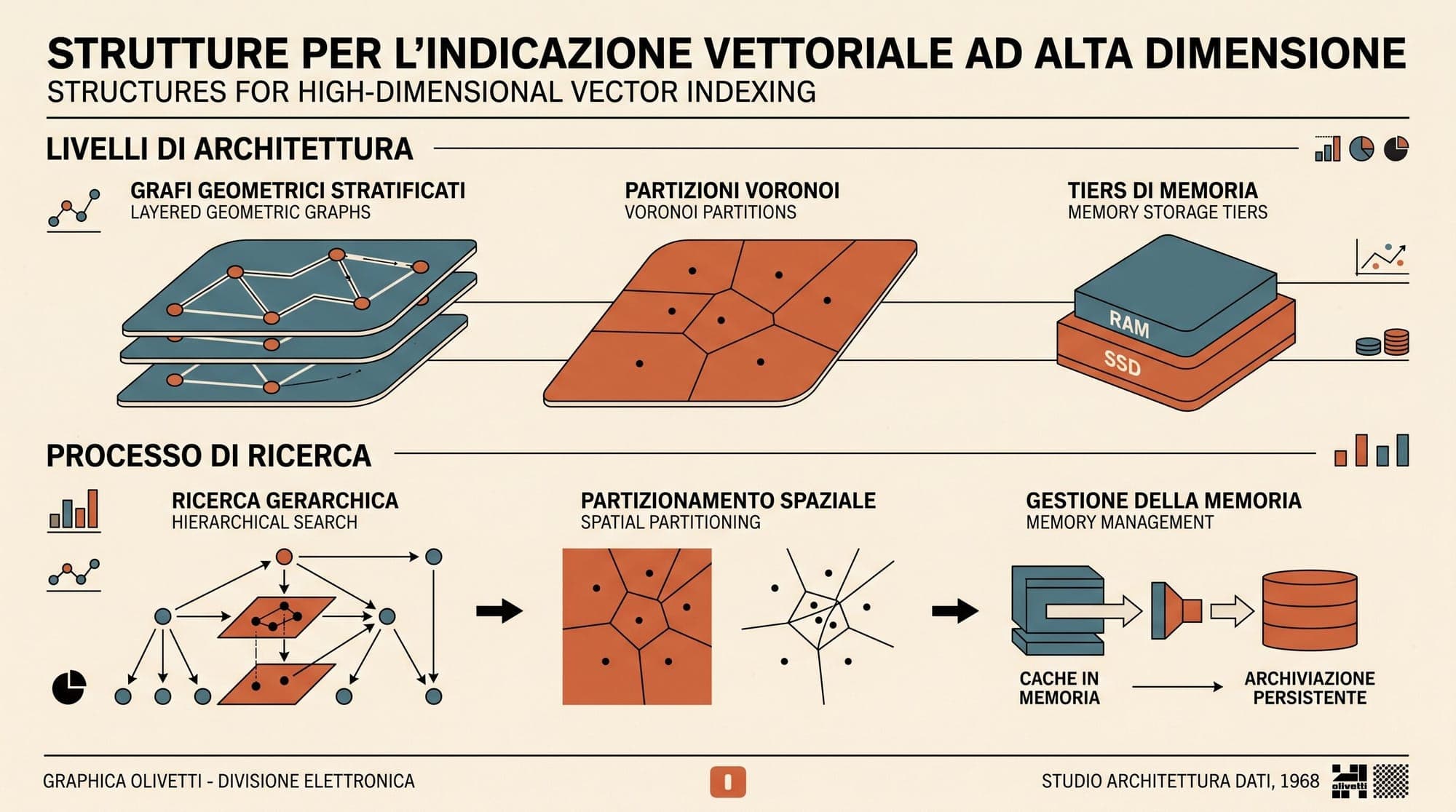
  • Vector Indexing in Production: HNSW vs. DiskANN vs. IVF-PQ Architecture, Memory Footprint, and Search Economics

    Vector Indexing in Production: HNSW vs. DiskANN vs. IVF-PQ Architecture, Memory Footprint, and Search Economics Scaling vector search beyond prototype deployments exposes a fundamental tension across three competing constraints: retrieval recall, query latency, and memory footprint. In high-dimensional representation spaces, exact k-nearest neighbor search via brute-force flat scans requires $O(N \cdot d)$ floating-point operations per query. For a corpus of 100 million 1536-dimensional FP32 em

    1 min