OpenAI Adds Native Alpha Transparency to GPT-Image-2 API

OpenAI has added native transparent background generation to its GPT-Image-2 model via the developer API, enabling direct creation of PNG images with integrated alpha channels. The feature bypasses post-processing segmentation pipelines, allowing developers to generate isolated visual assets directly during the synthesis step. Direct Alpha Generation vs. Post-Processing Traditional visual asset pipelines rely on secondary background-removal models, such as semantic segmentation masks or matti

2 min
OpenAI Adds Native Alpha Transparency to GPT-Image-2 API

OpenAI has added native transparent background generation to its GPT-Image-2 model via the developer API, enabling direct creation of PNG images with integrated alpha channels. The feature bypasses post-processing segmentation pipelines, allowing developers to generate isolated visual assets directly during the synthesis step.

Direct Alpha Generation vs. Post-Processing

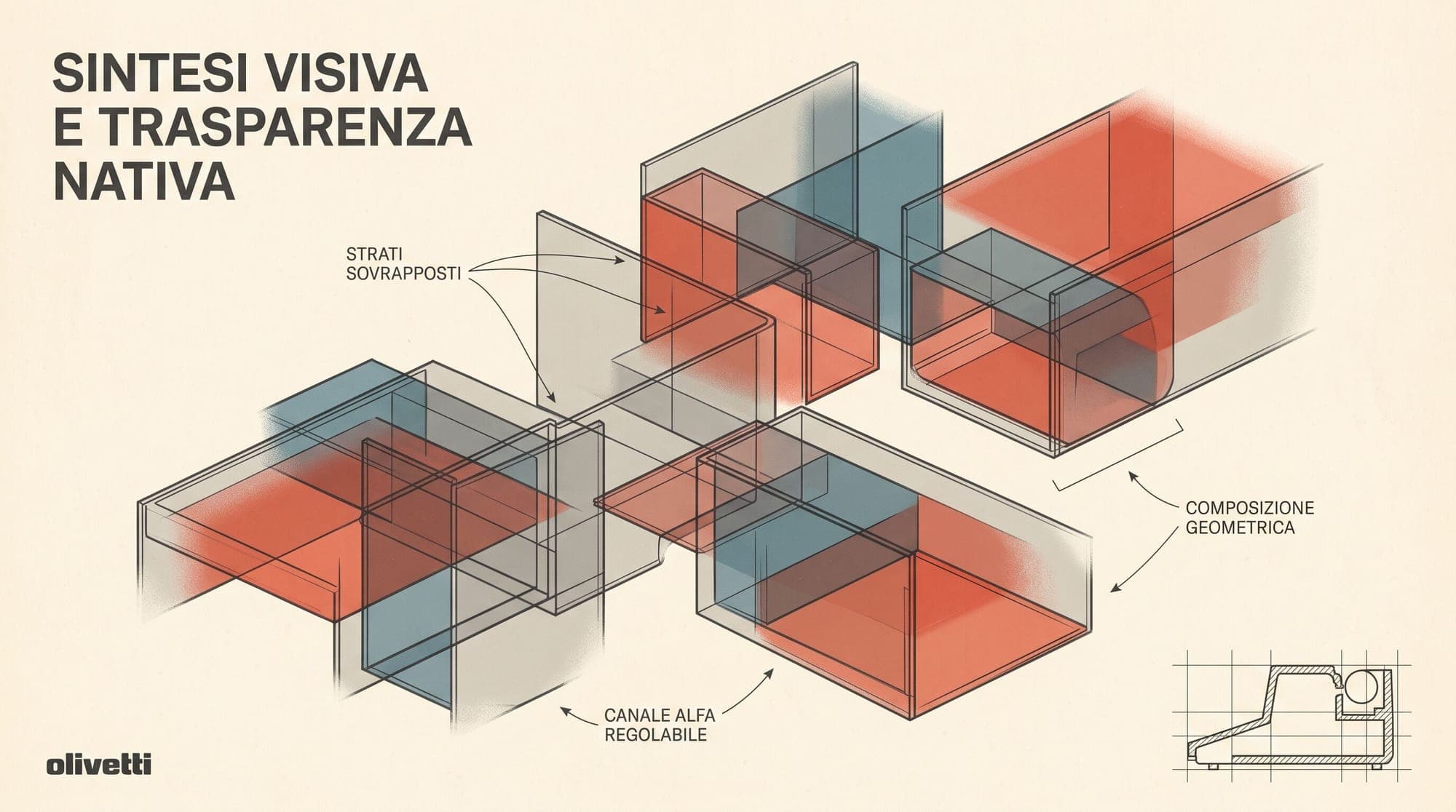
Traditional visual asset pipelines rely on secondary background-removal models, such as semantic segmentation masks or matting networks, to strip solid backgrounds after generation. This approach frequently introduces edge artifacts, color halos, and jagged clipping, particularly around fine hair, translucent glass, and soft shadows.

By generating the alpha channel natively at diffusion time, GPT-Image-2 outputs assets with anti-aliased boundaries and preserved semi-transparency.

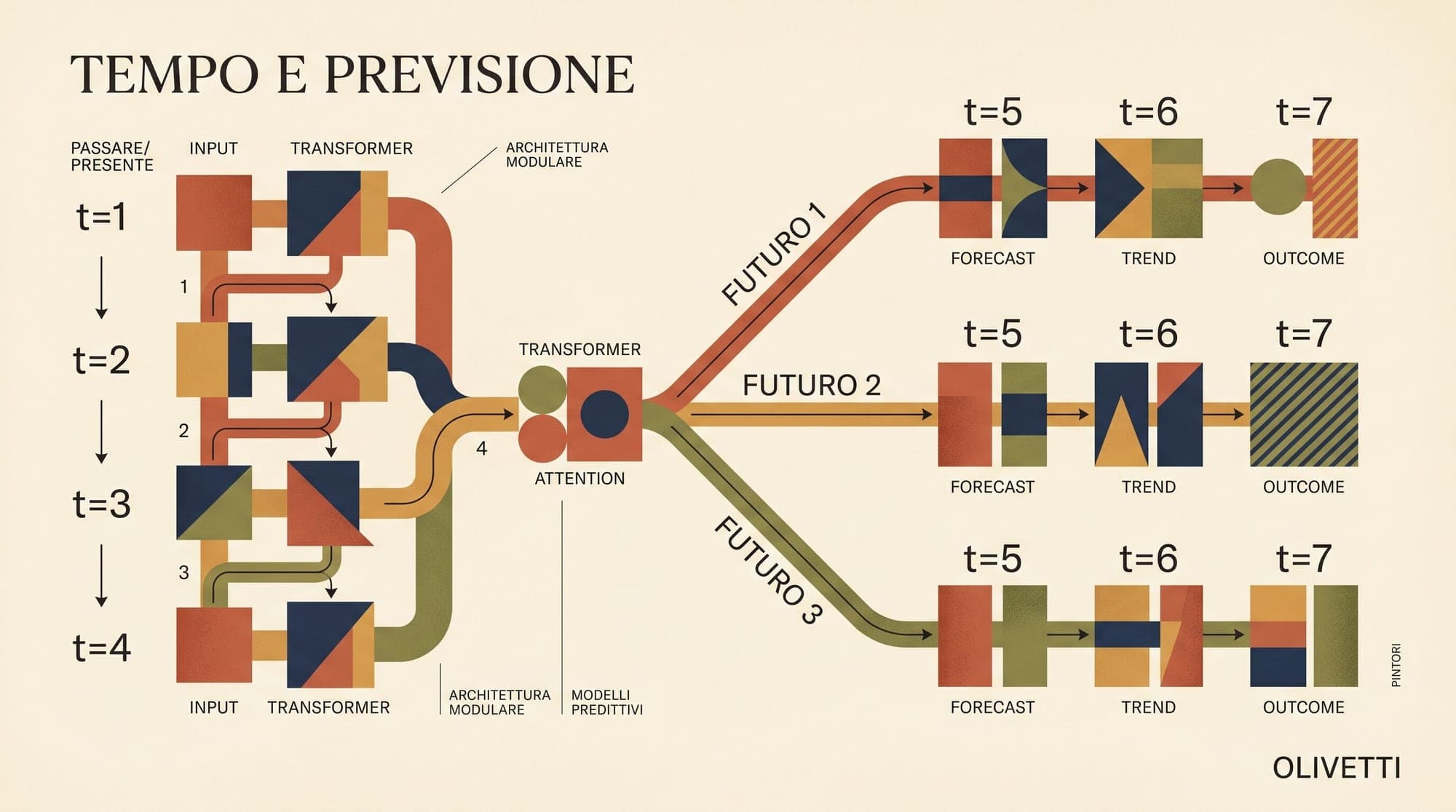
GPT-Image-2 Alpha Generation Pipeline

API Implementation and Prompting Rules

Developers enable the feature by supplying the parameter background=transparent in the API request.

OpenAI notes several operational requirements for developers integrating the capability:

  • Prompt Formulation: Background descriptions should be explicitly omitted from prompt strings. Prompting for "studio lighting" or "white background" can cause the model to generate background pixels despite the transparent flag.
  • Output Format: Generations return as raster PNG files with RGBA channels. Vector formats like SVG are not supported.
  • Numerical Validation: Generated charts, schematics, and presentation diagrams produce raster text and visual elements that require manual verification for numerical fidelity.
  • Client Dependencies: Integration requires Python with the standard openai and pillow libraries for payload handling and image manipulation.

Target Workflows

OpenAI published accompanying integration recipes detailing four primary production workflows:

  1. E-Commerce Catalogs: Generating isolated product photography ready for dynamic placement on varied digital storefront themes.
  2. Slide Decks and Diagrams: Creating transparent diagram elements and concept visuals for presentation software without manual clipping.
  3. User Interface Assets: Producing transparent icons, badges, and sticker sets configured for responsive light and dark interface themes.
  4. Merchandise Production: Outputting transparent vector-ready prints and apparel mockup layers.

The capability is currently available in preview across all tiers with API access to GPT-Image-2.

Sources

Written by

More to read

  • Anthropic Nears $7B Acquisition of AI Infrastructure Startup Decart Ahead of IPO

    Anthropic is finalizing negotiations to acquire Israeli artificial intelligence infrastructure startup Decart in a transaction valued at approximately $7 billion, according to reporting from Calcalist and Reuters. The acquisition, expected to be settled primarily in Anthropic equity, would mark the Claude developer's largest purchase to date as it prepares for a planned initial public offering. Founded in September 2023 by Dr. Dean Leitersdorf and Moshe Shalev, Decart specializes in hardware-ag

    1 min
  • LLM Inference on AMD ROCm in Production: MI300X Architecture, Triton Kernel Parity, and vLLM Serving Benchmarks

    LLM Inference on AMD ROCm in Production: MI300X Architecture, Triton Kernel Parity, and vLLM Serving Benchmarks Serving frontier large language models in enterprise production has historically been synonymous with NVIDIA CUDA infrastructure. However, the deployment of AMD Instinct MI300X accelerators across tier-one hyperscalers and neoclouds has established a viable alternative for high-throughput inference fleets. With 192 GB of high-bandwidth memory (HBM3) and 5.3 TB/s of peak theoretical m

    1 min
  • Identity Preference Optimization (IPO): How Exact Loss Inversion Prevents Overfitting in Direct Alignment

    The post-training alignment of large language models underwent a structural shift with the introduction of Direct Preference Optimization (Rafailov et al., 2023). By reparameterizing the closed-form optimal policy under a Kullback-Leibler (KL) constrained Reinforcement Learning from Human Feedback (RLHF) objective, DPO eliminated the need to fit an explicit reward model or maintain complex actor-critic rollout loops. However, standard DPO introduces a distinct mathematical pathology: under dete

    1 min