Computer Vision7 articles

Computer Vision

Articles

  • Vision-Language Model Serving in Production: Visual Token Pruning, Encoder Caching, Dynamic Resolution, and Inference Economics

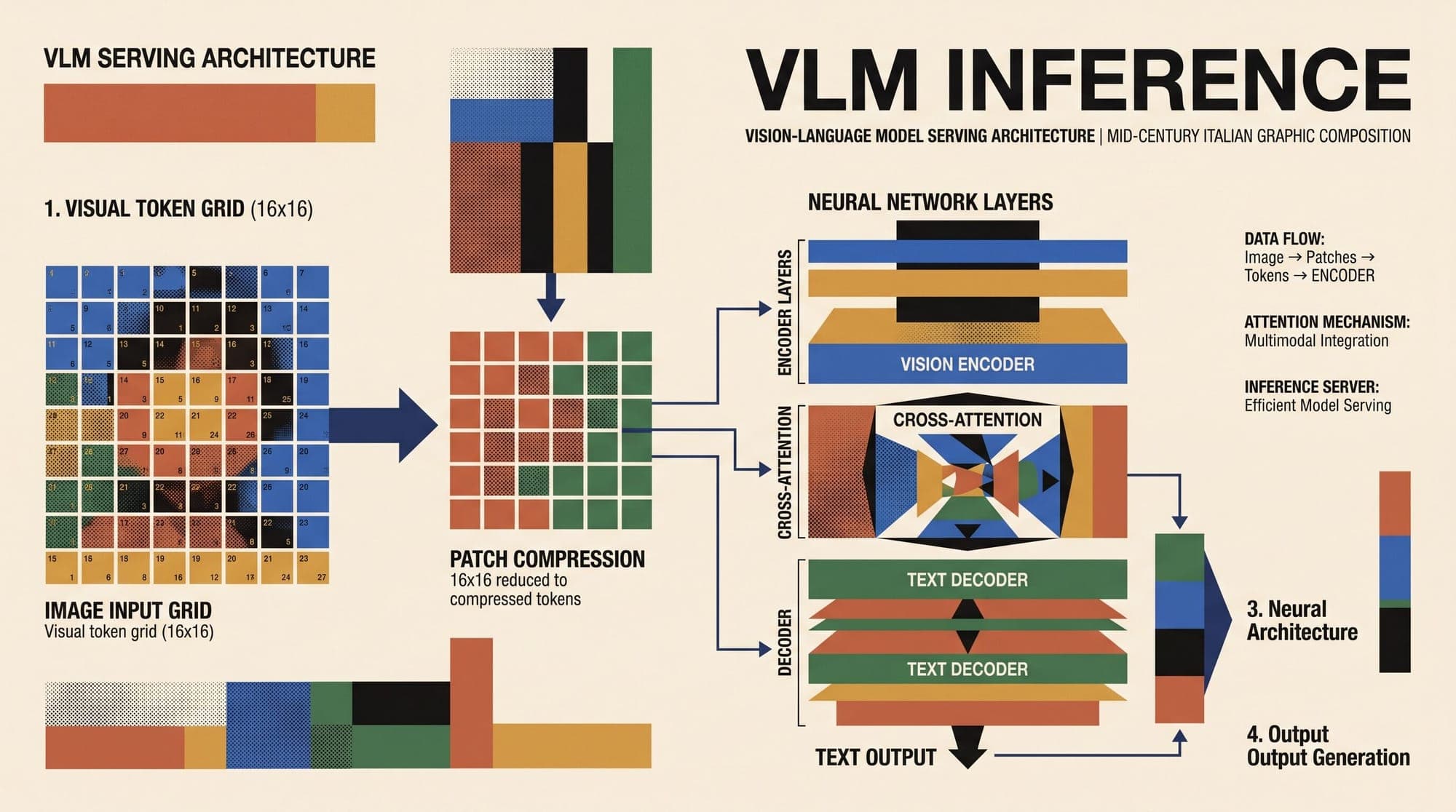
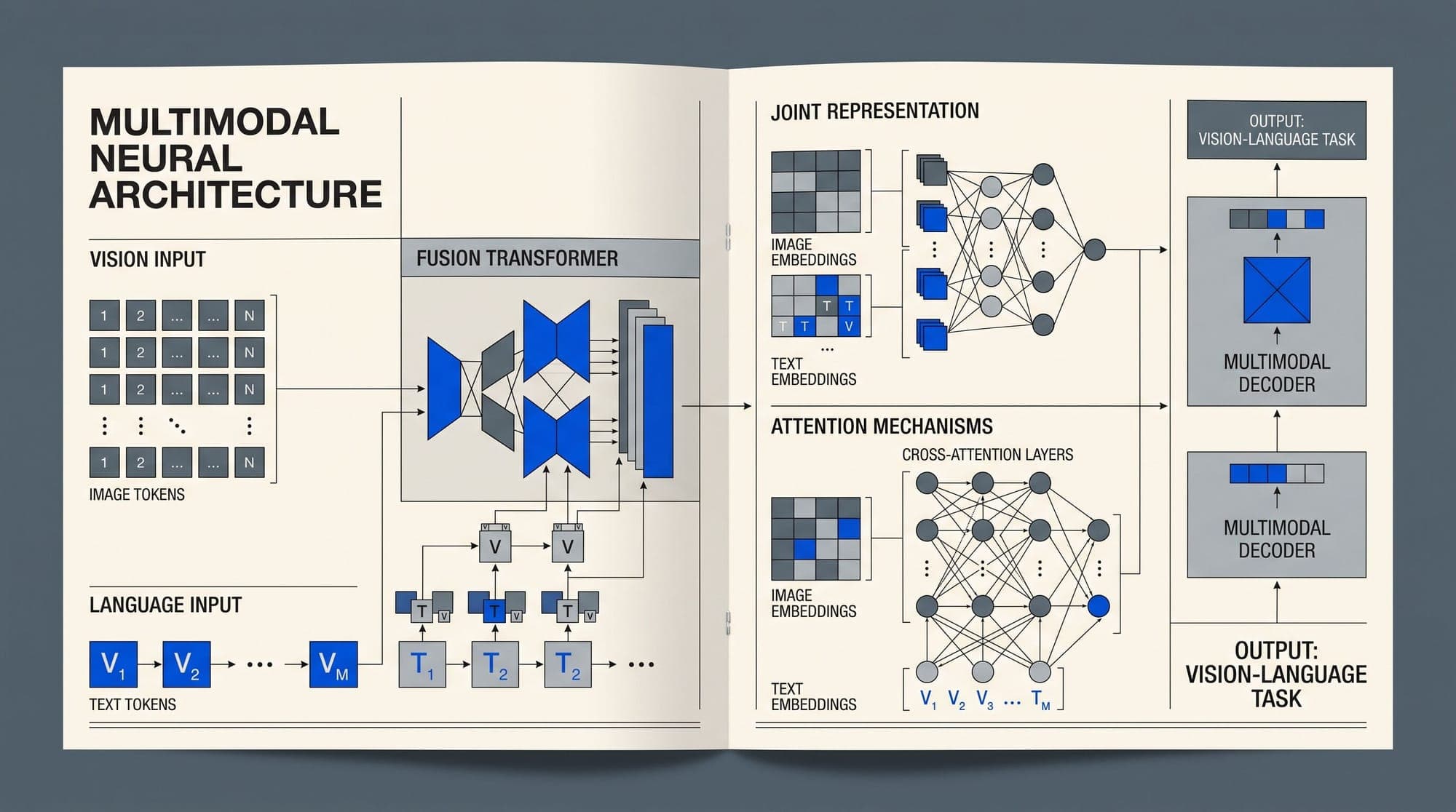
    Deploying Vision-Language Models (VLMs) into high-concurrency production environments introduces a distinct set of systems bottlenecks that text-only large language models do not exhibit. While text models ingest prompts with compact token densities, visual inputs require processing high-dimensional pixel arrays through vision encoders, expanding a single image into hundreds or thousands of visual tokens before autoregressive generation begins. In production architectures running models such as

    1 min
  • DeepSeek Releases DeepSeek-V4-Flash-Vision-Exp with Multimodal Tool Calling and Files API

    DeepSeek has expanded its flagship lightweight model with the release of DeepSeek-V4-Flash-Vision-Exp, an experimental multimodal variant that adds visual comprehension and document parsing to its API platform. The release bridges the gap between DeepSeek's high-throughput text architecture and vision-centric agent workflows. According to DeepSeek, the experimental model retains the text reasoning, agentic tool-use capabilities, and world knowledge of the base DeepSeek-V4-Flash checkpoint while

    1 min
  • OpenAI Adds Native Alpha Transparency to GPT-Image-2 API

    OpenAI has added native transparent background generation to its GPT-Image-2 model via the developer API, enabling direct creation of PNG images with integrated alpha channels. The feature bypasses post-processing segmentation pipelines, allowing developers to generate isolated visual assets directly during the synthesis step. Direct Alpha Generation vs. Post-Processing Traditional visual asset pipelines rely on secondary background-removal models, such as semantic segmentation masks or matti

    1 min
  • Contrastive Language-Image Pre-Training (CLIP): How Joint Multi-Modal Embeddings Bridge Vision and Language

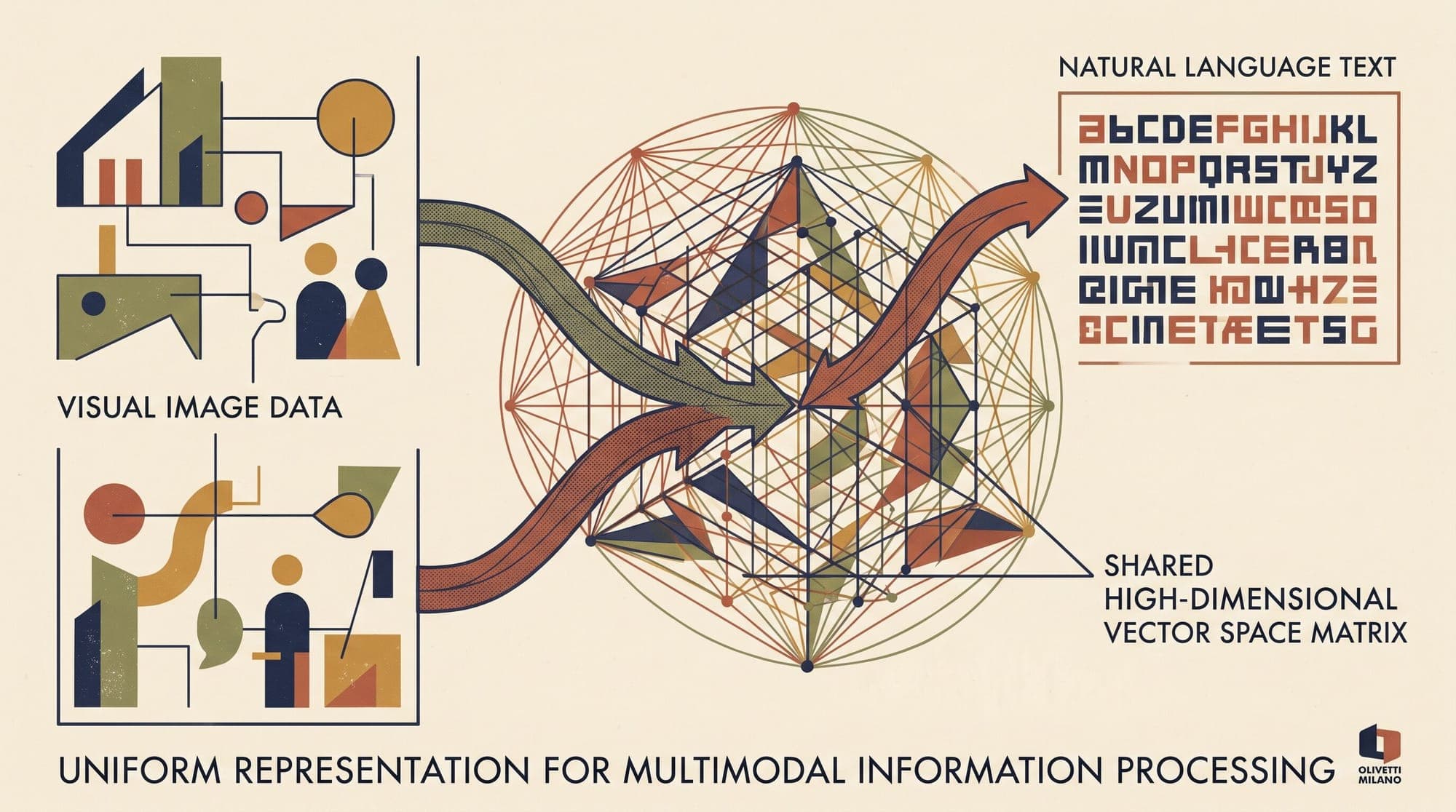
    Before 2021, computer vision models were largely constrained by closed-set supervised classification. Deep convolutional networks like ResNet were trained to predict one of exactly 1,000 discrete categories on ImageNet via a final linear layer and a softmax cross-entropy objective. This setup created rigid models: classifying an unencountered category or adapting to downstream domain shifts required throwing away the classification head, collecting thousands of labeled samples, and retraining or

    1 min
  • Google DeepMind Deploys Backstory to Fact-Checkers for Multi-Agent AI Image Verification

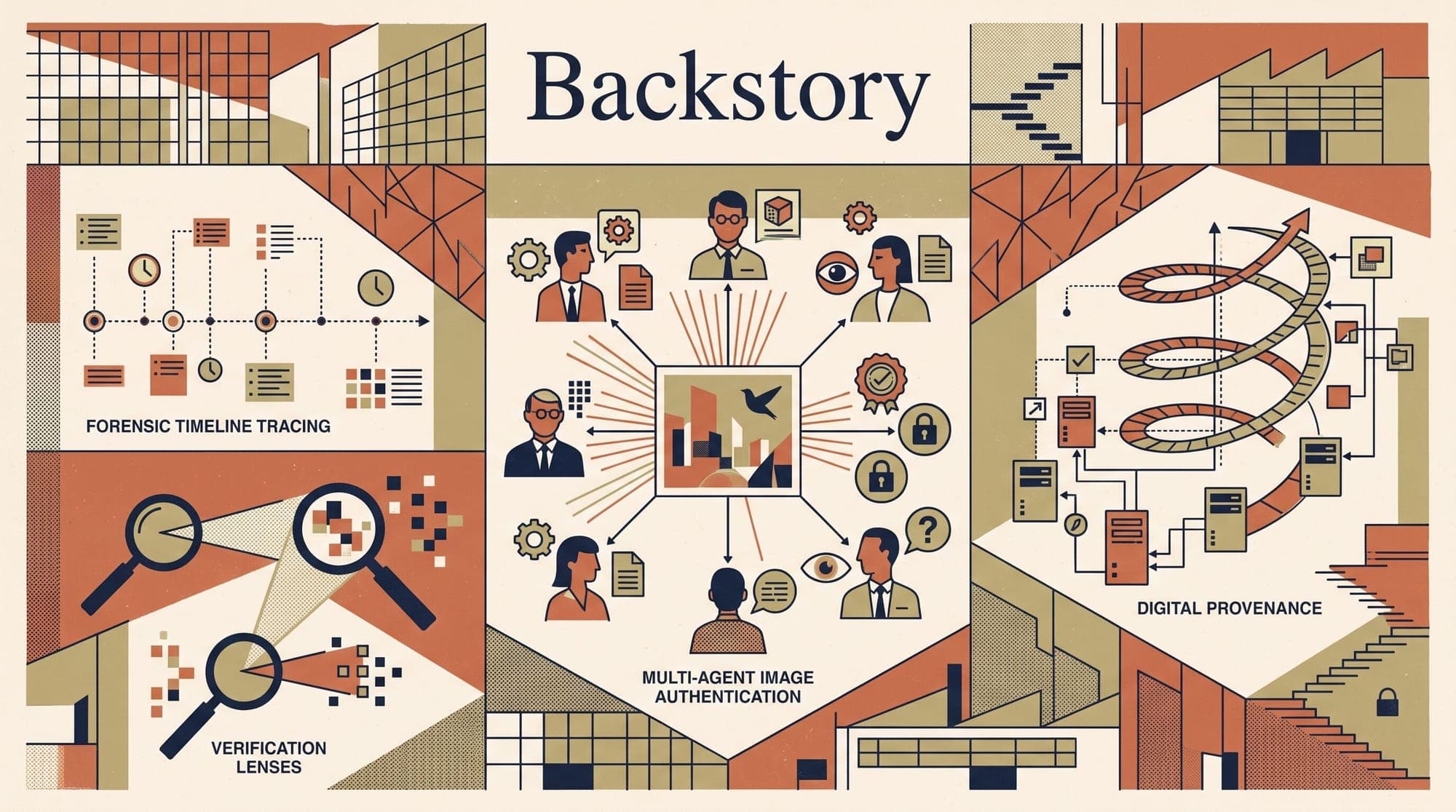
    Google DeepMind has expanded live testing of Backstory, an experimental verification platform designed to investigate the origin, manipulation, and dissemination history of digital images. The system, built on the Gemini model family, is currently deployed across newsrooms, open-source intelligence (OSINT) groups, academic researchers, and fact-checking teams participating in Google's Trusted Testers program. Beyond Binary Synthetic Detection Traditional automated image forensic tools typical

    1 min
  • Leaked Flock Safety Code Exposes OS Investigate AI System for Police Surveillance

    A technical analysis of client-side code exposed on Flock Safety's login portals has revealed OS Investigate, an unannounced artificial intelligence platform designed to track individuals and analyze vehicular travel patterns across police departments nationwide. The findings, first reported by WIRED and verified by independent security researchers, detail an AI-driven investigative system that links automated license plate reader (ALPR) networks with police databases and commercial records. Fl

    1 min
  • Vision-Language Model Architectures: How Vision Encoders, Token Projectors, and Dynamic Resolution Bridge Modalities

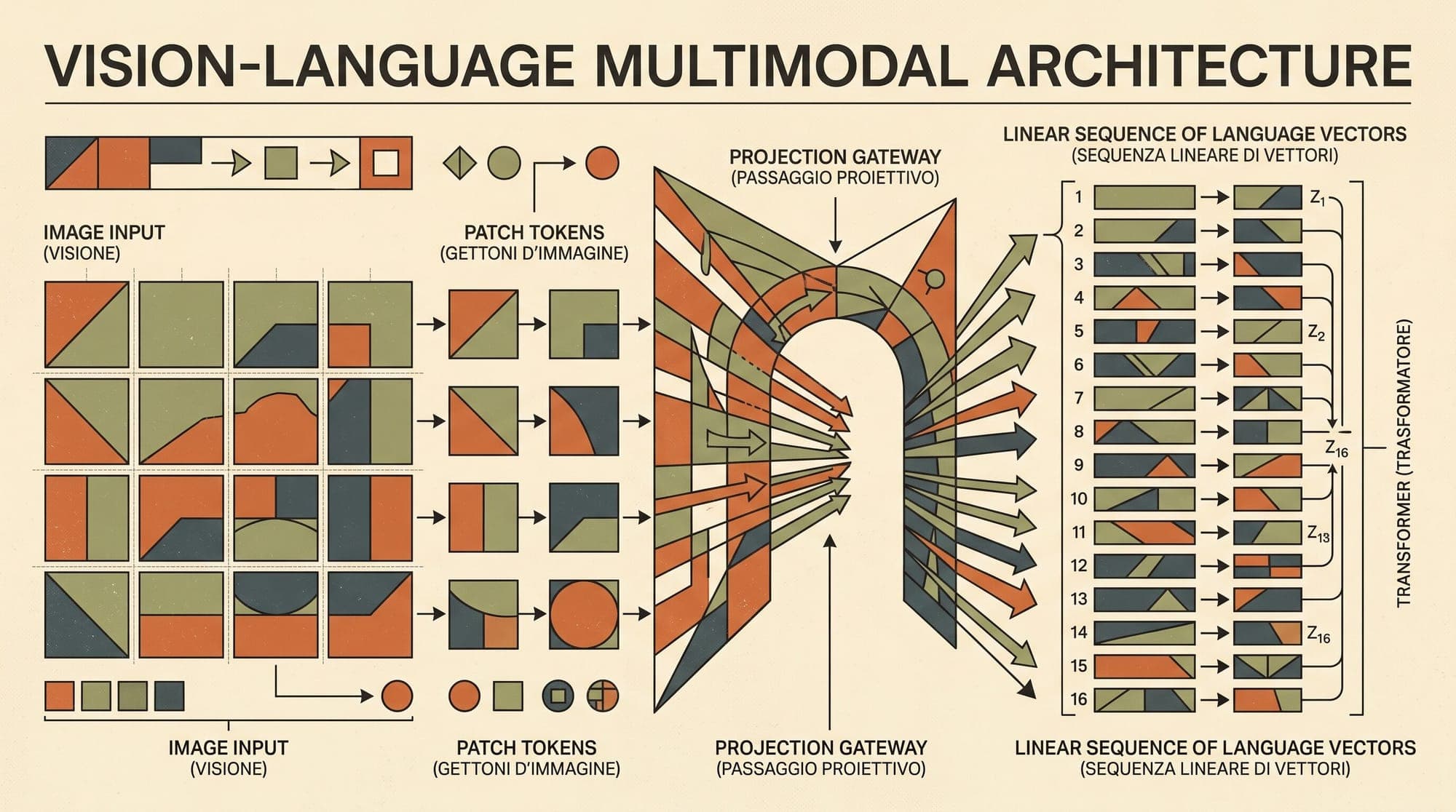
    Modern large language models operate exclusively on discrete sequences of token embeddings. Integrating visual perception into these systems requires converting continuous, two-dimensional spatial arrays into linear sequences of embedding vectors that match the dimensionality and distribution of the language model's hidden states. Vision-language models (VLMs) like LLaVA, Flamingo, Qwen2-VL, and InternVL accomplish this conversion through a three-stage pipeline: a vision encoder, a cross-modal

    1 min