Multimodal7 articles

Multimodal

Articles

  • Stealth Model 'Ox Alpha' Surfaces with 1M Multimodal Context and 100 Trillion Daily Token Allocation

    An anonymous frontier model named "Ox Alpha" has launched across OpenRouter and the OpenCode developer environment, offering free access backed by a reported 100 trillion tokens per day in serving capacity. The model features a 1,048,576-token context window with native multimodal support spanning text, image, and video inputs. The unannounced release follows a pattern of stealth evaluations across AI model aggregators, where frontier labs deploy pre-release checkpoints to collect blind compara

    1 min
  • DeepSeek Unveils Experimental Vision Model Challenging Anthropic's Opus 4.8

    DeepSeek Unveils Experimental Vision Model Challenging Anthropic's Opus 4.8 DeepSeek announced an experimental multimodal version of its V4 Flash model that can analyze visual prompts, claiming near-parity with Anthropic's Opus 4.8 on multimodal agentic benchmarks. The new release, deepseek-v4-flash-vision-exp, extends DeepSeek's flagship text-only V4 Flash model with vision capabilities. The experimental model processes images alongside text, enabling use cases like describing pictures, rea

    1 min
  • DeepSeek Releases DeepSeek-V4-Flash-Vision-Exp with Multimodal Tool Calling and Files API

    DeepSeek has expanded its flagship lightweight model with the release of DeepSeek-V4-Flash-Vision-Exp, an experimental multimodal variant that adds visual comprehension and document parsing to its API platform. The release bridges the gap between DeepSeek's high-throughput text architecture and vision-centric agent workflows. According to DeepSeek, the experimental model retains the text reasoning, agentic tool-use capabilities, and world knowledge of the base DeepSeek-V4-Flash checkpoint while

    1 min
  • Multimodal RAG in Production: Video Chunking, Cross-Modal Embeddings, and Temporal Retrieval Architecture

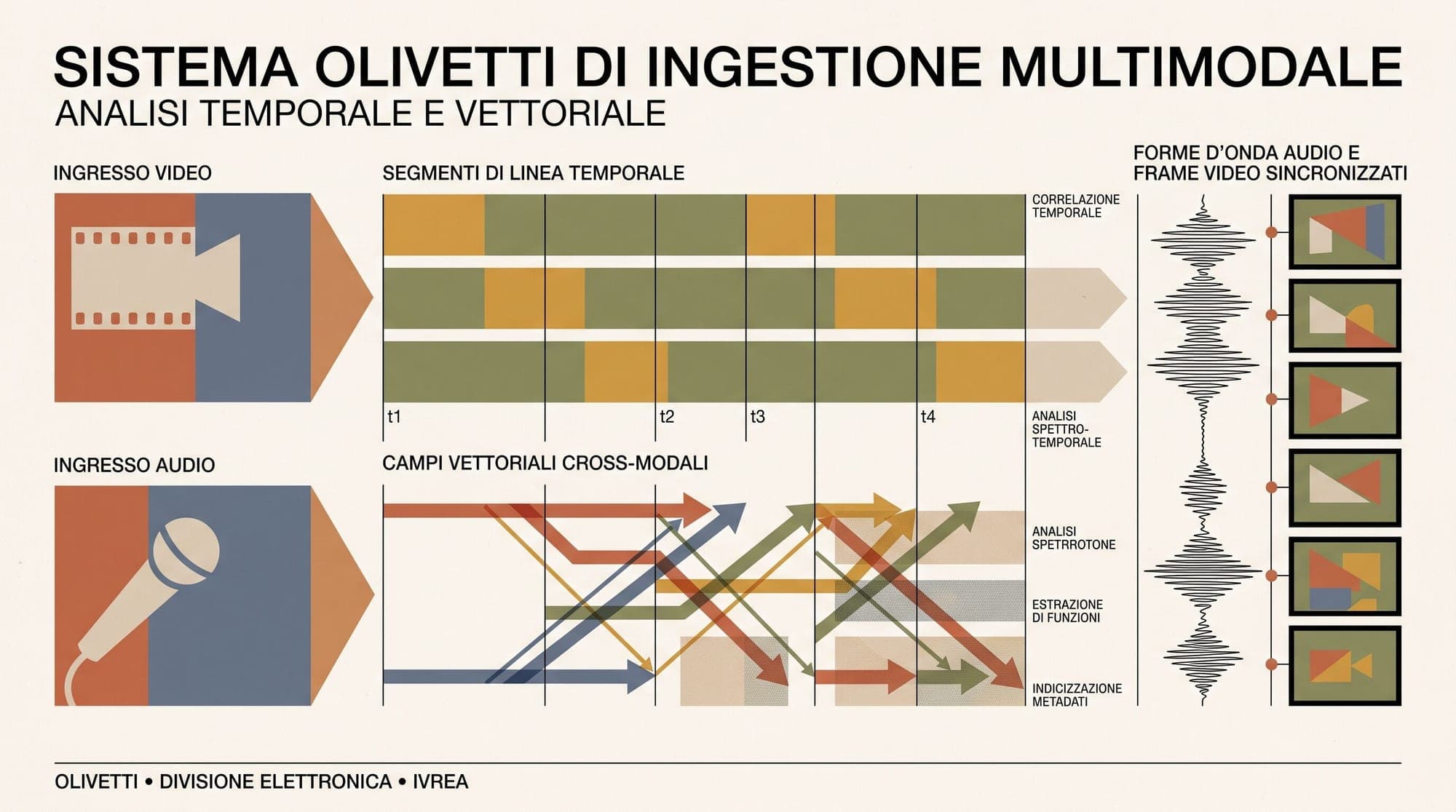
    Multimodal RAG in Production: Video Chunking, Cross-Modal Embeddings, and Temporal Retrieval Architecture Enterprise adoption of large language models is rapidly expanding beyond static text corpora into rich video, audio, and visual archives. Recorded meetings, technical webinars, security camera feeds, product walkthroughs, and surgical recordings hold critical institutional knowledge. However, querying multi-hour video and audio streams presents severe architectural challenges. While modern

    1 min
  • Adobe Firefly Expands Generative Audio Tools and Integrates Gemini Omni Flash

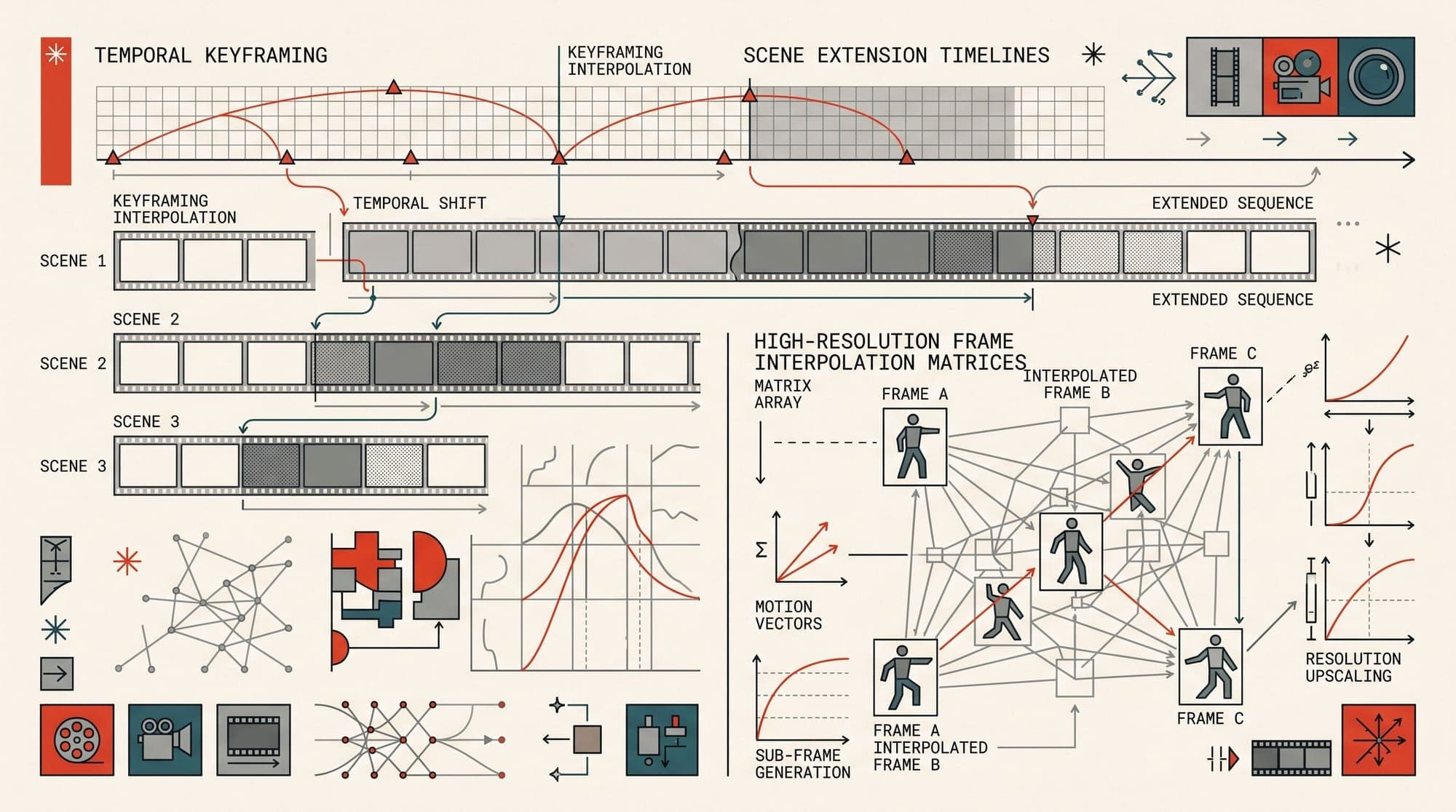
    Adobe has broadened its generative production suite with the general availability of three dedicated AI audio generation modules in Adobe Firefly, alongside the integration of Google's multimodal Gemini Omni Flash model. The audio capabilities expand Firefly from static imagery and video synthesis into integrated soundtrack design, voice synthesis, and scene audio generation, fully cleared for commercial workflows. Generative Audio Modules and Commercial Licensing The expanded audio suite in

    1 min
  • Contrastive Language-Image Pre-Training (CLIP): How Joint Multi-Modal Embeddings Bridge Vision and Language

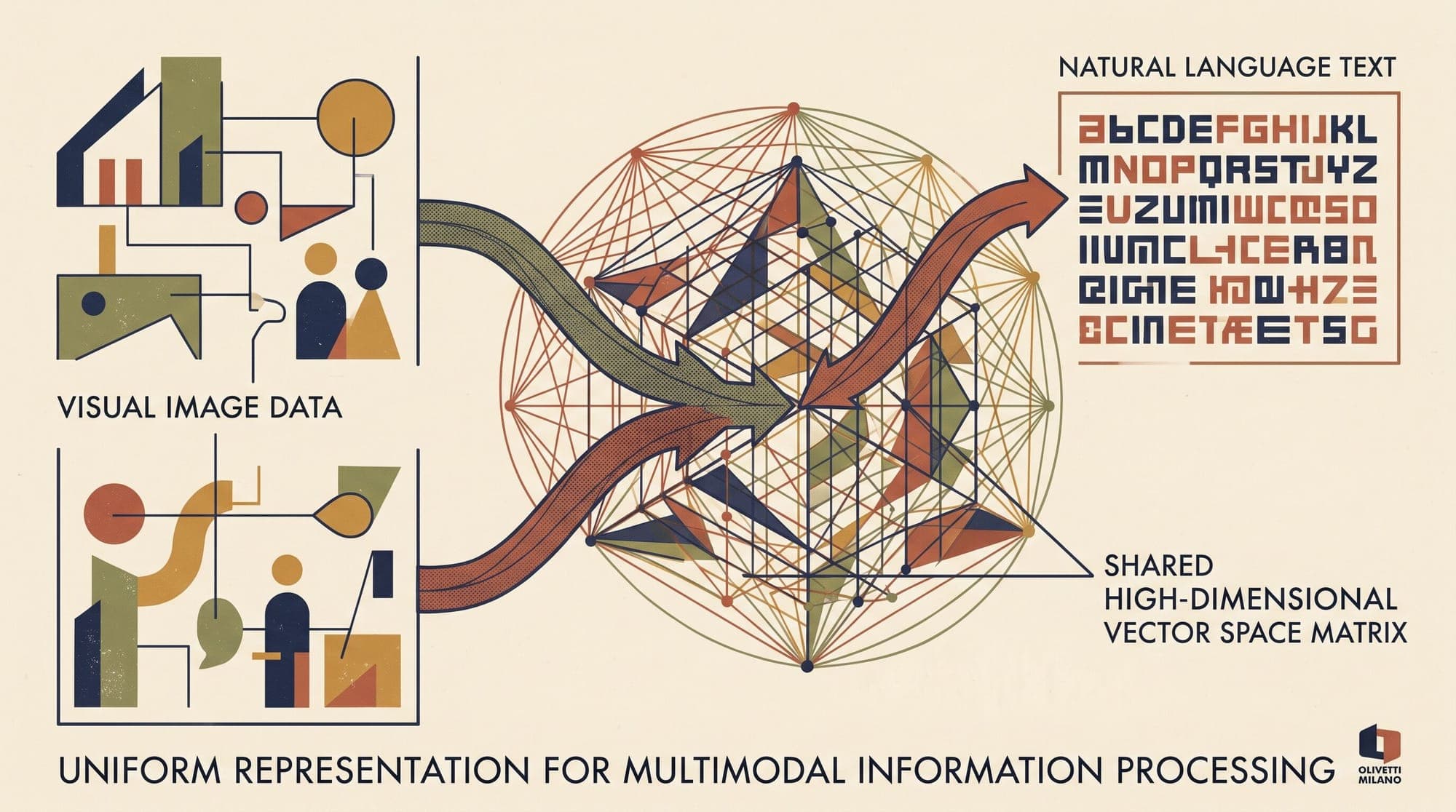
    Before 2021, computer vision models were largely constrained by closed-set supervised classification. Deep convolutional networks like ResNet were trained to predict one of exactly 1,000 discrete categories on ImageNet via a final linear layer and a softmax cross-entropy objective. This setup created rigid models: classifying an unencountered category or adapting to downstream domain shifts required throwing away the classification head, collecting thousands of labeled samples, and retraining or

    1 min
  • Vision-Language Model Architectures: How Vision Encoders, Token Projectors, and Dynamic Resolution Bridge Modalities

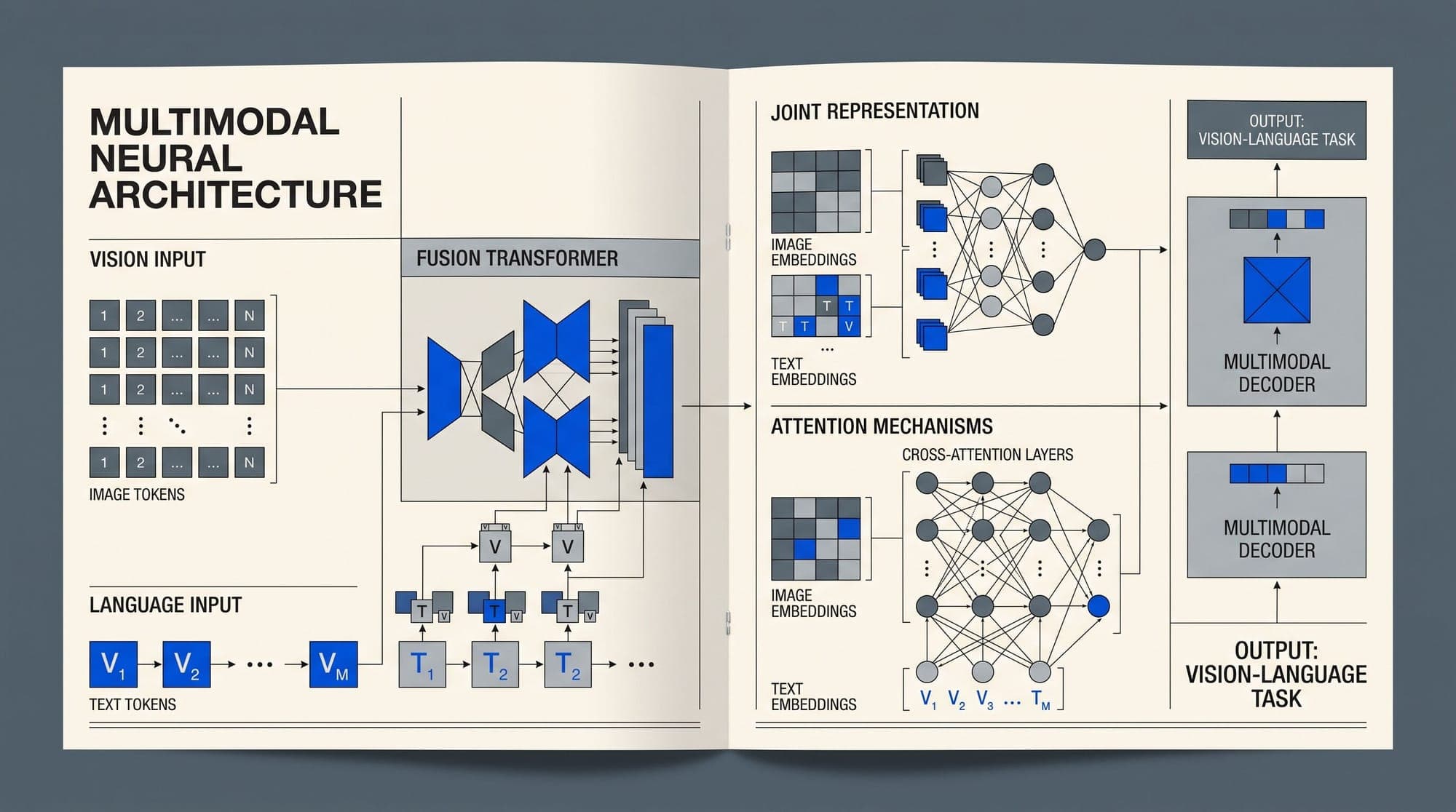
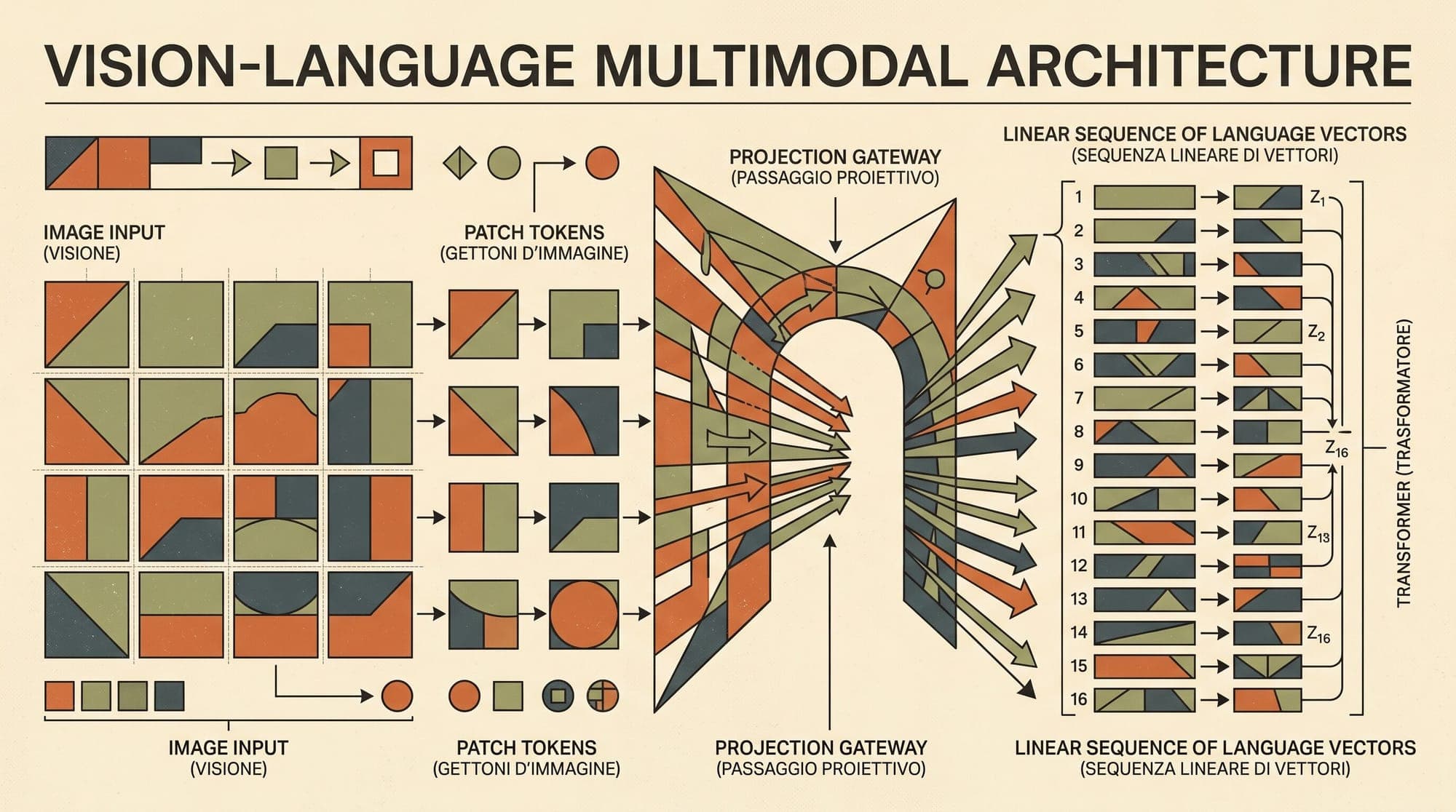
    Modern large language models operate exclusively on discrete sequences of token embeddings. Integrating visual perception into these systems requires converting continuous, two-dimensional spatial arrays into linear sequences of embedding vectors that match the dimensionality and distribution of the language model's hidden states. Vision-language models (VLMs) like LLaVA, Flamingo, Qwen2-VL, and InternVL accomplish this conversion through a three-stage pipeline: a vision encoder, a cross-modal

    1 min