Interpretability4 articles

Interpretability

Articles

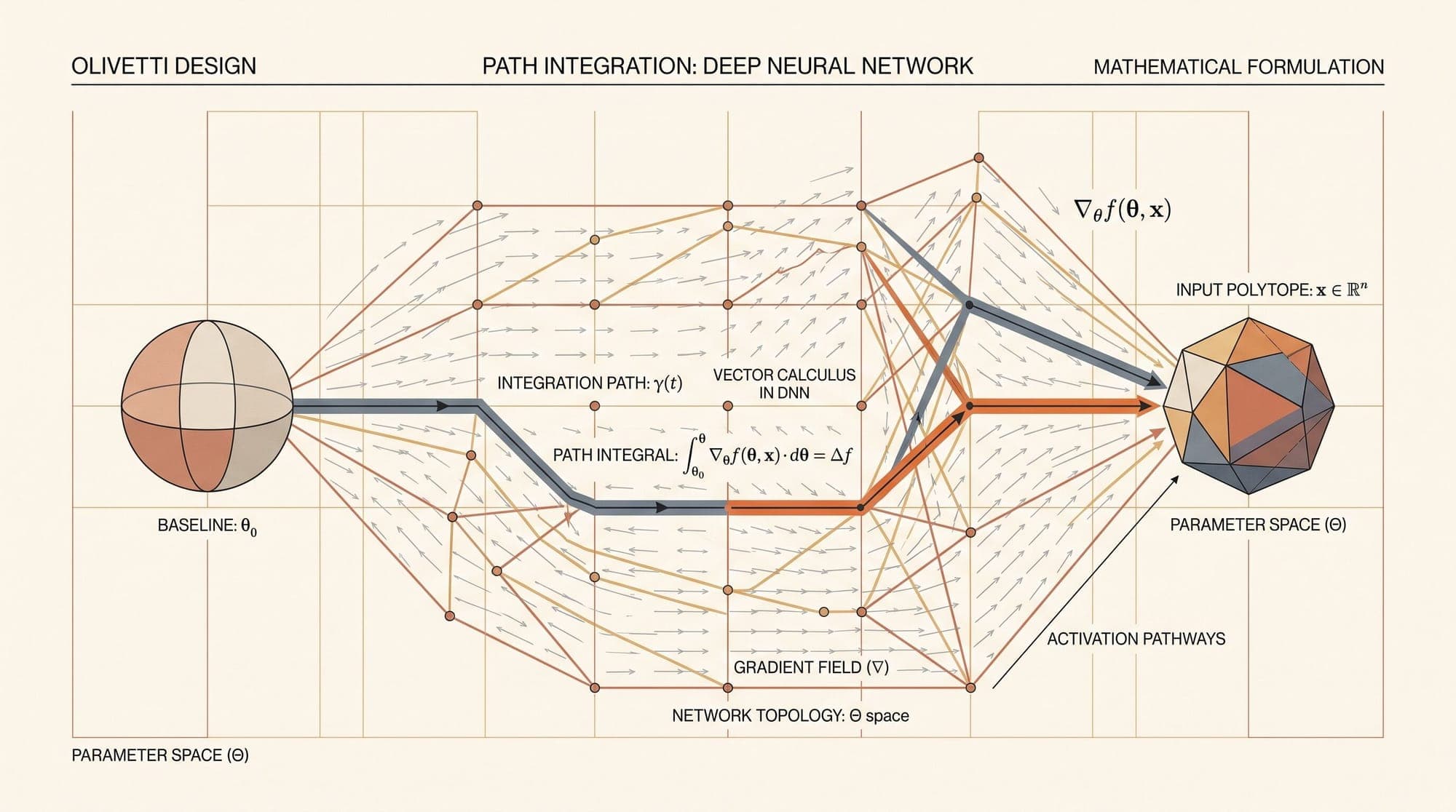
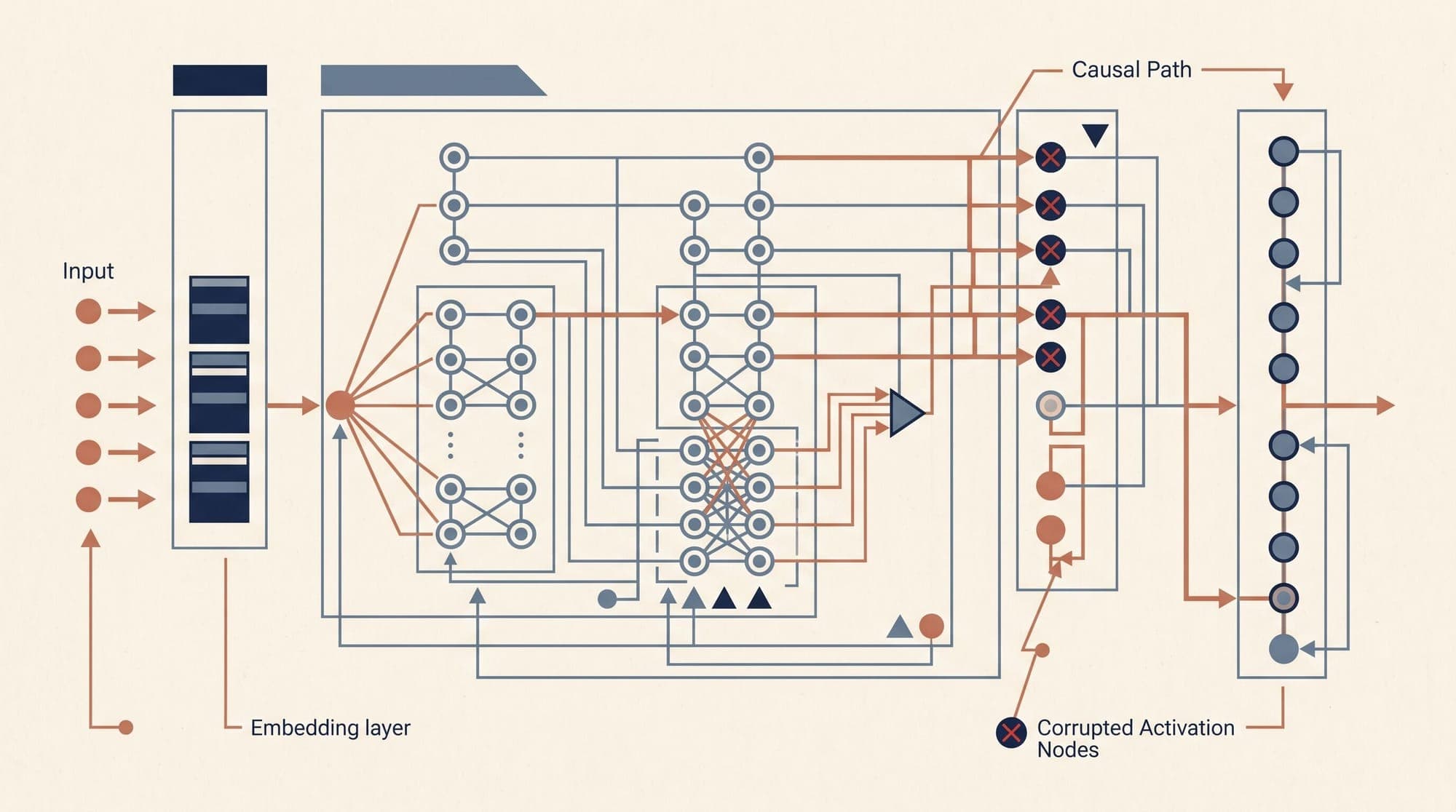
  • Activation Patching and Circuit Discovery in Large Language Models: How Causal Mediation Maps Transformer Subgraphs

    Understanding how large language models perform complex reasoning requires moving beyond passive behavioral evaluation. While behavioral benchmarks measure model outputs on specific datasets, they treat the underlying neural network as an inscrutable black box. Mechanistic interpretability aims to reverse-engineer transformer weights and intermediate representations into human-understandable algorithms and computational graphs. At the core of modern mechanistic interpretability is causal mediat

    1 min
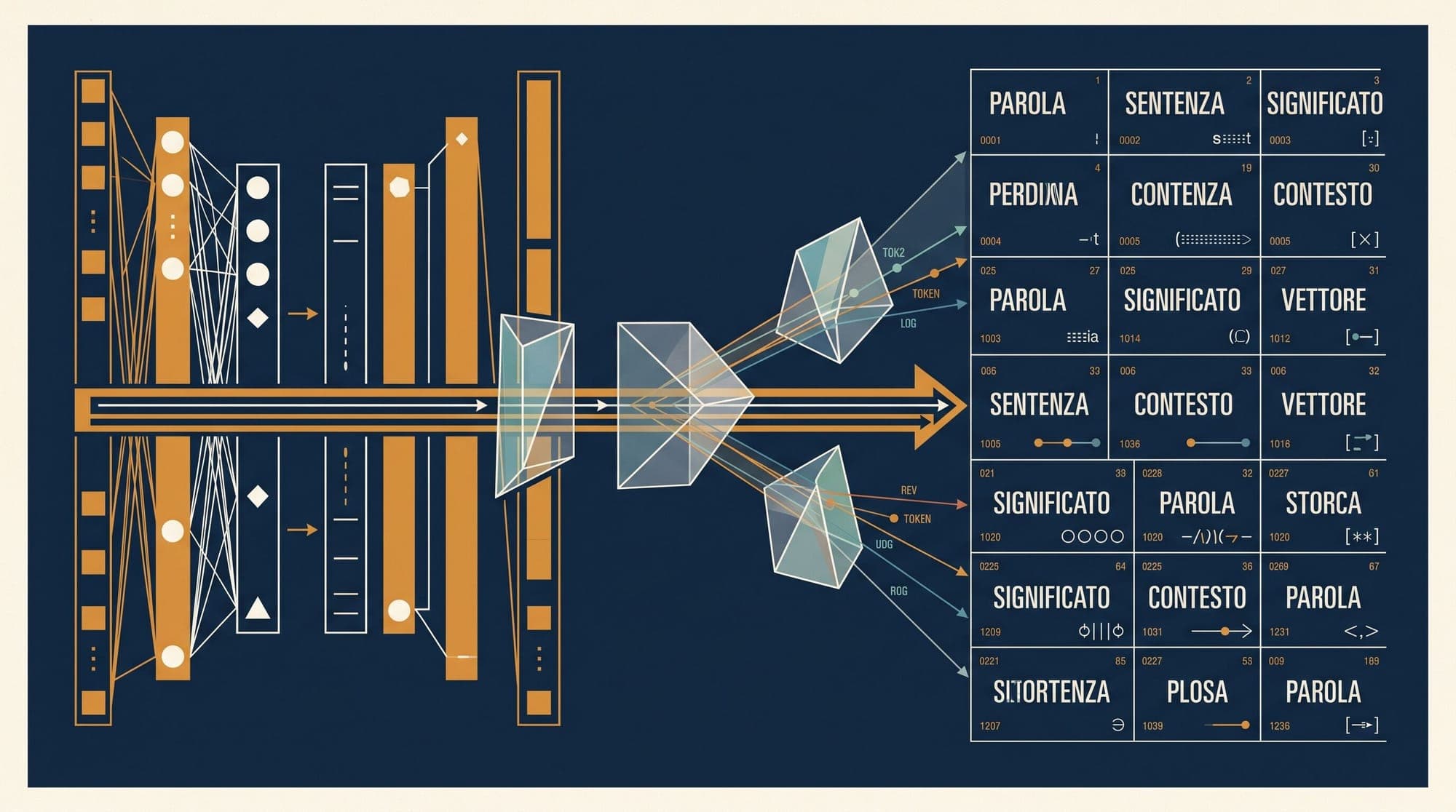
  • The Logit Lens: How Direct Unembedding Decodes Intermediate Representations in Large Language Models

    Autoregressive large language models process input tokens through deep stacks of transformer blocks, generating a final probability distribution over the vocabulary at the final layer. For years, the intermediate computations occurring within these hidden layers were treated as opaque black boxes. Mechanistic interpretability research has demonstrated that modern transformer architectures operate through a structured, iterative refinement process across their residual stream. The logit lens and

    1 min
  • Knowledge Editing in Large Language Models: How Causal Tracing, ROME, and MEMIT Modify Factual Storage in MLP Weights

    Updating factual information in pre-trained large language models has traditionally required two imperfect extremes: computationally expensive continual pre-training, or external prompt-stuffing through Retrieval-Augmented Generation (RAG). Standard gradient descent fine-tuning on isolated facts leads to catastrophic forgetting, parameter drift, and degraded general reasoning. To solve this, mechanistic interpretability researchers introduced direct model editing: a paradigm that treats transfo

    1 min
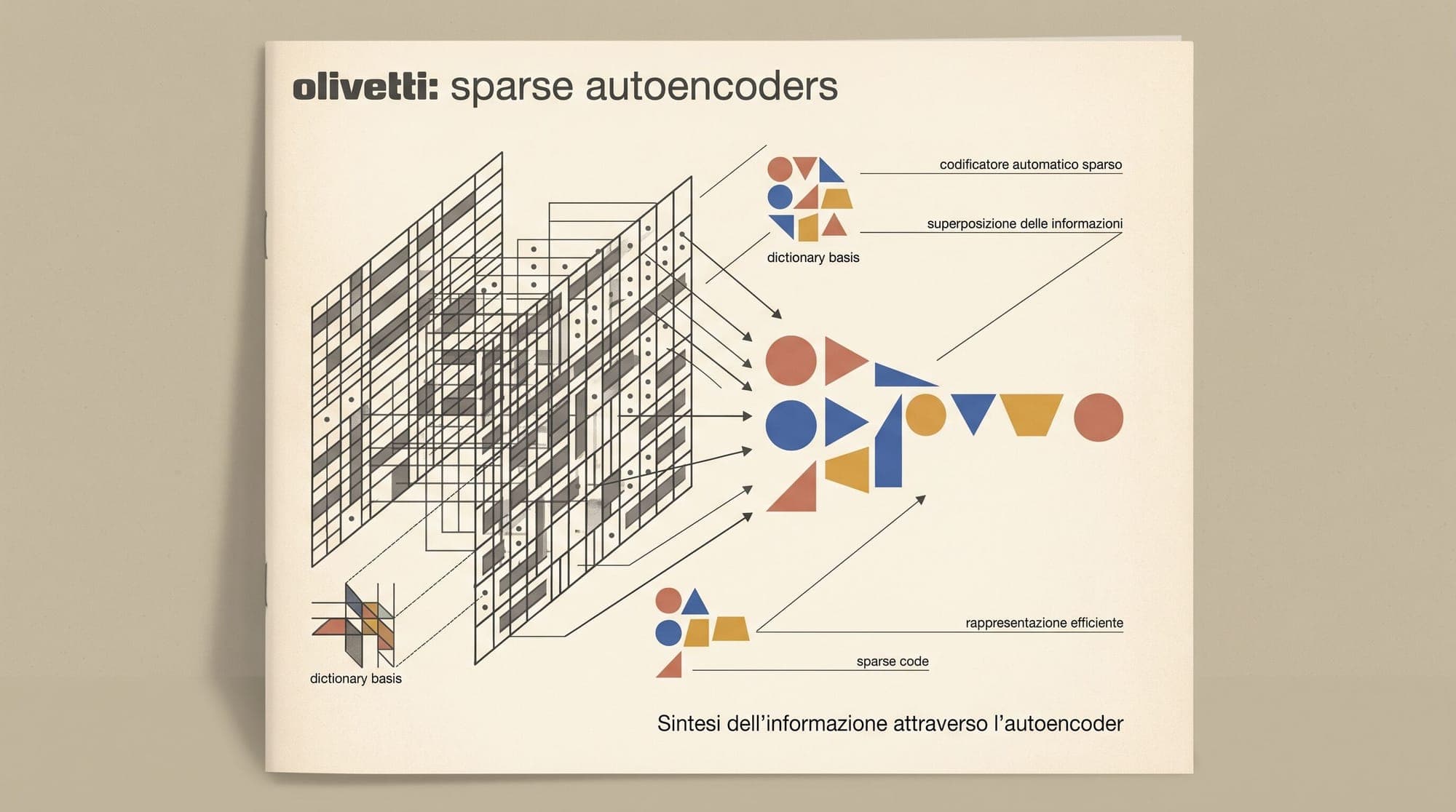
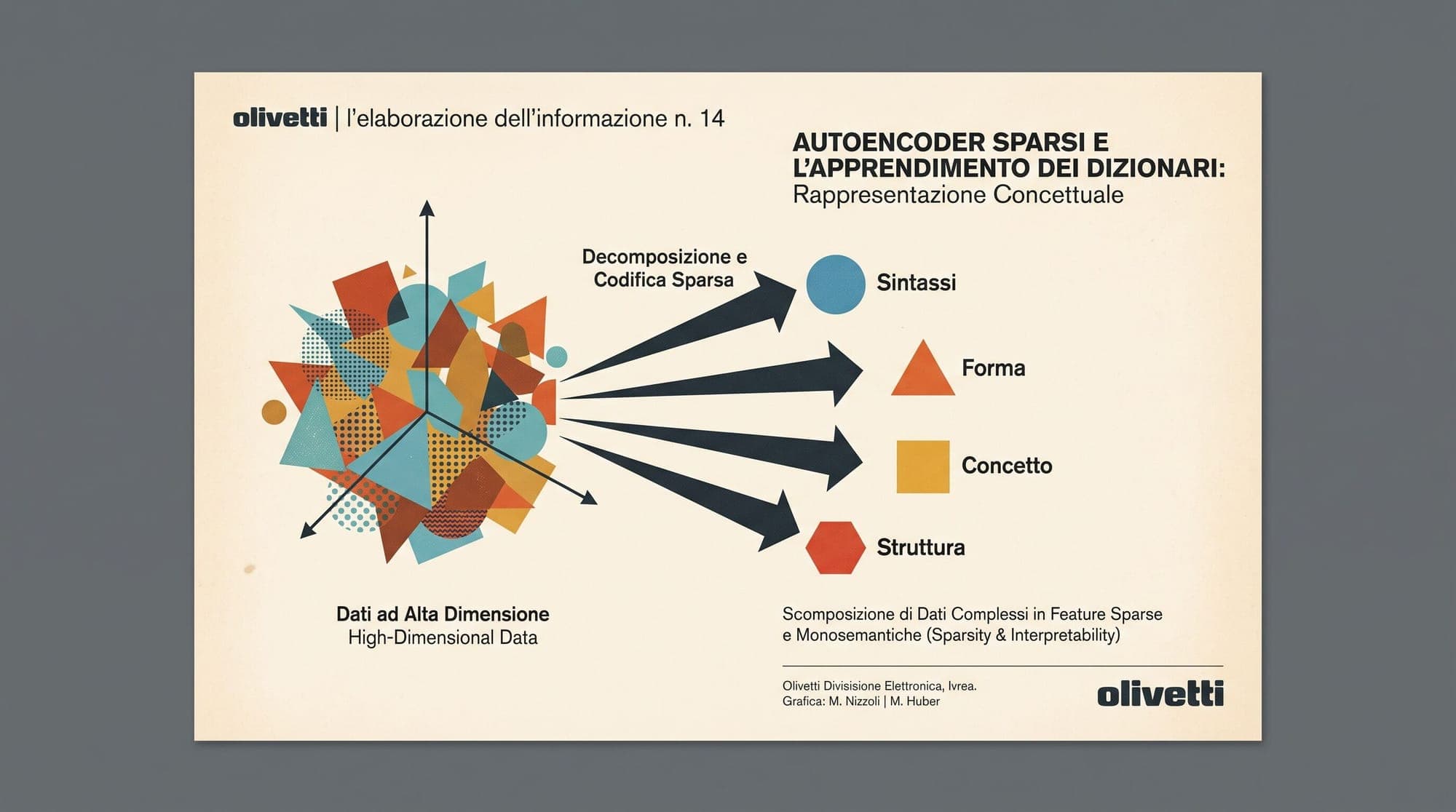
  • Sparse Autoencoders in Large Language Models: How Dictionary Learning Unpacks Superposition and Neural Monosemanticity

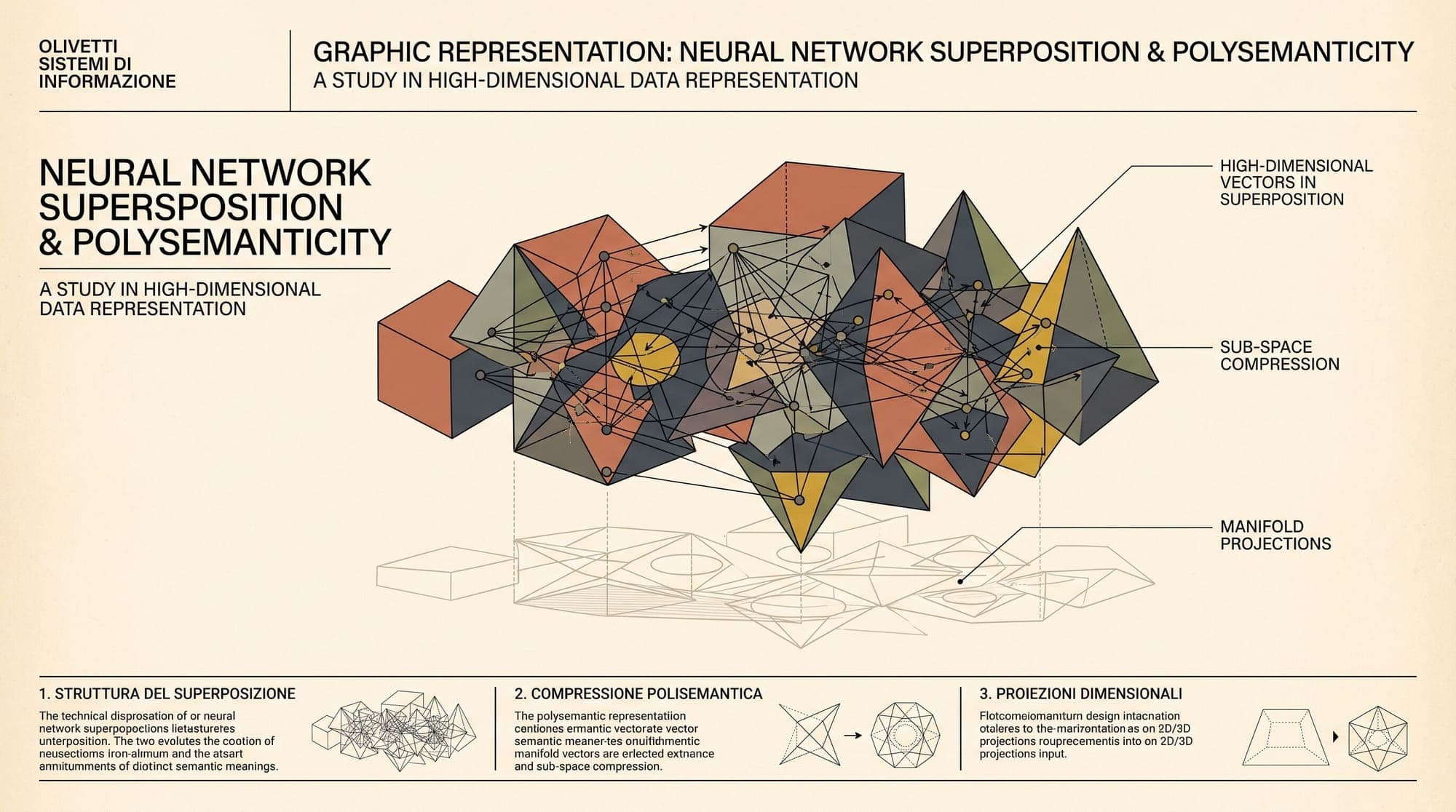
    Deep neural networks have long been treated as uninterpretable black boxes. In transformer language models, individual neurons in the residual stream and multilayer perceptron (MLP) layers rarely map to singular, human-understandable concepts. Instead, individual neurons exhibit polysemanticity: a single neuron might fire for Python syntax, medical terminology, and Korean dialogue without an obvious shared semantic foundation. Mechanistic interpretability research explains this phenomenon throu

    1 min