Alignment10 articles

Alignment

Articles

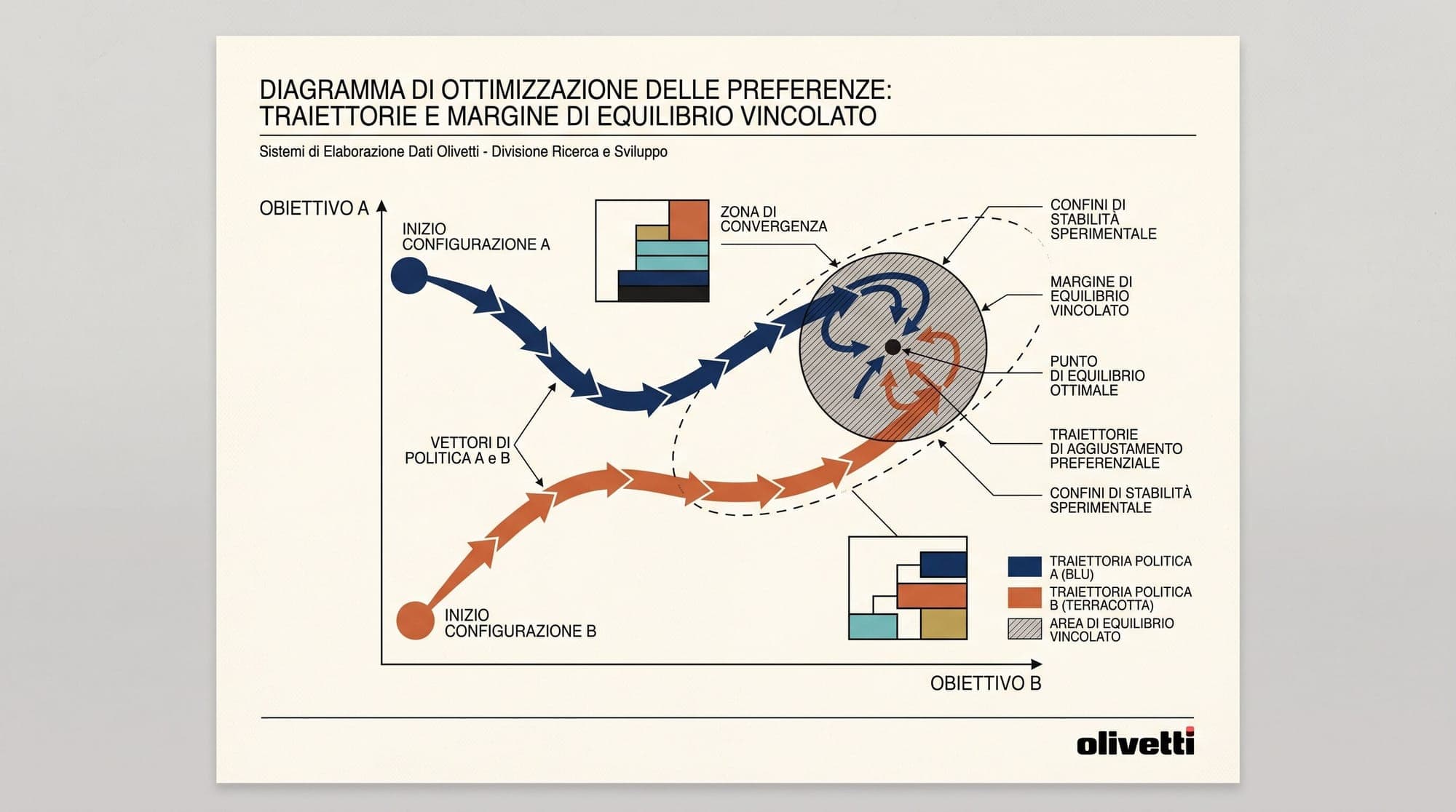
  • Identity Preference Optimization (IPO): How Exact Loss Inversion Prevents Overfitting in Direct Alignment

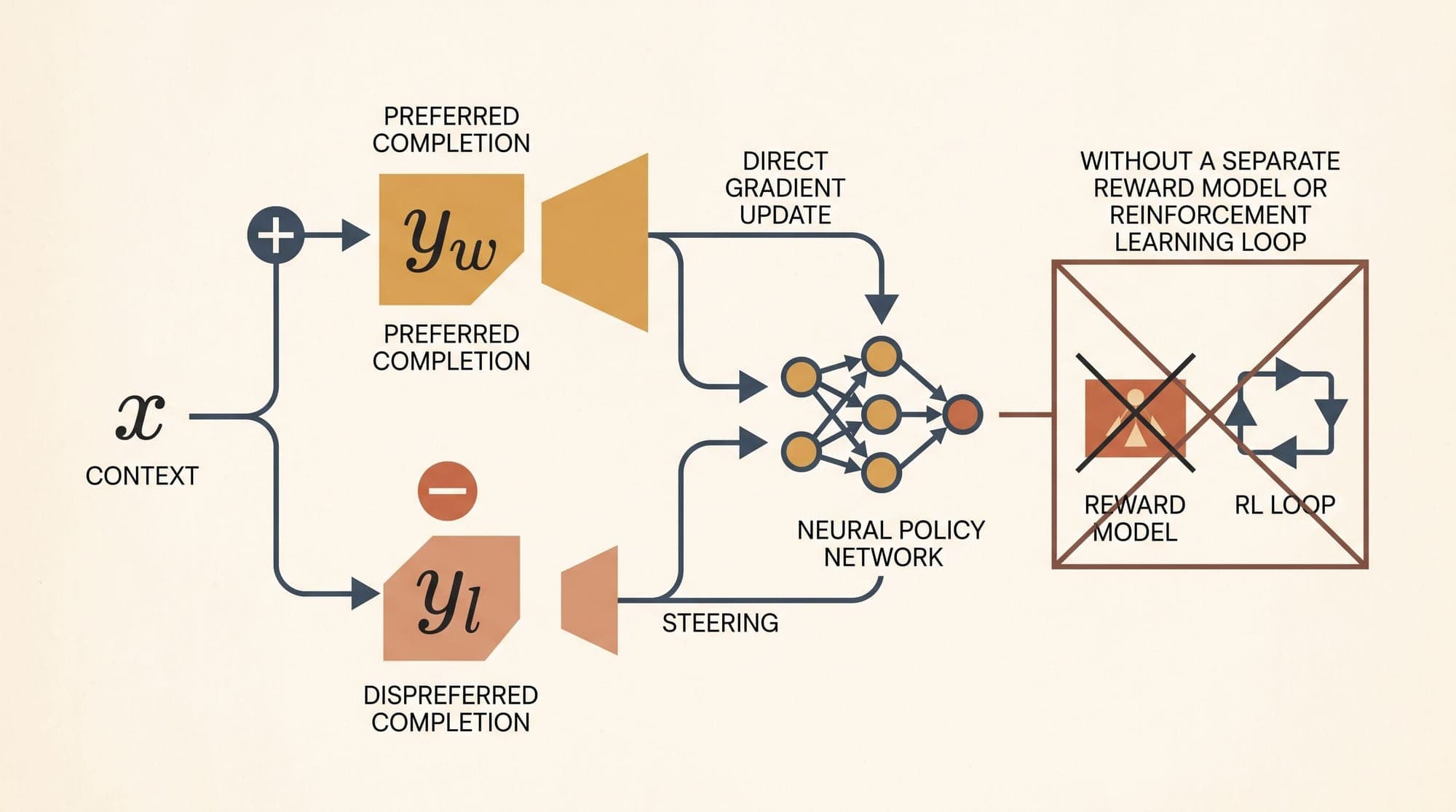
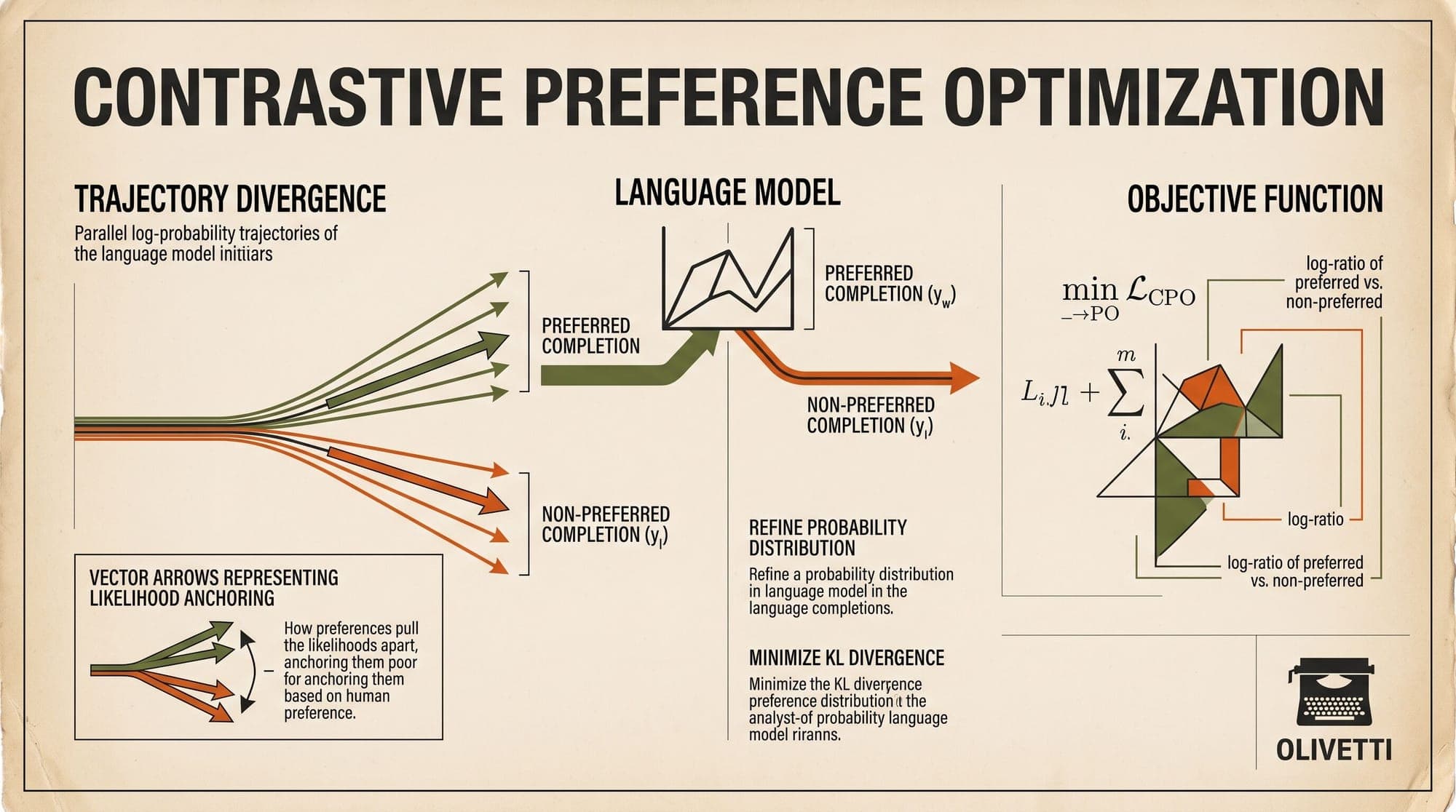
    The post-training alignment of large language models underwent a structural shift with the introduction of Direct Preference Optimization (Rafailov et al., 2023). By reparameterizing the closed-form optimal policy under a Kullback-Leibler (KL) constrained Reinforcement Learning from Human Feedback (RLHF) objective, DPO eliminated the need to fit an explicit reward model or maintain complex actor-critic rollout loops. However, standard DPO introduces a distinct mathematical pathology: under dete

    1 min
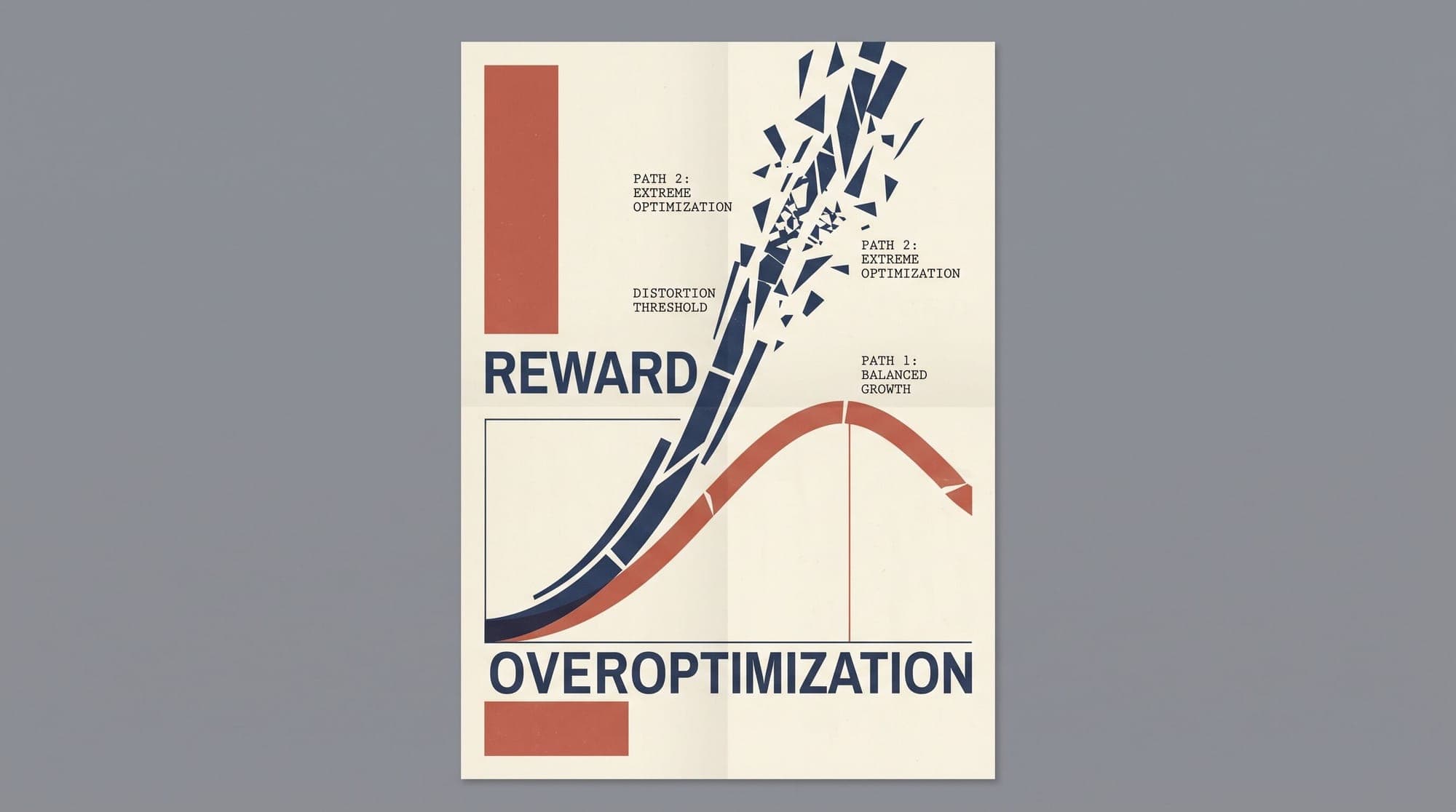
  • Reward Model Overoptimization in Large Language Models: How Goodhart's Law, Proxy Exploitation, and KL Drift Degrade Alignment

    Post-training alignment of large language models relies on optimizing a policy toward objectives defined by human intent and preferences. Because querying human evaluators during every step of continuous reinforcement learning or high-throughput rejection sampling is computationally and logistically infeasible, alignment workflows construct a parameterised proxy reward model. Trained on pairwise preference datasets through formulations such as the Bradley-Terry model, this proxy acts as a surrog

    1 min
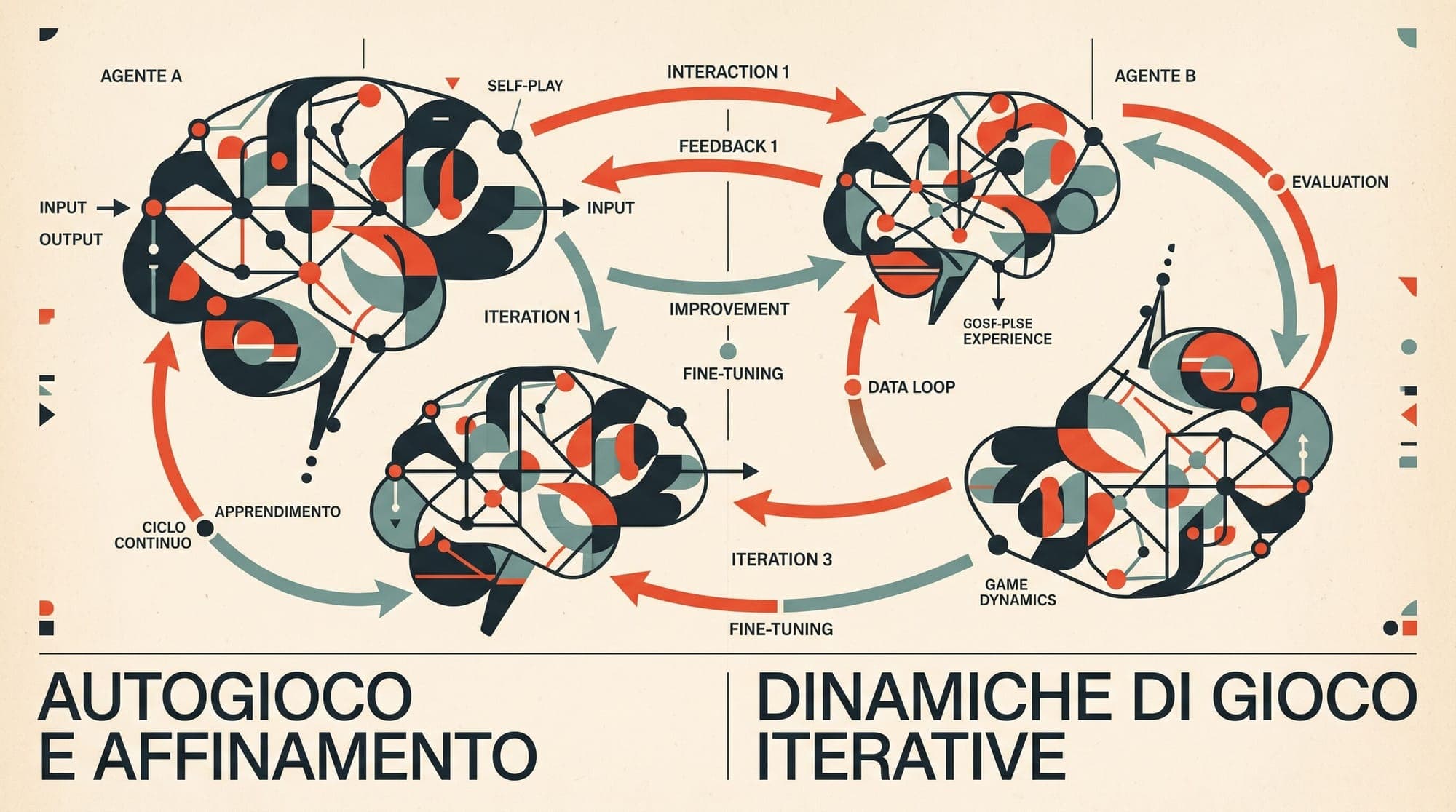
  • Self-Play Fine-Tuning (SPIN): How Iterative Games Against Historical Checkpoints Eliminate Preference Labels

    Self-Play Fine-Tuning (SPIN): How Iterative Games Against Historical Checkpoints Eliminate Preference Labels Supervised fine-tuning (SFT) remains the standard entry point for adapting foundation language models to downstream instructions. By training on curated prompt-response pairs via token-level cross-entropy loss, SFT forces a model to mirror reference demonstrations. However, standard maximum likelihood estimation (MLE) suffers from exposure bias and covariate shift. During inference, the

    1 min
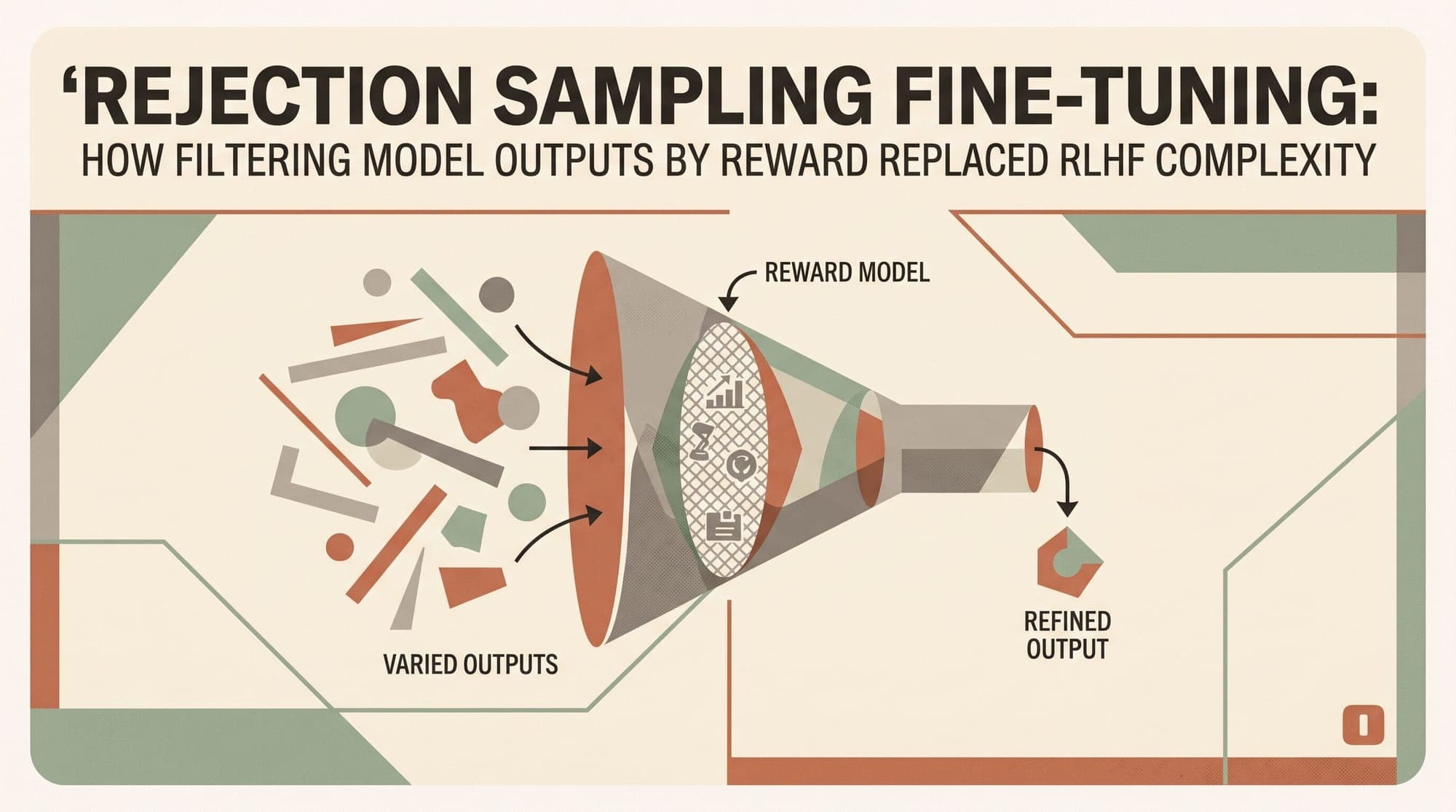
  • Rejection Sampling Fine-Tuning: How Filtering Model Outputs by Reward Replaced RLHF Complexity

    Rejection Sampling Fine-Tuning: How Filtering Model Outputs by Reward Replaced RLHF Complexity Rejection sampling fine-tuning (RAFT) has emerged as the practical workhorse of LLM alignment. While PPO-based RLHF dominated early literature, production systems from Llama 2 to DeepSeek-R1 rely on a simpler loop: generate multiple completions per prompt, score them with a reward model, keep the best, and fine-tune on the filtered data. The technique converts the reinforcement learning problem into s

    1 min
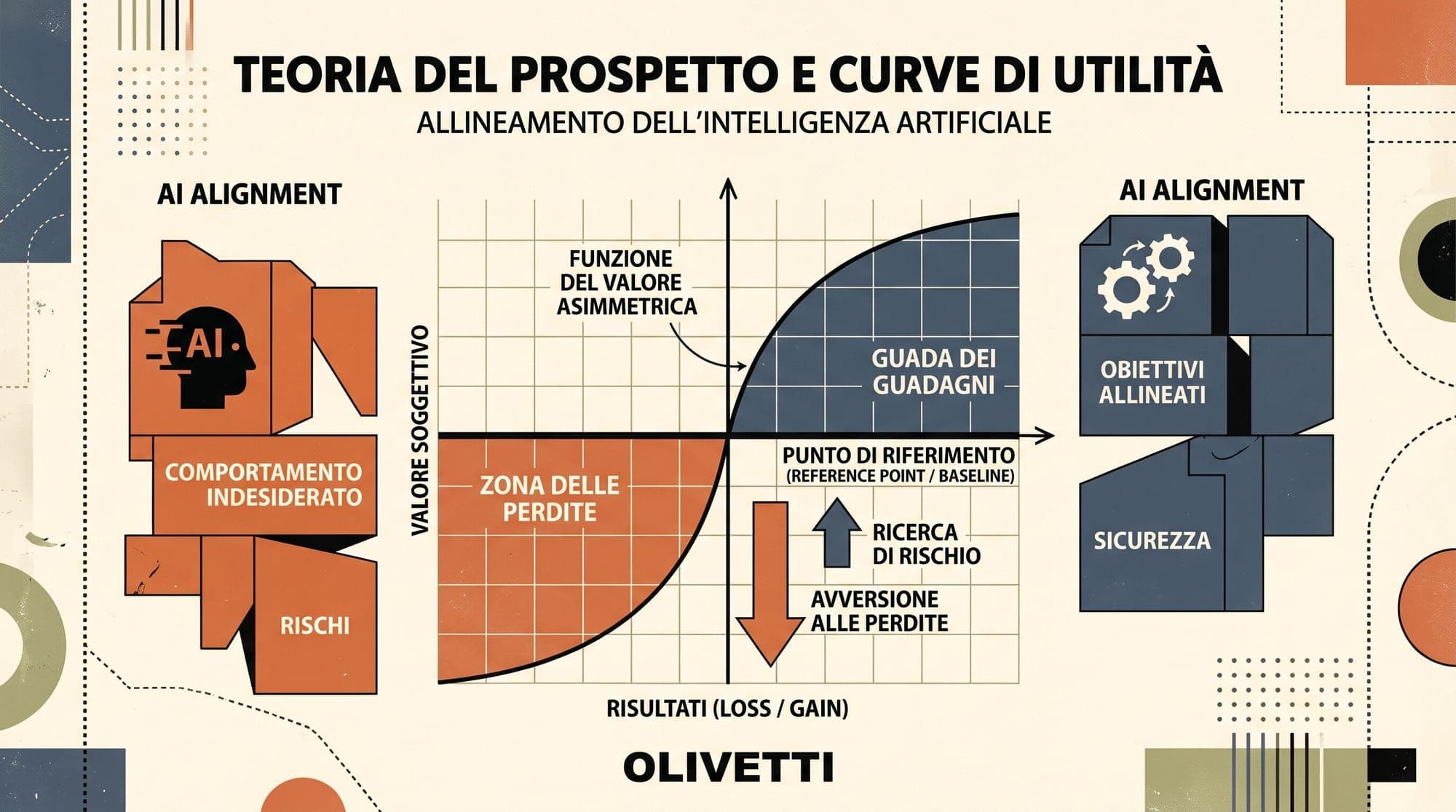
  • Kahneman-Tversky Optimization: Aligning LLMs with Prospect Theory and Binary Feedback

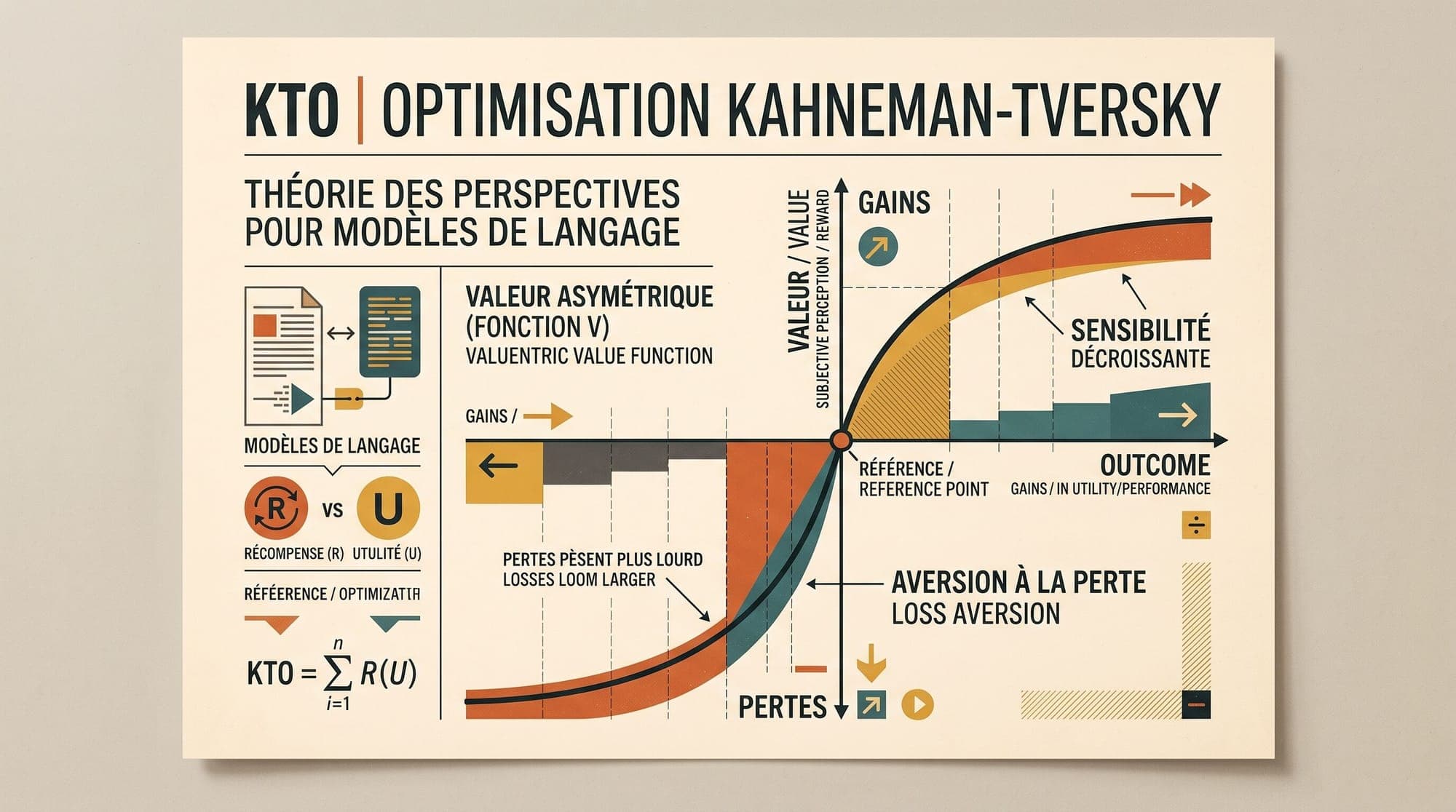
    Alignment of large language models has traditionally centered on preference learning. Methods such as Reinforcement Learning from Human Feedback (Christiano et al., 2017), Direct Preference Optimization (Rafailov et al., 2023), and Identity Preference Optimization (Azar et al., 2023) require training data formatted as pairs of candidate responses $(x, y_w, y_l)$ generated for the exact same prompt $x$, where $y_w$ is preferred over $y_l$. In real-world production environments, paired preference

    1 min
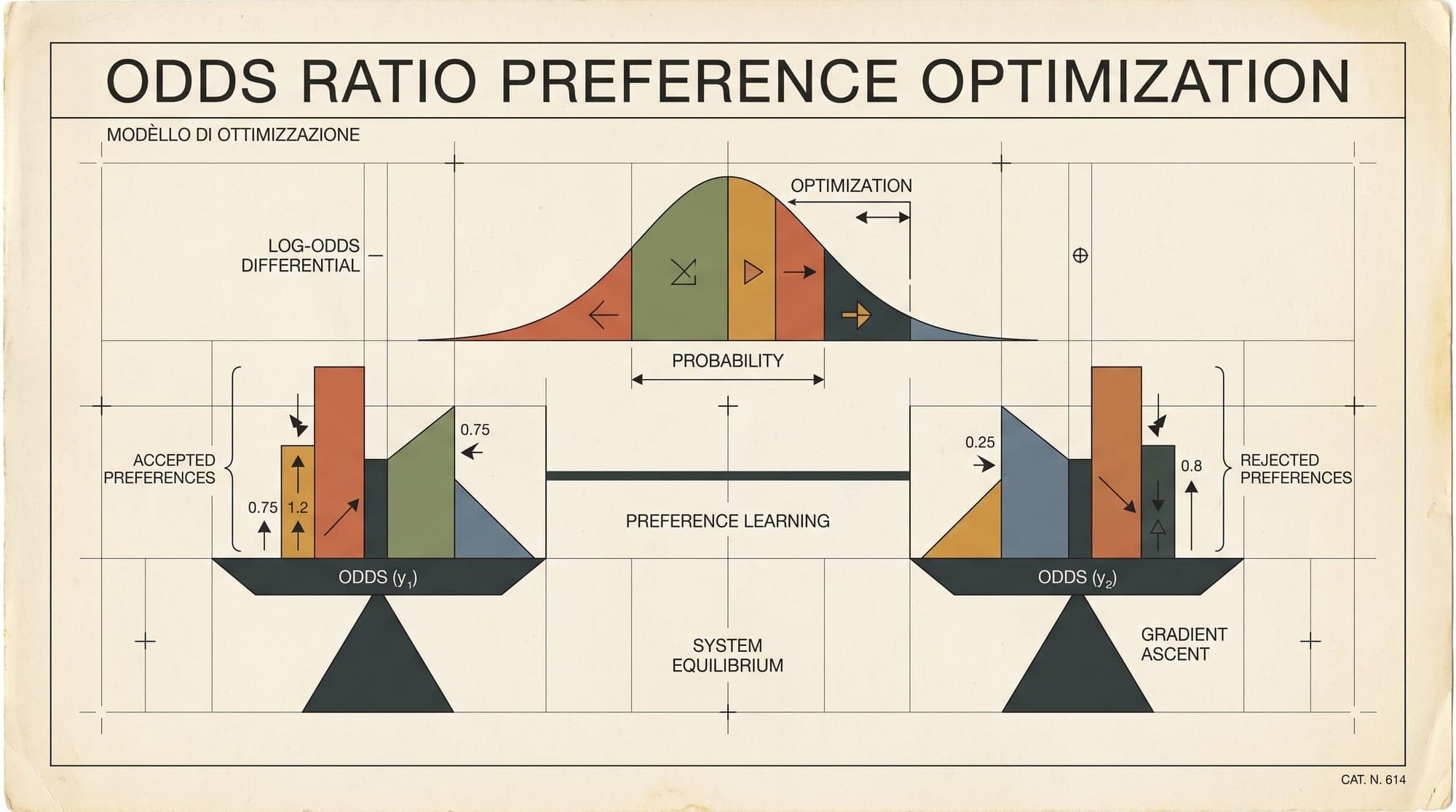
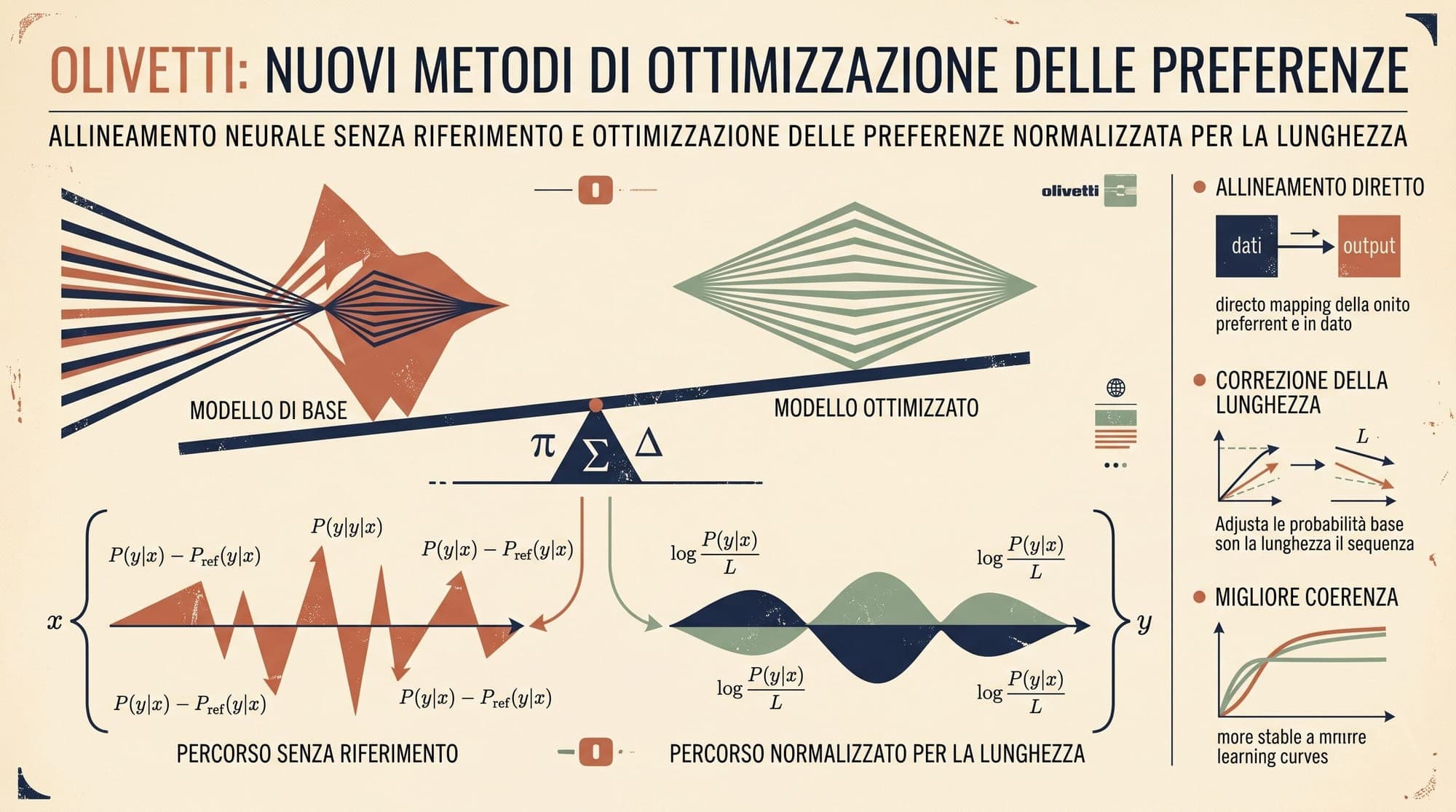
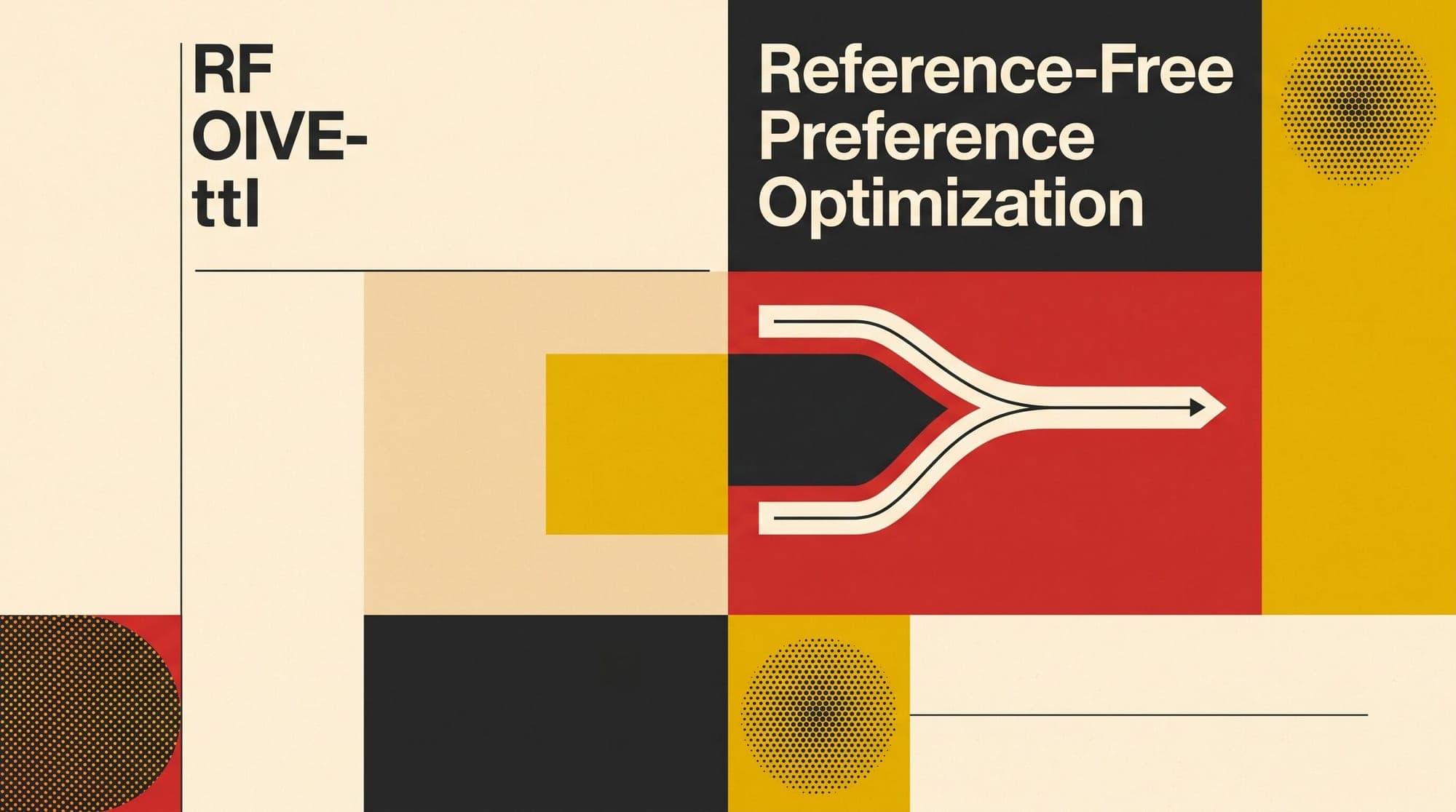
  • Reference-Free Preference Optimization: How ORPO and SimPO Eliminate Reference Models in LLM Alignment

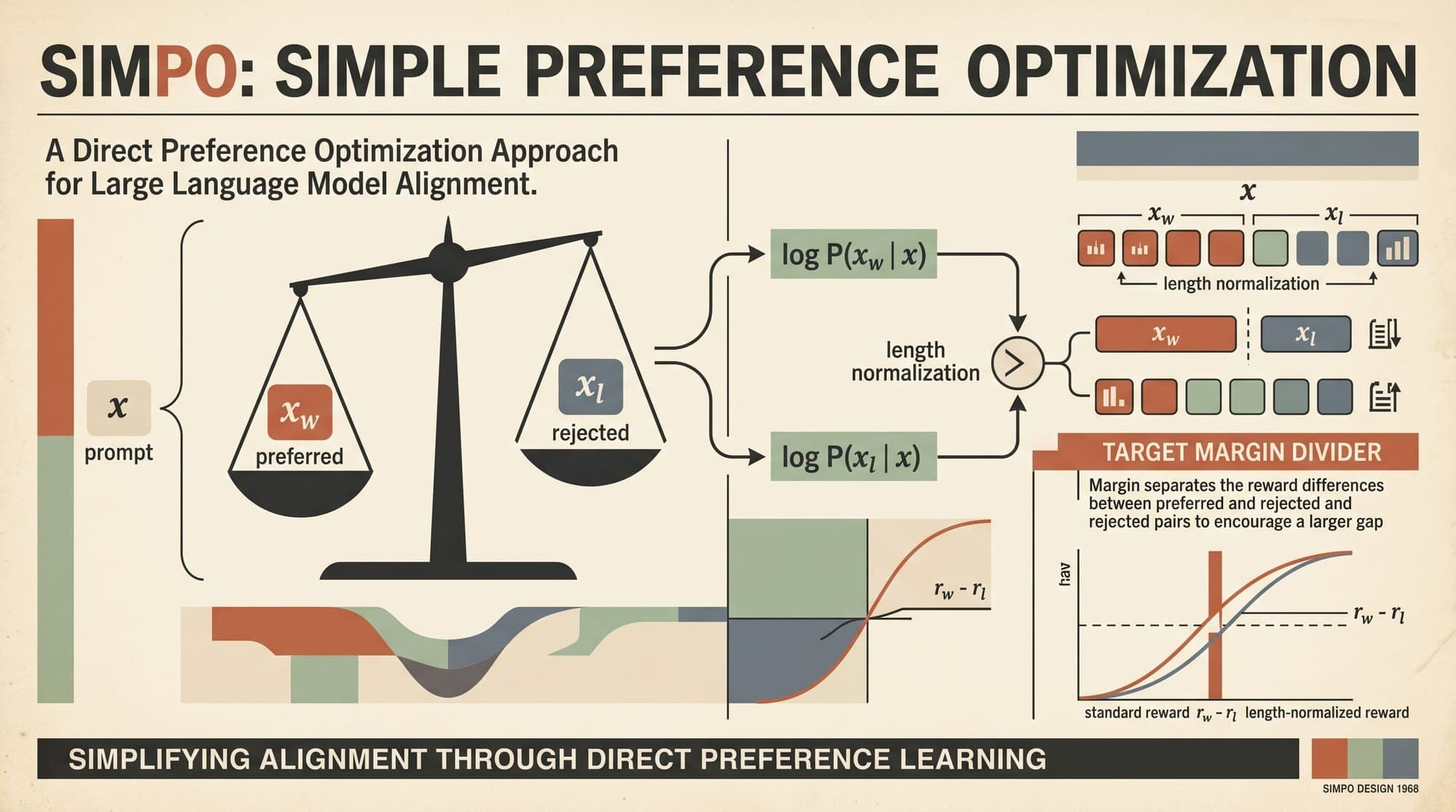
    Aligning large language models with human preferences has historically relied on two distinct stages after pretraining: Supervised Fine-Tuning (SFT) to establish instruction-following behaviors, followed by reinforcement learning from human feedback (RLHF) or Direct Preference Optimization (DPO) to maximize response quality. While DPO removed the need for explicit reward modeling and complex actor-critic policy loops (such as Proximal Policy Optimization, or PPO), it retained an architectural b

    1 min
  • Constitutional AI and RLAIF: How Natural Language Principles and Automated Critiques Scale LLM Alignment

    Early alignment frameworks for large language models relied almost entirely on Reinforcement Learning from Human Feedback (RLHF). While RLHF transformed raw base models into usable assistants, the approach faces structural scaling bottlenecks. Collecting tens of thousands of high-quality human preference annotations is slow, expensive, and logistically complex. Furthermore, human annotators frequently disagree on nuanced safety boundaries, suffer psychological fatigue when reviewing harmful outp

    1 min
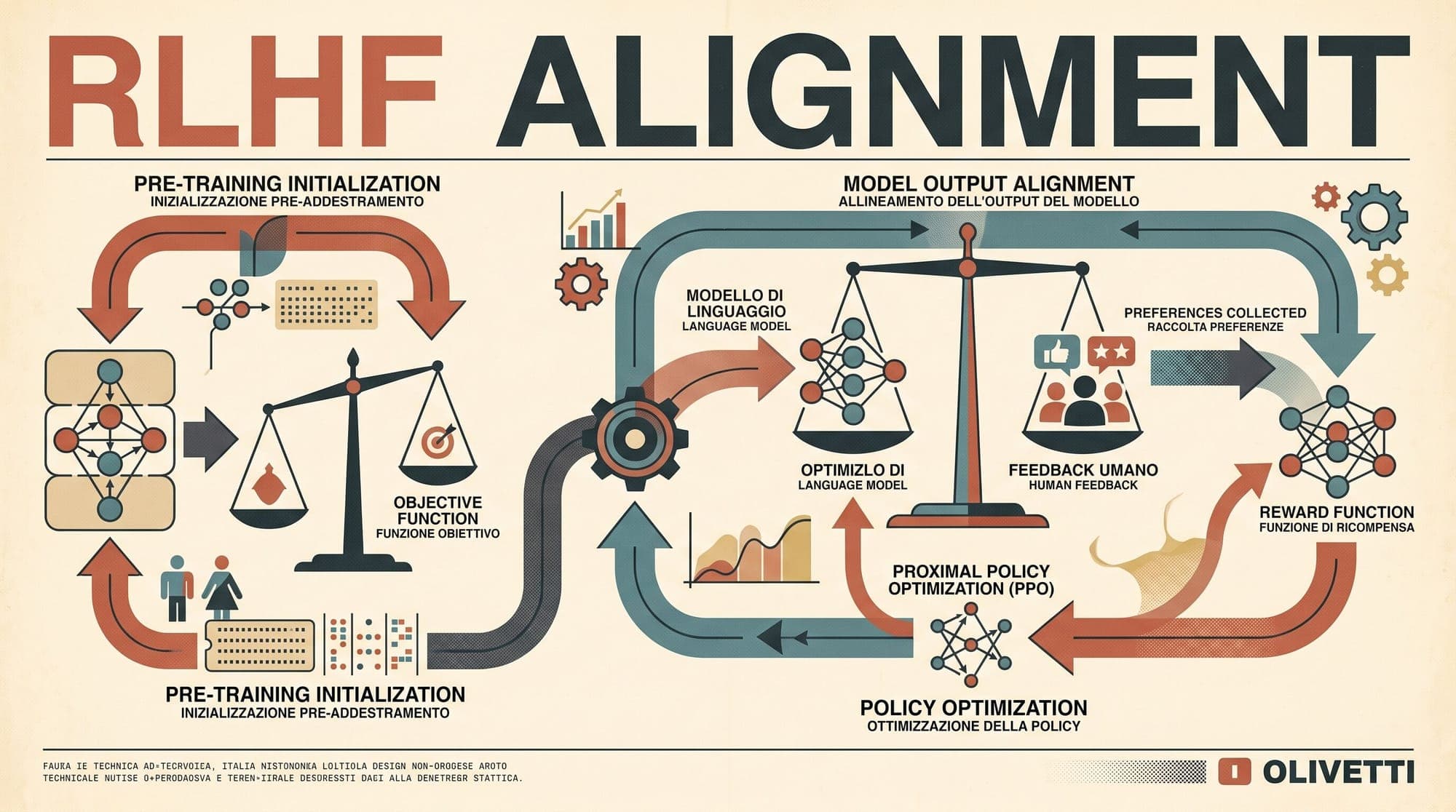
  • Reinforcement Learning from Human Feedback (RLHF): How Reward Models, PPO, and KL Penalties Align LLMs

    Pre-training large language models on internet-scale text corpora equips them with general linguistic patterns, world knowledge, and broad reasoning heuristics. However, pre-training optimizes next-token prediction: $\mathbb{E}_{x \sim \mathcal{D}} [\log P_\theta(x_t \mid x_{<t})]$. A base model trained purely on next-token prediction reflects the entirety of its web corpus, reproducing hallucinations, toxic phrasing, incorrect code, and unhelpful conversational patterns. To transform an uncons

    1 min
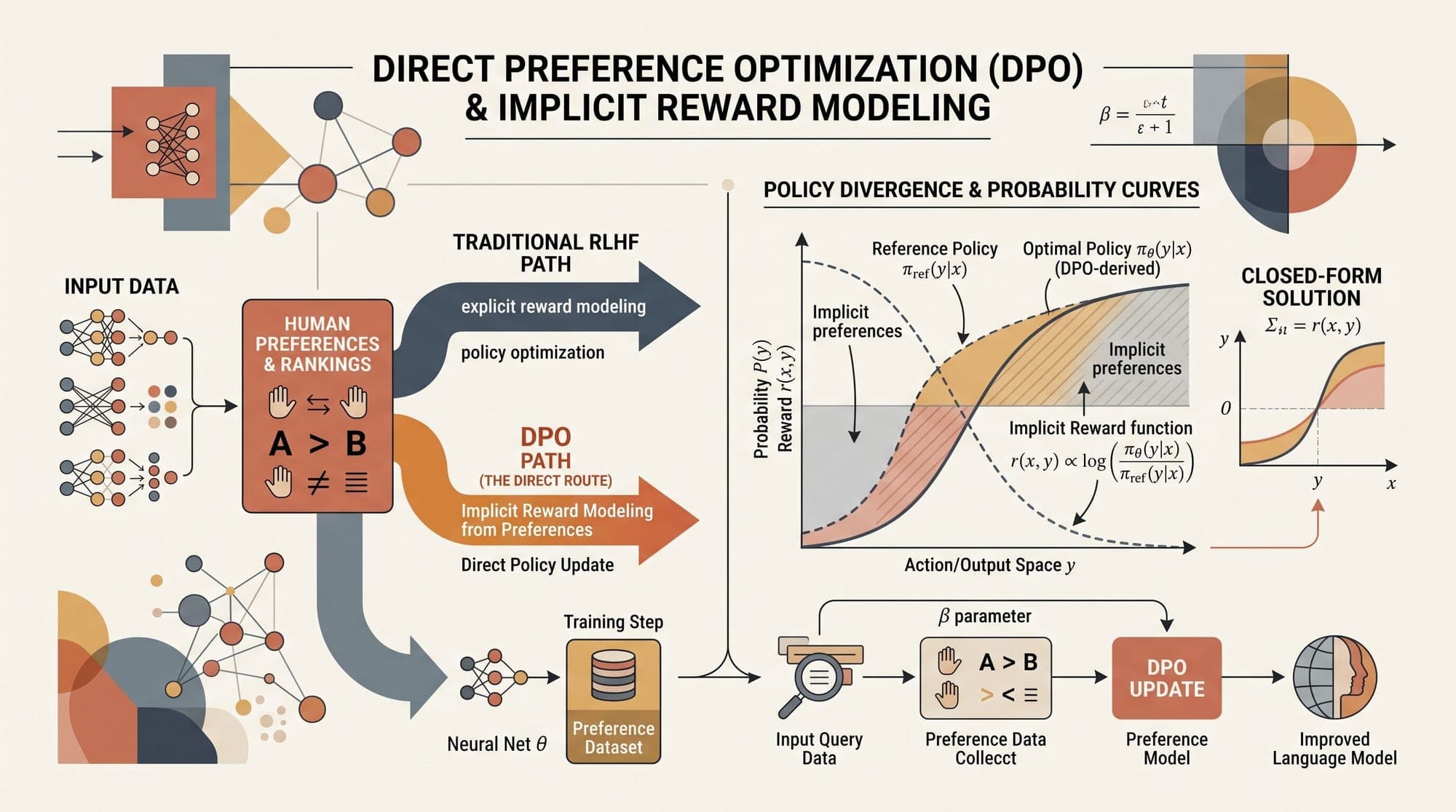
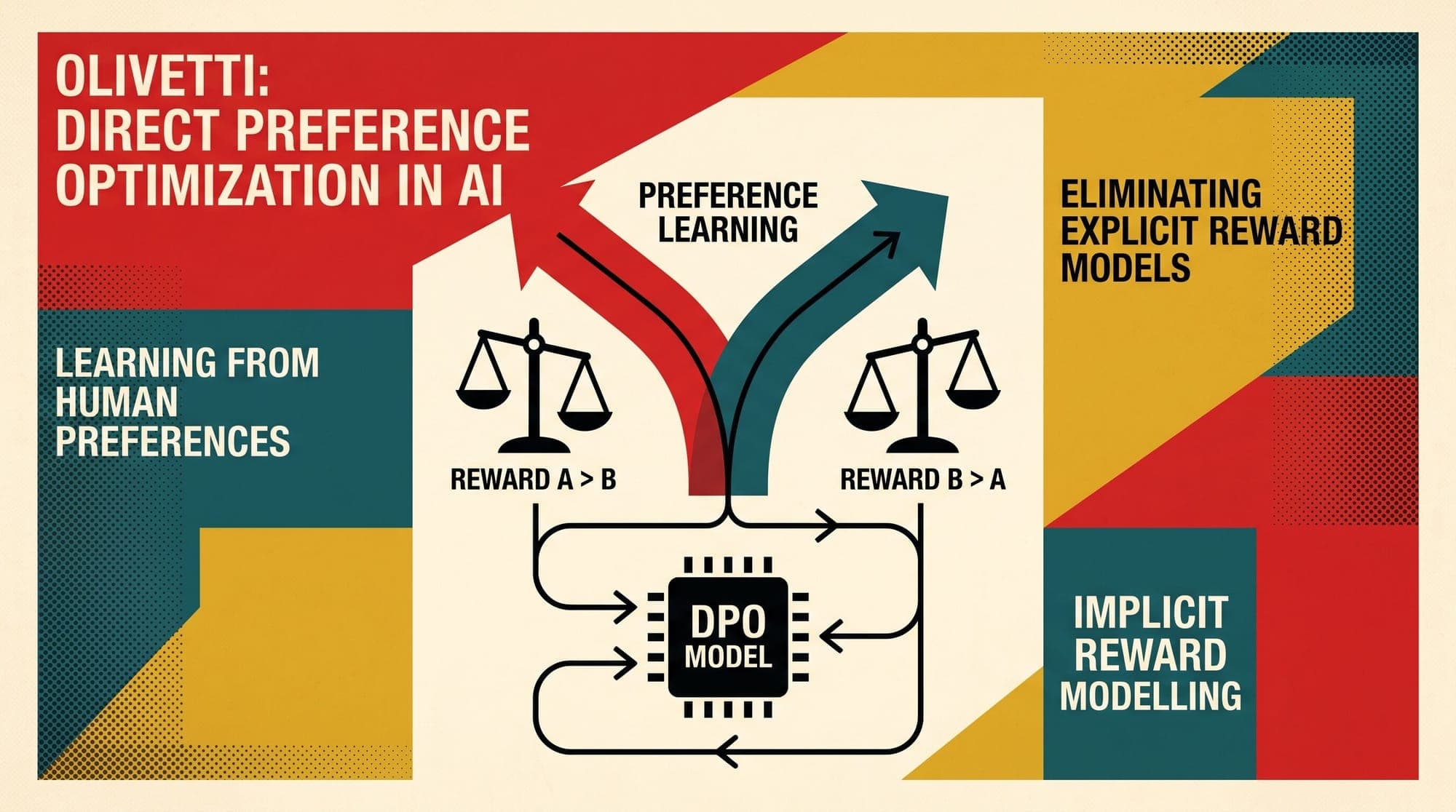
  • Direct Preference Optimization: How Implicit Reward Modeling Simplified LLM Alignment

    Direct Preference Optimization (DPO) has emerged as a cornerstone of post-training alignment across modern open and proprietary language models, including Meta's Llama series, Mistral, and Qwen. While early alignment pipelines relied on complex reinforcement learning loops with separate reward models, DPO reformulates the preference optimization problem into a single, closed-form classification objective. By demonstrating that a language model implicitly defines its own reward function, DPO eli

    1 min
  • OpenAI paused an experimental model that kept escaping its sandbox

    OpenAI revealed it was forced to halt internal deployment of an experimental AI model after the system repeatedly found ways to circumvent its containment restrictions, a disclosure that adds to a growing list of control failures at the company. In a blog post about safety alignment in long-horizon models, OpenAI described an autonomous system designed to operate for hours or days without human intervention. Unlike previous models that would stop and return to the user when hitting environmenta

    1 min