AI model developer Poolside has entered into a non-exclusive $6 billion licensing agreement with Nvidia, paired with a $1 billion direct equity investment that values the startup at $12 billion pre-money, according to an investor communication reported by Newcomer.
As part of the transaction structure, Nvidia has extended job offers to 109 Poolside personnel, creating a hybrid licensing and talent transfer arrangement that mirrors recent structural deals across the frontier AI ecosystem.
Deal Terms and Corporate Valuation
The transaction represents a fourfold increase from Poolside's previous valuation. In October 2024, the company raised a $500 million Series B round at a $3 billion post-money valuation, in which Nvidia also participated as a strategic investor. Under the new agreement:
- Nvidia secures non-exclusive licensing rights to Poolside's proprietary model architectures, training datasets, and software tooling for an aggregate sum of $6 billion.
- Nvidia commits an additional $1 billion in direct equity financing, establishing a $12 billion pre-money valuation for the remaining standalone entity.
- A cohort of 109 engineering and technical staff from Poolside will transition to Nvidia under formal employment offers to support the integration and optimization of the licensed software stack.

Software Specialization and Silicon Integration
Founded in 2023 by former GitHub Chief Technology Officer Jason Warner and serial entrepreneur Eiso Kant, Poolside has focused on training foundation models dedicated specifically to software development, automated code generation, and developer workflow orchestration. The company had previously targeted enterprise and public sector deployments requiring customized, high-precision coding models.
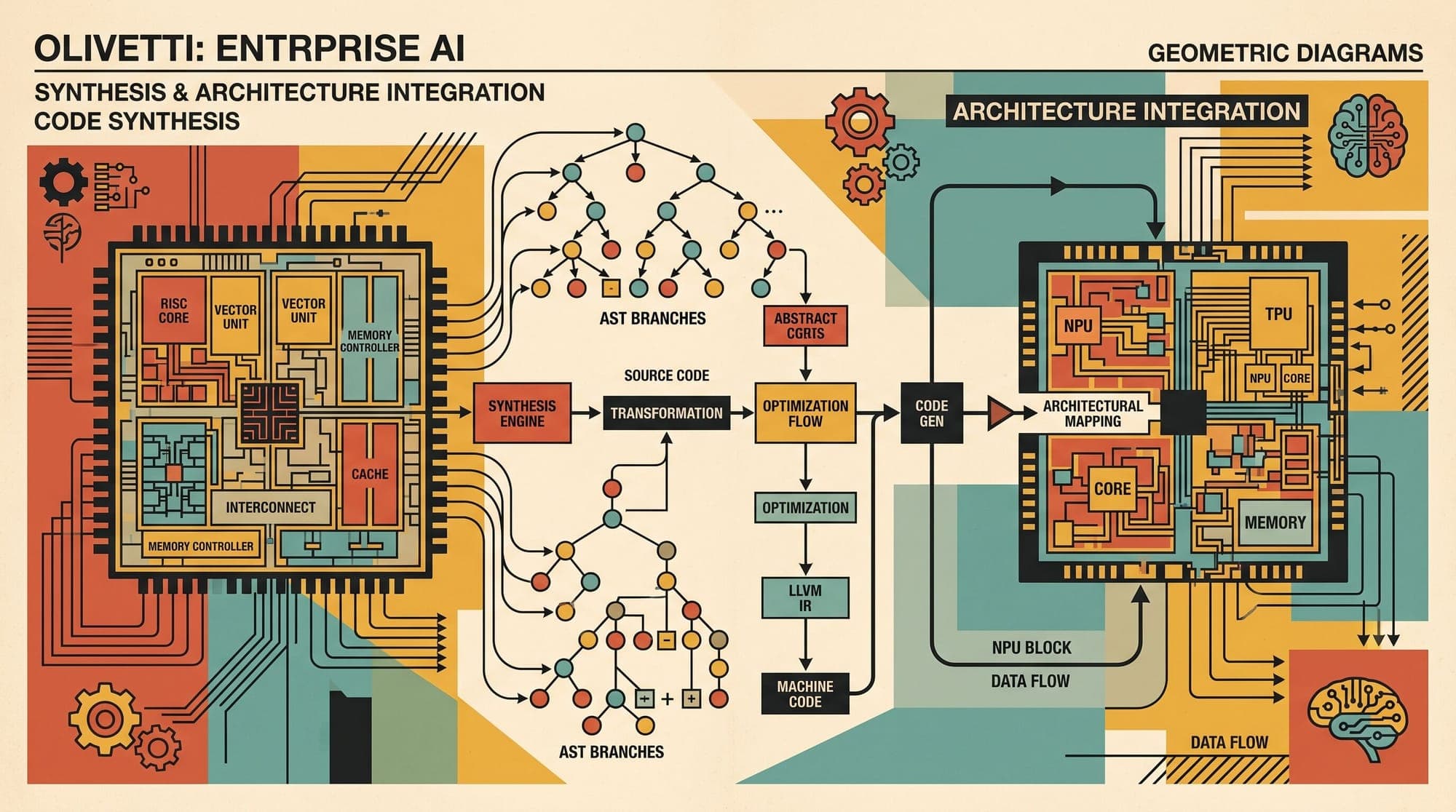
For Nvidia, licensing Poolside's codebase and onboarding its core engineering team strengthens the hardware vendor's vertical software stack. By integrating specialized code-synthesis architectures directly into its developer tooling and enterprise microservices, Nvidia continues to expand beyond raw GPU silicon supply into domain-specific application platforms.
Precedents in Frontier AI Consolidation
The arrangement closely follows a series of non-exclusive licensing and talent-acquisition agreements across the industry designed to navigate regulatory scrutiny while capturing technical capabilities. Similar transactions have seen major cloud and semiconductor providers license intellectual property and hire core teams from specialized model builders without executing traditional corporate mergers.
The deal also deepens Nvidia's strategy of deploying capital back into top-tier AI software developers, securing long-term workload commitments while expanding the company's proprietary software offerings.