Block has open-sourced Berd, an Apache 2.0-licensed desktop application designed to serve as a unified workspace for managing AI agents across different foundation models, toolsets, and execution harnesses. Originally built for internal use across Square, Cash App, and Tidal, the desktop client reached version 0.6.2 on August 18, 2026, with builds available for macOS, Windows, and Linux.
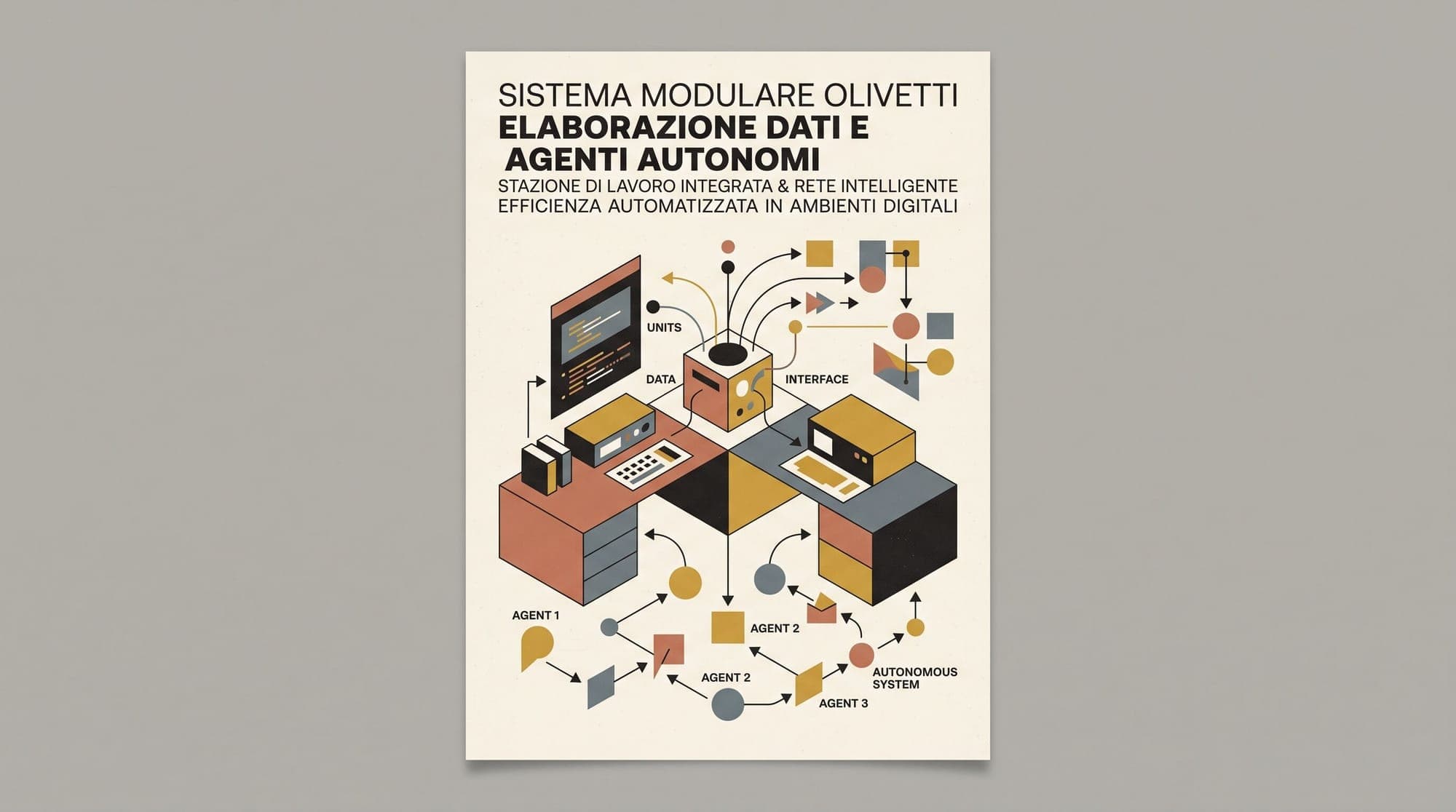
The release addresses growing operational fragmentation as developers juggle specialized agent environments like Anthropic's Claude Code, OpenAI's Codex, and Block's own Goose. Rather than offering another foundation model or standalone agent runtime, Berd acts as a desktop orchestration layer that manages persistent project context, tool configurations, and agent states on top of existing harnesses.

Sidecar Runtime and Open Protocols
Berd is built with Tauri 2 and React 19, operating entirely as a local desktop environment rather than a web application. Its architecture relies on two key open standards:
- Agent Client Protocol (ACP): Berd communicates with its execution engine through ACP. Goose, the model-agnostic runtime that Block contributed to the Agentic AI Foundation (AAIF), runs as a bundled sidecar process to handle the core agent execution loop.
- Model Context Protocol (MCP): Tool connectivity, filesystem access, and external data sources hook into the runtime using MCP standards, allowing users to attach tools across local and remote environments.
- Deterministic Version Pinning: The desktop build system locks specific Goose backend binaries via lockfiles to prevent silent runtime drift, while allowing developers to point to custom local builds for testing.
Local-First Storage and Explicit State
Unlike cloud-hosted AI dashboards, Berd prioritizes data residency and operational transparency:
- Local Data Retention: Conversation logs, project workspaces, and session histories are stored locally on the user machine by default.
- OS Keychain Integration: API keys and provider credentials are kept in the operating system credential manager rather than synchronized to remote servers.
- Visible Operational State: The user interface explicitly presents active project boundaries, selected models, attached MCP tools, and failure states rather than abstracting runtime errors behind conversational wrappers.
- Visual Agent Personas: To prevent confusion when managing multiple concurrent agents with varying system prompts and tool permissions, Berd introduces visual identities (termed "Gloopies" internally) with distinct behavioral roles such as adversarial review, decision narrowing, and stylistic matching.
Roadmap and Enterprise Strategy
While Berd targets individual, single-player desktop workflows, Block maintains a complementary open-source collaboration platform called Buzz. Built on the decentralized Nostr protocol, Buzz provides shared rooms where human team members and cryptographically identified AI agents collaborate on shared repositories.
Block confirmed that it plans to migrate key single-player workflows from Berd directly into Buzz to support seamless handoffs between private local execution and multi-user environments. In the interim, Berd remains freely available on GitHub for organizations seeking an open-source, multi-harness desktop interface.