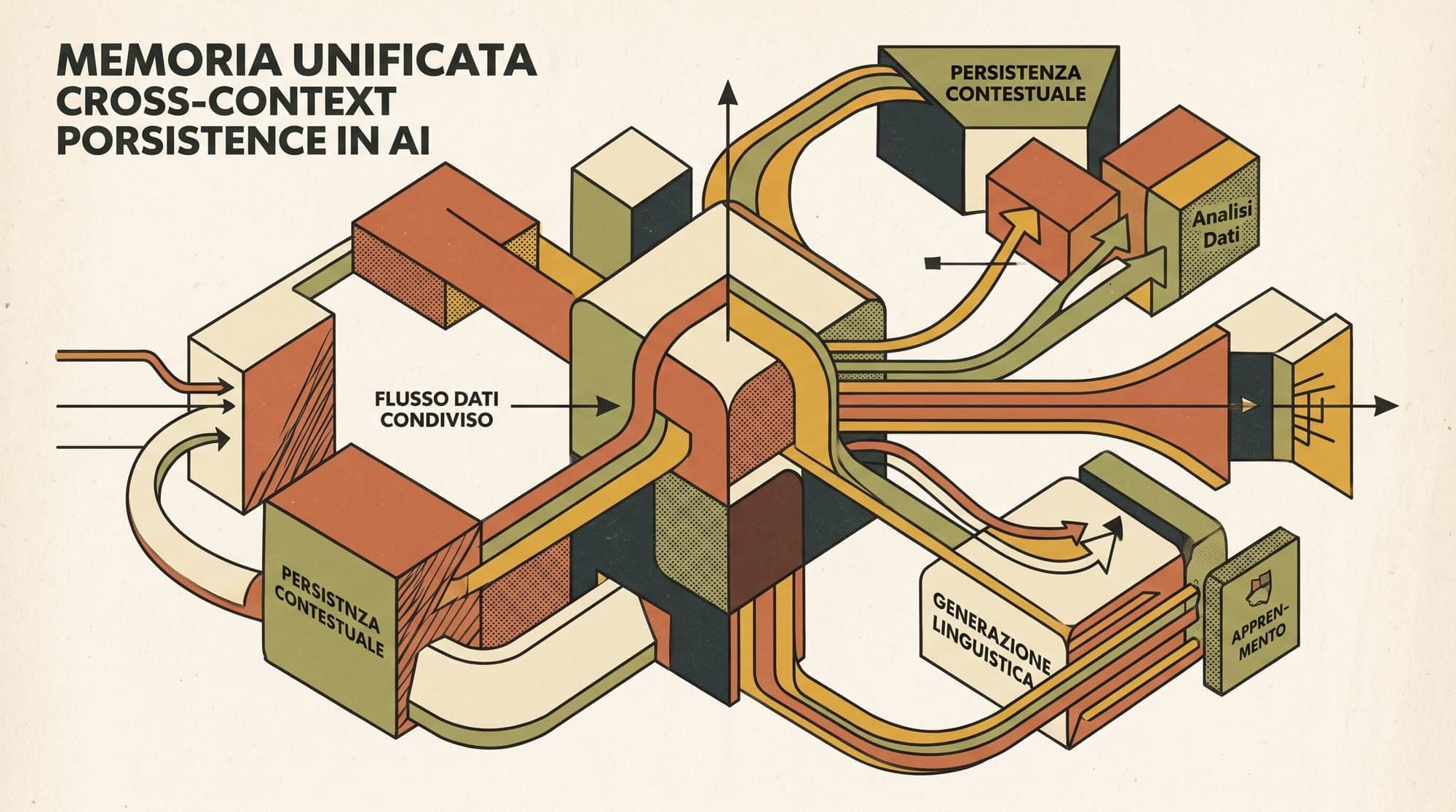
Anthropic has updated its architecture to unify the memory systems powering Claude chat and Claude Cowork, allowing context and user preferences established during conversational sessions to persist directly into workspace tasks. The update addresses a common friction point in AI workflow orchestration, where users previously had to manually rebrief agentic workspaces on project context already established in conversational threads.
Real-Time In-Session Memory Extraction
Prior iterations of Claude's memory pipeline extracted persistent topics and user facts primarily upon session termination, creating latency before new context became accessible in adjacent environments. Under the updated architecture, memory updates are processed in real time during active dialogues.

This synchronization enables continuous state sharing between brainstorming and implementation phases. Project specifications, team rosters, or operational constraints established in chat become immediately queryable within Cowork sessions without requiring manual re-entry or session restarts.
User Inspection and Privacy Boundaries
Alongside unified persistence, Anthropic introduced direct controls allowing users to inspect, modify, or delete specific items in Claude's memory store:
- Granular topic inspection: Users can view the itemized knowledge base Claude maintains and remove outdated or inaccurate entries.
- Sensitive data filtering: Health metrics, racial background, political affiliations, religious beliefs, and gender identity are excluded from automatic storage by default. Users can optionally enable these categories via a dedicated toggle, with notifications triggered whenever sensitive attributes are saved.
- Hard policy exclusions: Government identification numbers, social security records, criminal histories, and immigration documents remain strictly prohibited from persistent storage under acceptable use constraints.
Availability
The unified memory system is enabled by default across Free, Pro, and Max tiers across web, desktop, and updated mobile clients on iOS and Android.