Information Retrieval6 articles

Information Retrieval

Articles

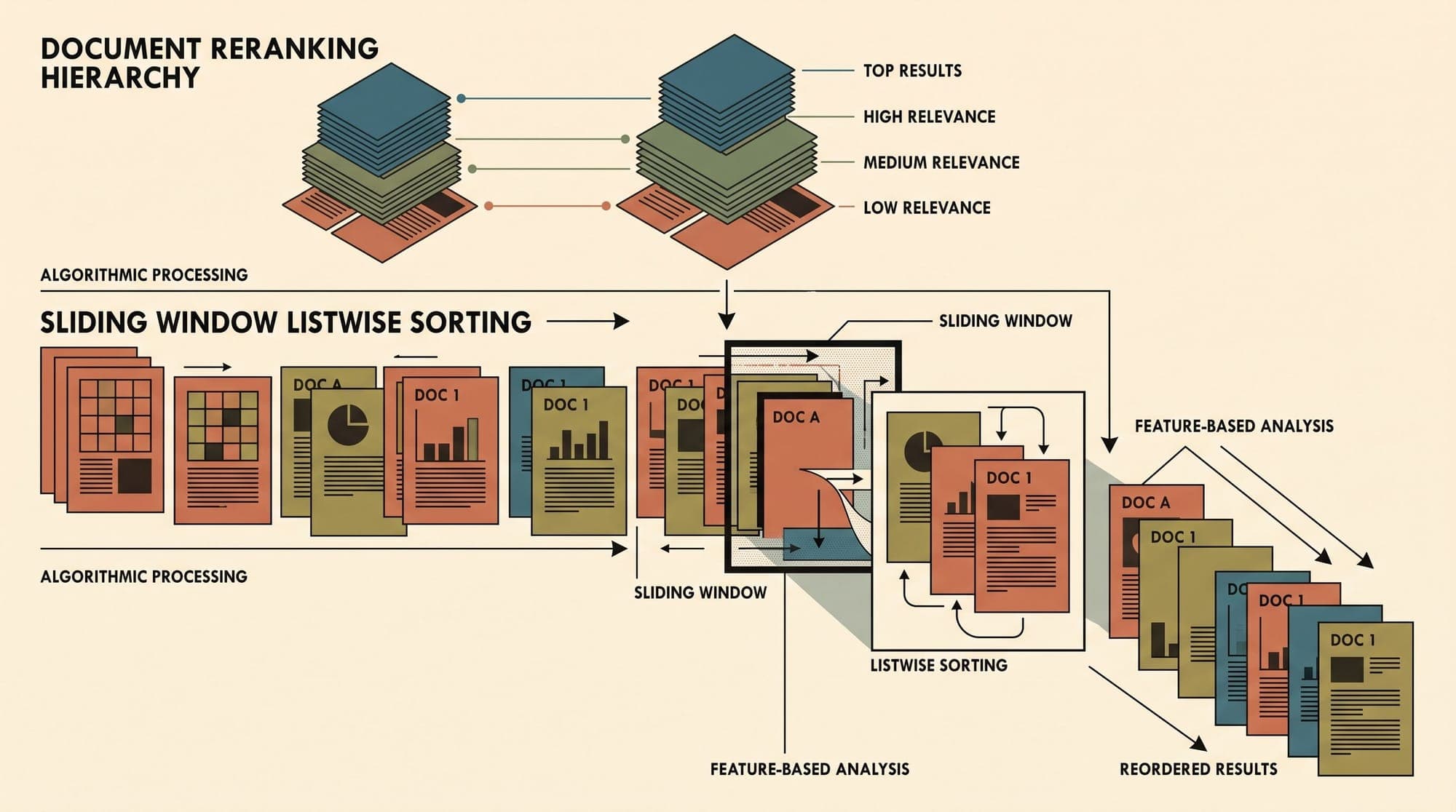
  • Listwise Reranking in Production: Comparing Pointwise, Pairwise, and Listwise LLM Architectures, Sliding-Window Permutations, and Serving Economics

    Information retrieval systems in production Retrieval-Augmented Generation (RAG) and enterprise search have transitioned through multiple reranking paradigms. While first-stage retrieval (dense vector embeddings and sparse lexical BM25/SPLADE) retrieves candidate sets of 50 to 200 documents in under 20 milliseconds, the precision of downstream generation depends heavily on the reranking stage. Traditional neural rerankers evaluate candidates through pointwise scoring or pairwise classification.

    1 min
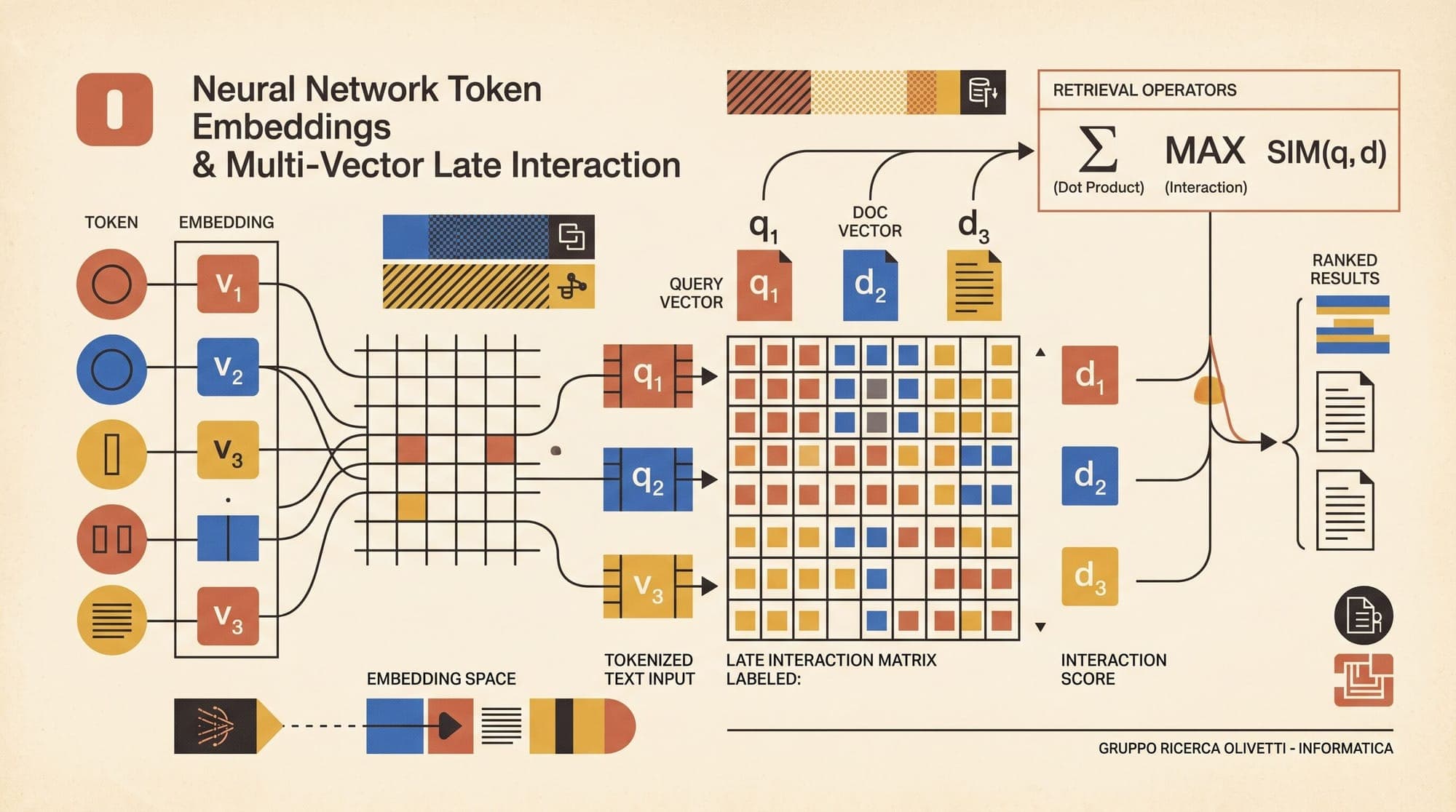
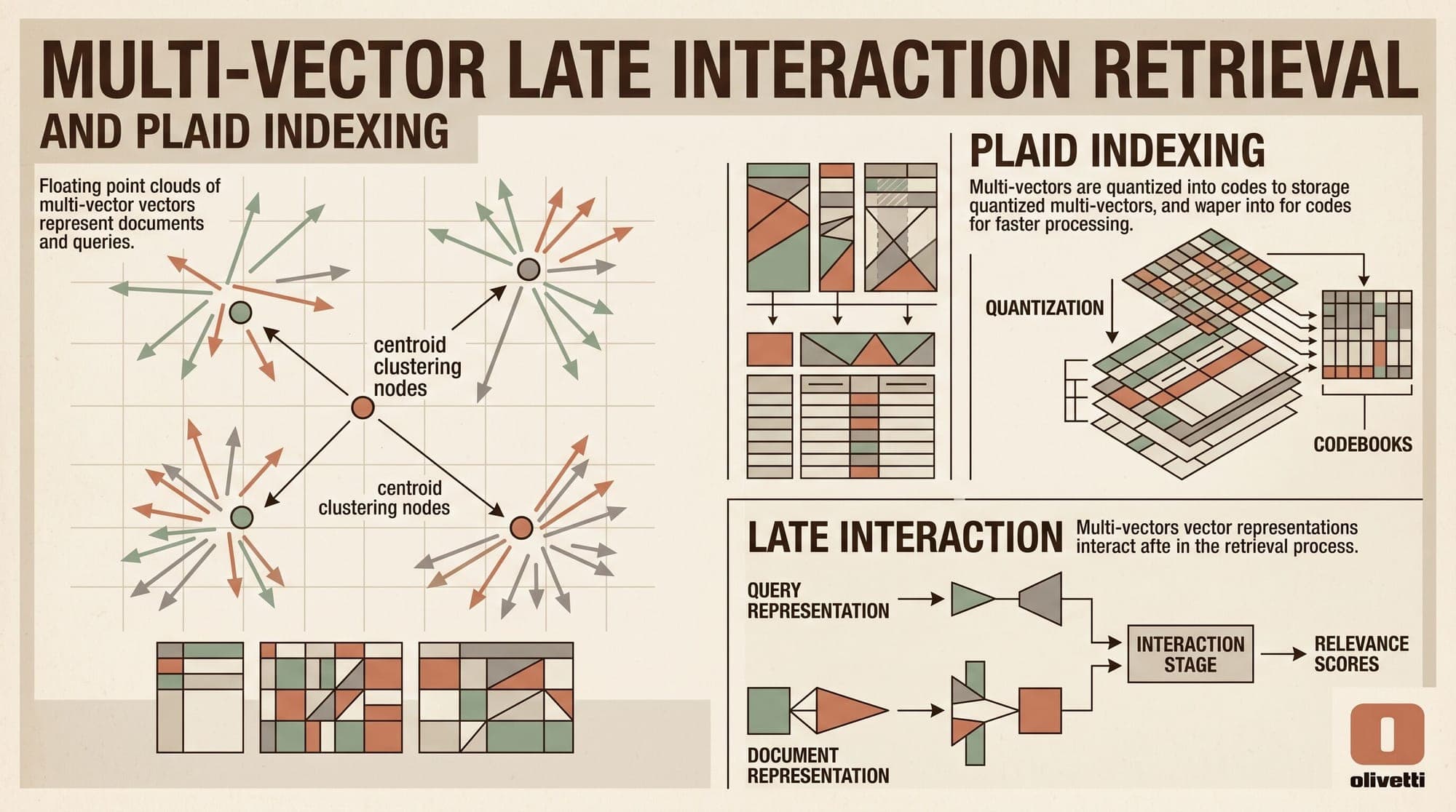
  • Multi-Vector Late Interaction in Production: PLAID Indexing, Residual Compression, and Serving Architectures

    Multi-Vector Late Interaction in Production: PLAID Indexing, Residual Compression, and Serving Architectures Dense single-vector embeddings and cross-encoder rerankers represent the two traditional extremes of neural information retrieval. Single-vector models collapse entire documents into a single dense representation (typically 768 to 3,072 dimensions), losing token-level nuance, lexical precision, and localized facts. Cross-encoders preserve token interactions across the entire input sequen

    1 min
  • Hybrid Search Score Fusion in Production: Reciprocal Rank Fusion vs. Relative Score Fusion vs. Distribution-Based Score Fusion

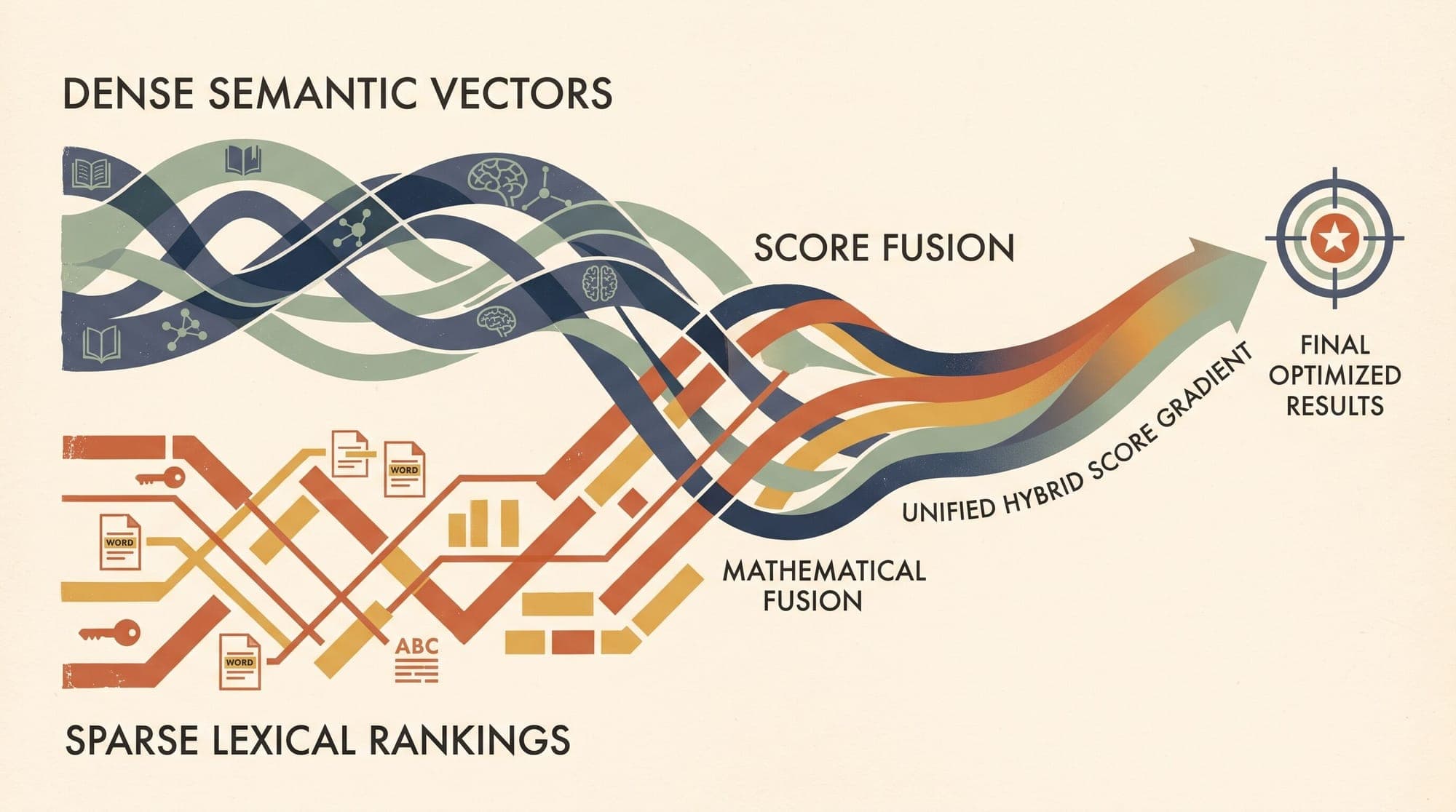
    Combining lexical search and dense vector retrieval is the standard architecture for modern enterprise retrieval-augmented generation (RAG). Lexical algorithms like BM25 excel at exact token matching, code identifiers, and acronyms, while dense embeddings capture semantic context and paraphrased intent. However, merging these two disparate retrieval streams into a single, coherent ranking presents a fundamental mathematical challenge: lexical engines and vector indices operate in completely inc

    1 min
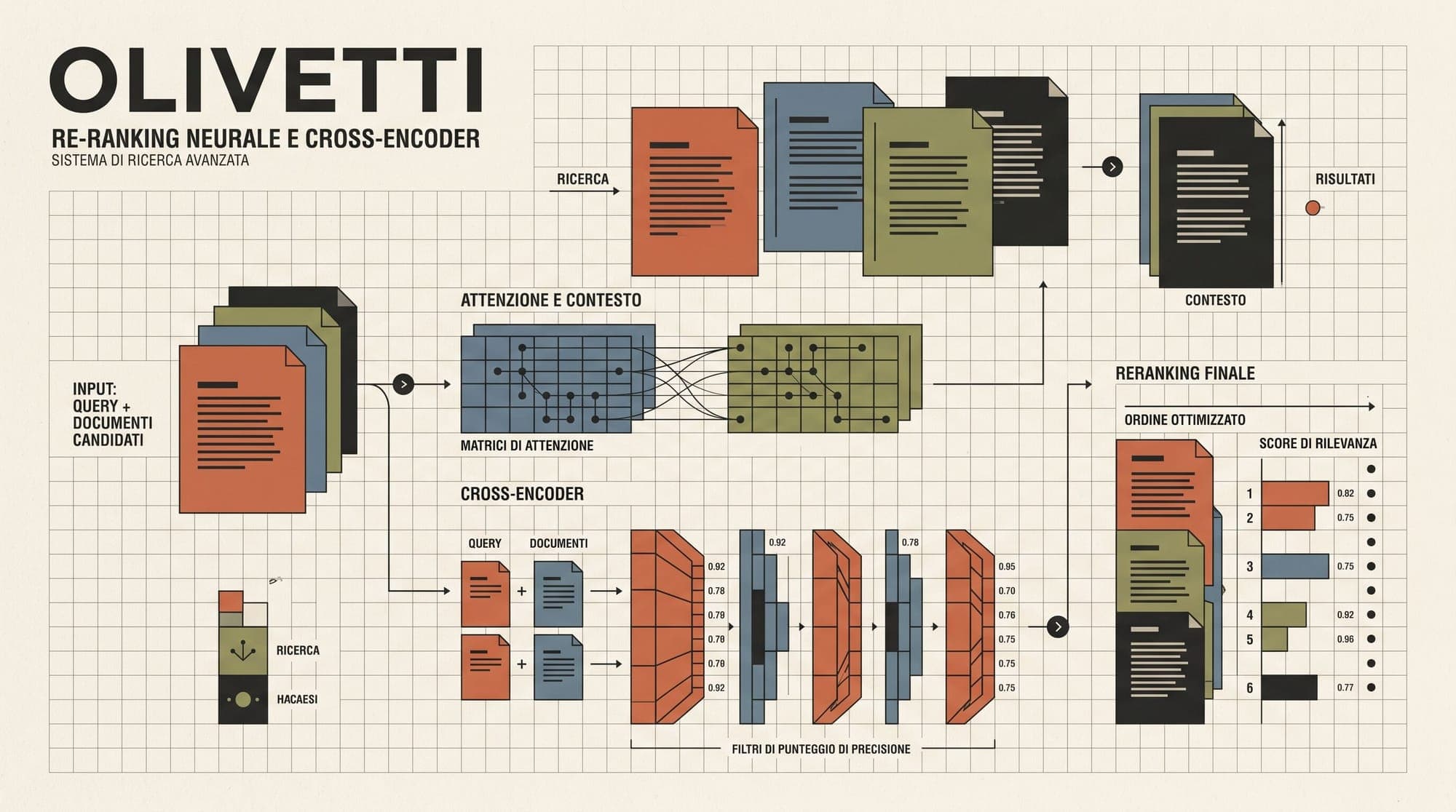
  • Cross-Encoder Rerankers in Production RAG: Architecture, Score Calibration, Latency Budgets, and Model Trade-Offs

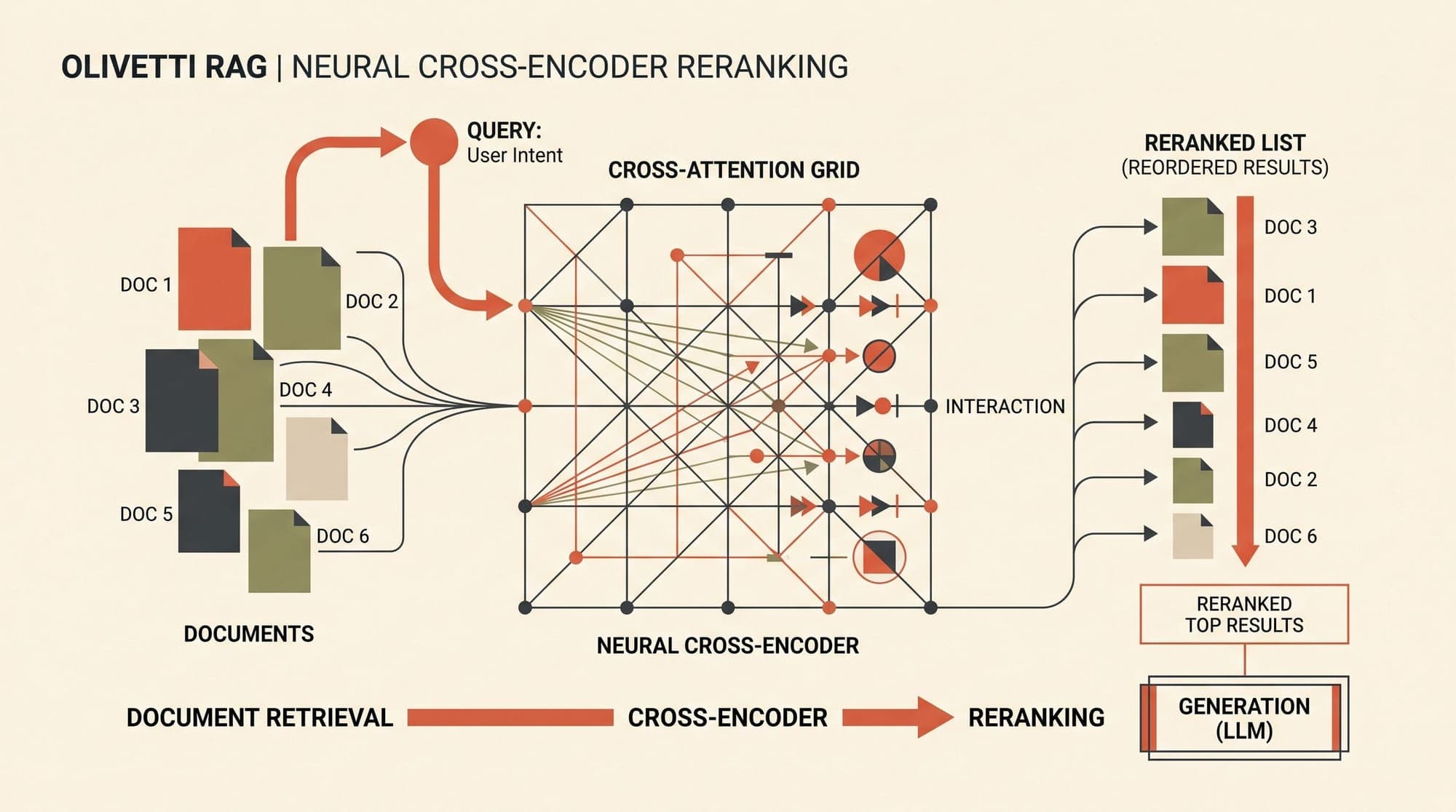
    Retrieval-Augmented Generation (RAG) systems in production frequently suffer from a fundamental precision failure: vector search surfaces the correct chunk somewhere in the top 50 candidates, but fails to place it in the top 3 positions required for high-fidelity LLM synthesis. When irrelevant or tangential chunks lead the context window, generation quality degrades through hallucinations, lost-in-the-middle context neglect, and inflated inference costs. Cross-encoder rerankers serve as the sta

    1 min
  • Query Transformation in Production RAG: Architecture, Latency Economics, and Retrieval Trade-Offs for HyDE, Multi-Query Expansion, and Step-Back Prompting

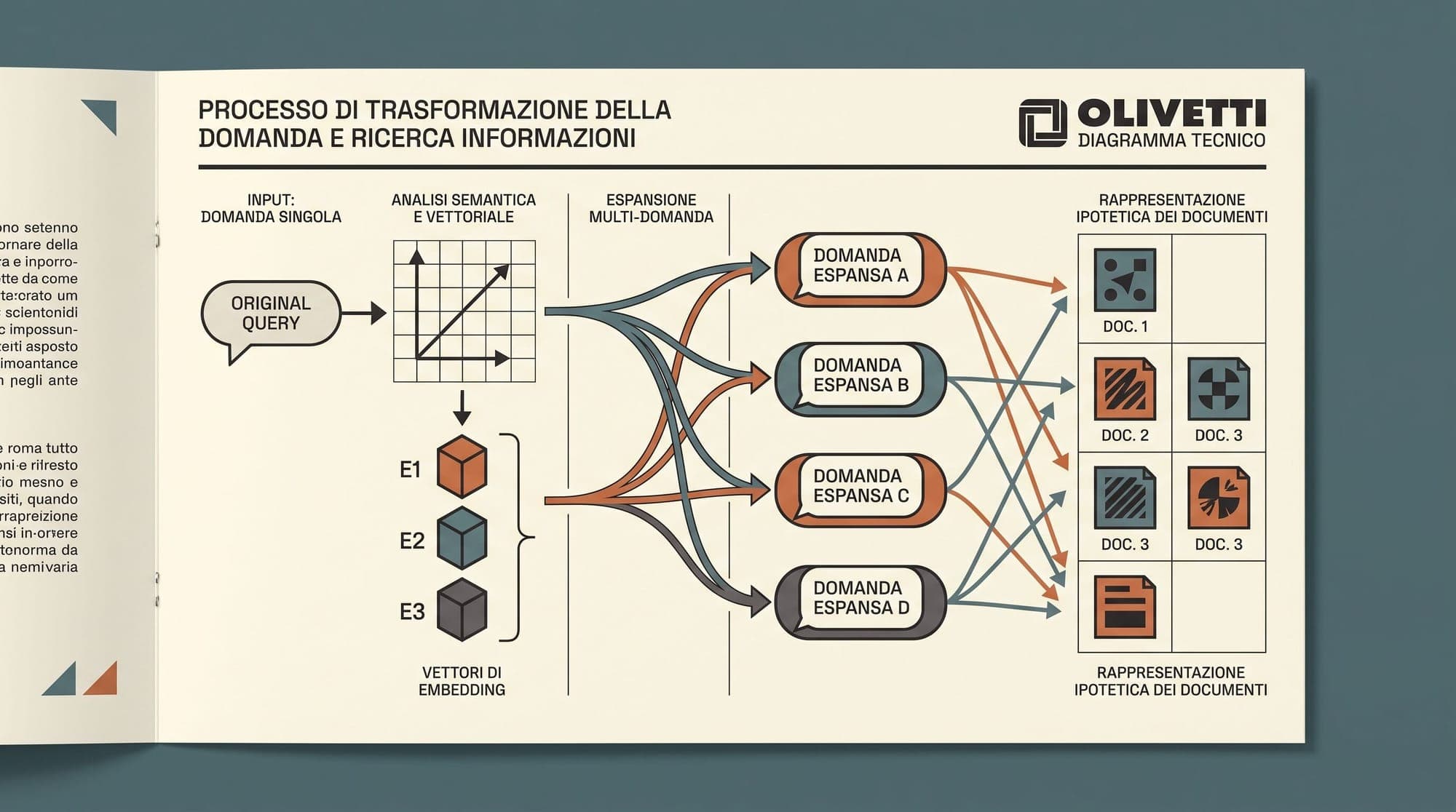
    Standard retrieval-augmented generation (RAG) architectures operate on a naive assumption: that the raw user query is suitable for direct retrieval against a vector database or lexical search index. In production, this assumption fails across significant query distributions. Raw user queries are frequently short (averaging 4 to 8 words), structurally underspecified, conversational, or laden with unresolved pronoun bindings. Conversely, indexed document chunks typically contain 256 to 1024 tokens

    1 min
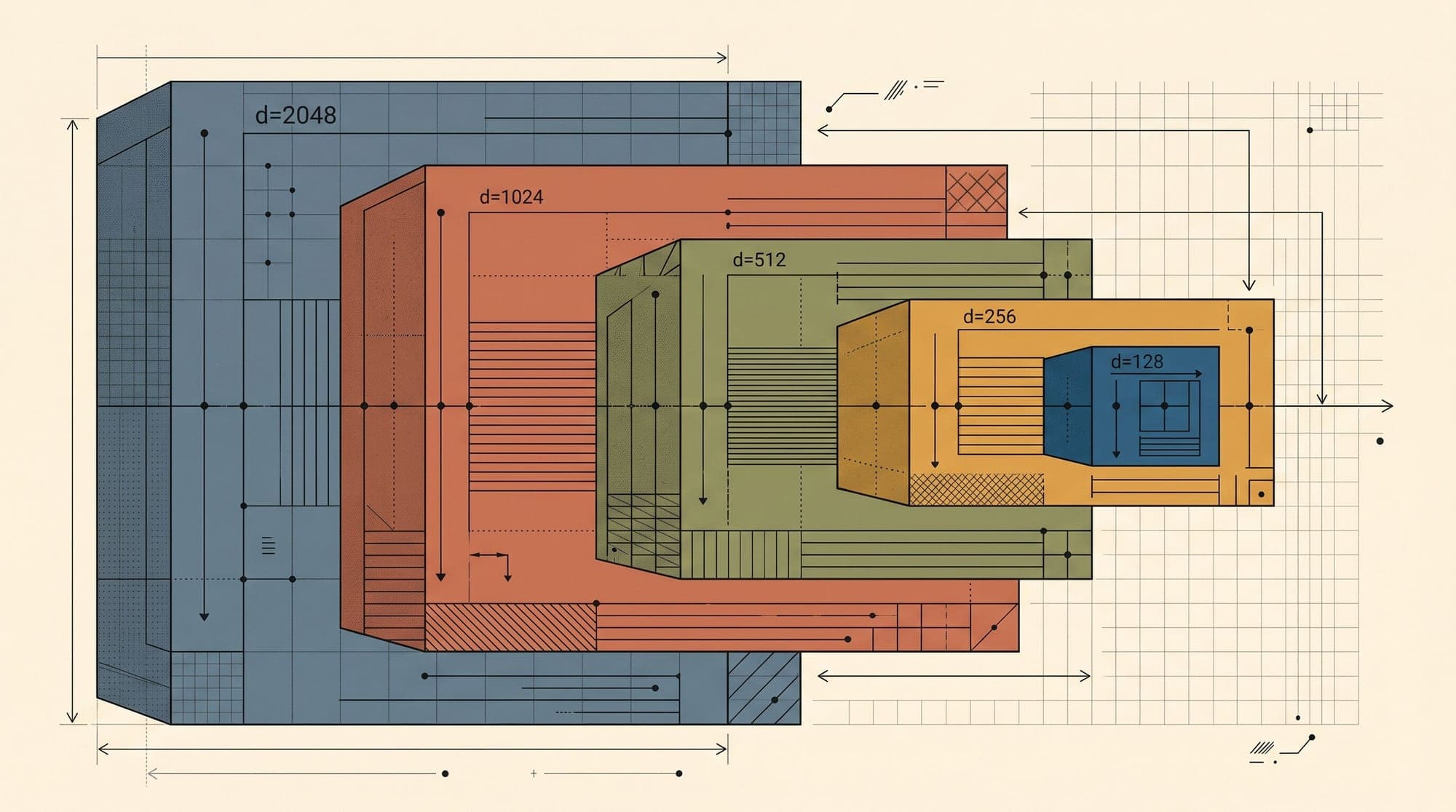
  • Vector Embeddings in Large Language Models: How Contrastive Learning, Bi-Encoders, and Matryoshka Projections Map Semantic Space

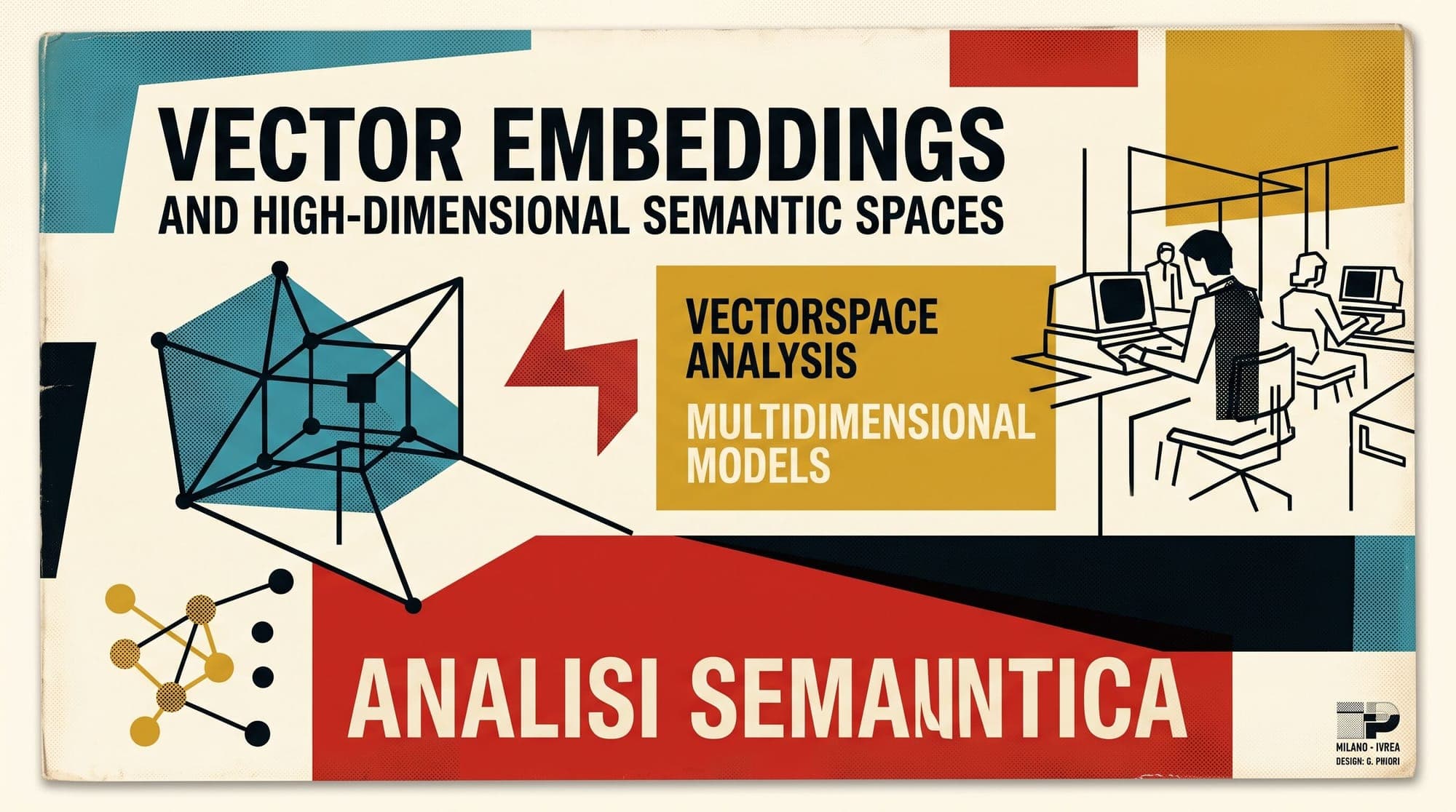
    Vector Embeddings in Large Language Models: How Contrastive Learning, Bi-Encoders, and Matryoshka Projections Map Semantic Space Large language models process text as discrete tokens: integers mapped to lookup tables. While causal transformers excel at autoregressive generation by predicting the next token, generation alone does not solve the challenge of semantic search, clustering, or dense retrieval. Searching through millions of documents requires comparing sequence-level meaning in constan

    1 min