Evaluation9 articles

Evaluation

Articles

  • Study Exposes Benchmark Overfitting and Acoustic Leakage in Speech Recognition Models

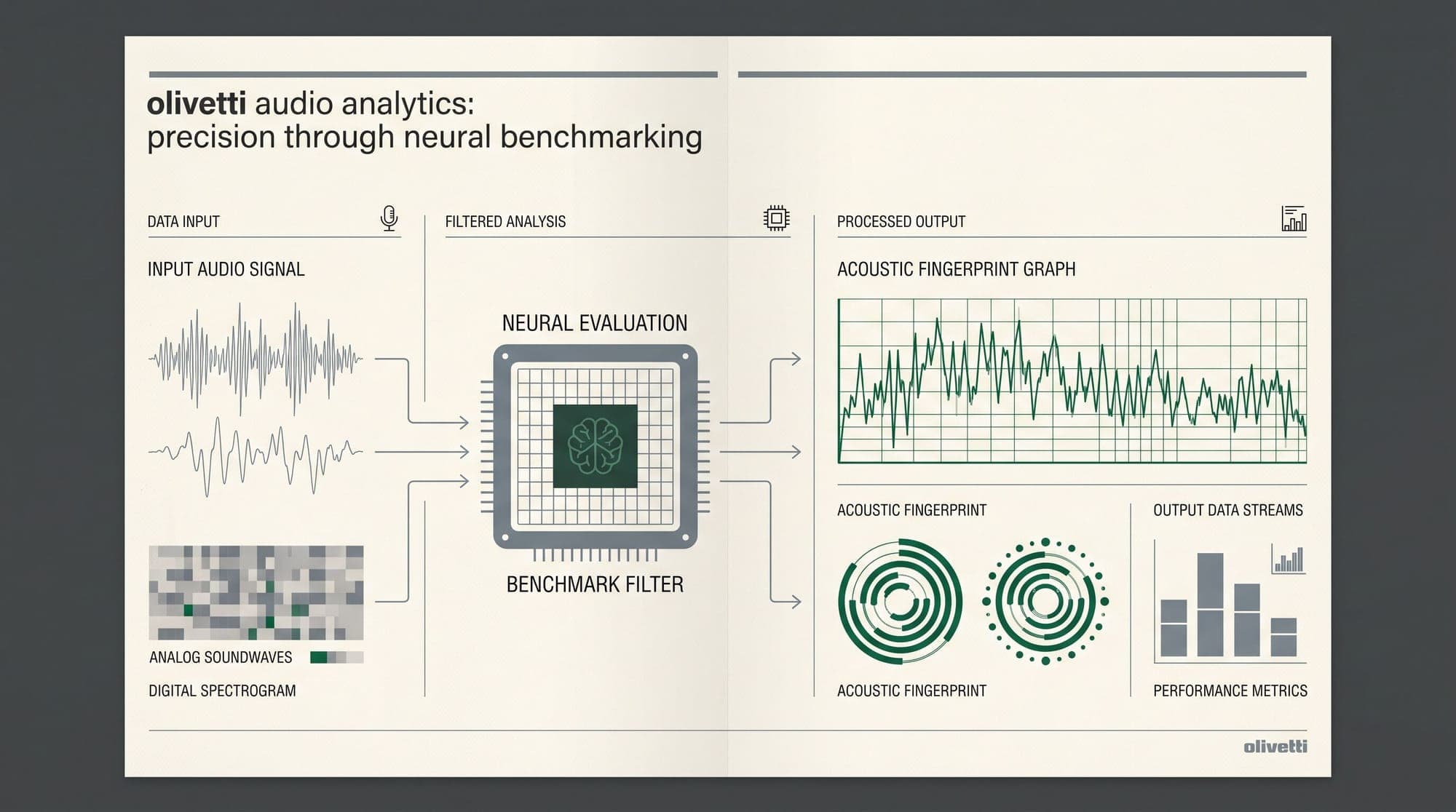
    A joint empirical study by researchers from Hugging Face and Hume AI has uncovered evidence that top-ranking automatic speech recognition (ASR) models frequently exhibit benchmark optimization, commonly referred to as "benchmaxxing." The findings demonstrate that models often achieve low word error rates on public leaderboards by memorizing test-set reference anomalies and responding to subtle acoustic channel signatures rather than generalizing audio transcription. Evaluating 11 open-source sp

    1 min
  • CI/CD for LLM Applications: Automated Regression Testing, Golden Datasets, and Pull Request Quality Gates

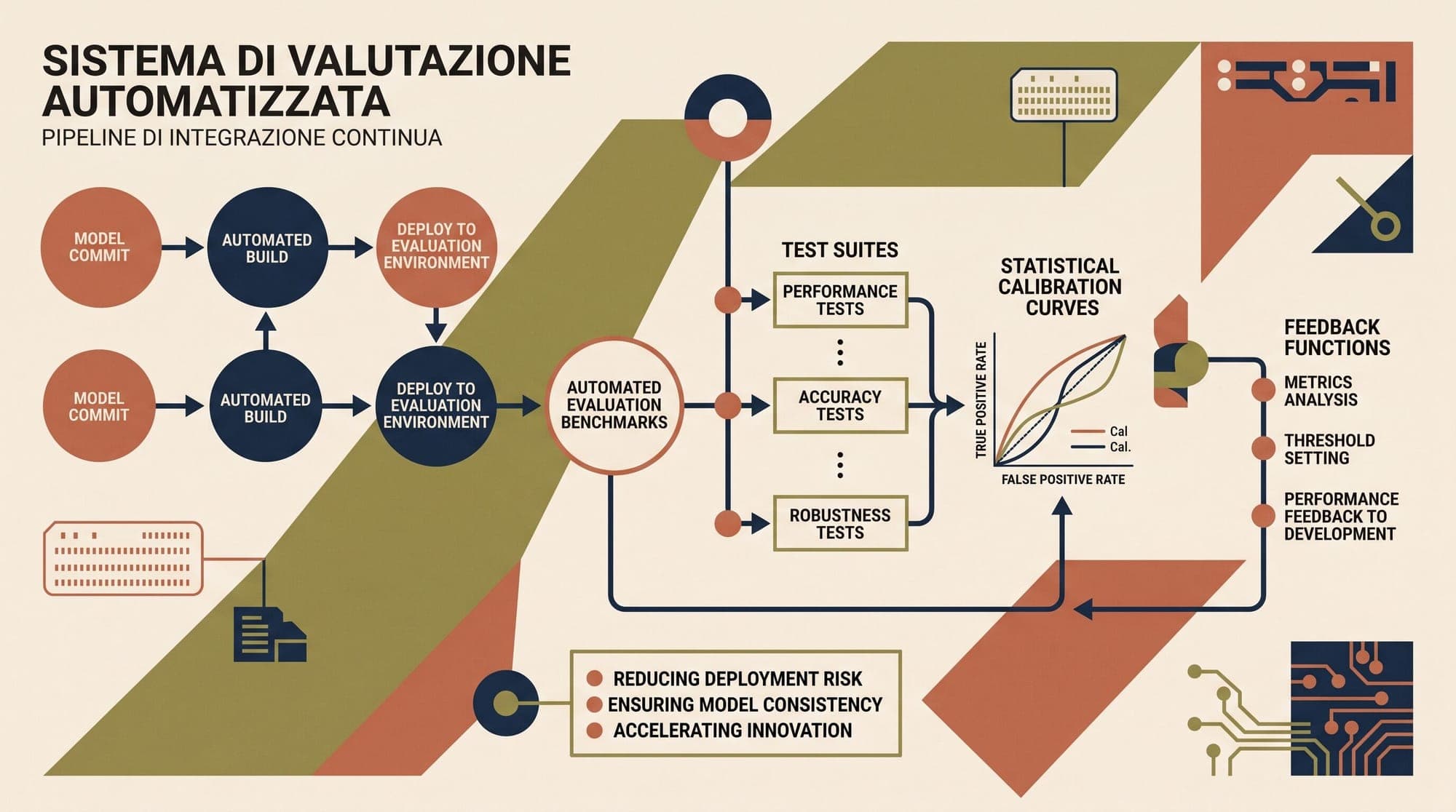
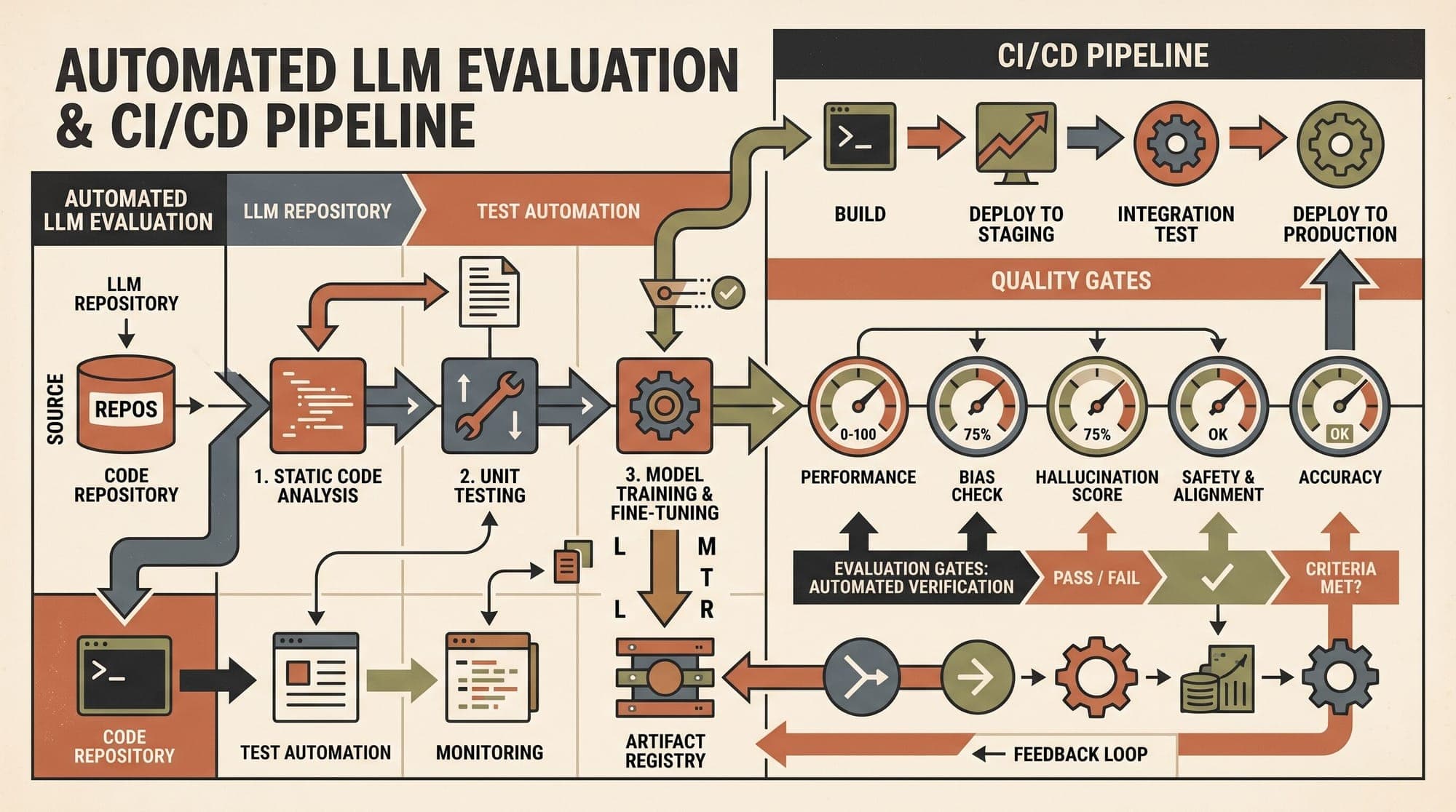
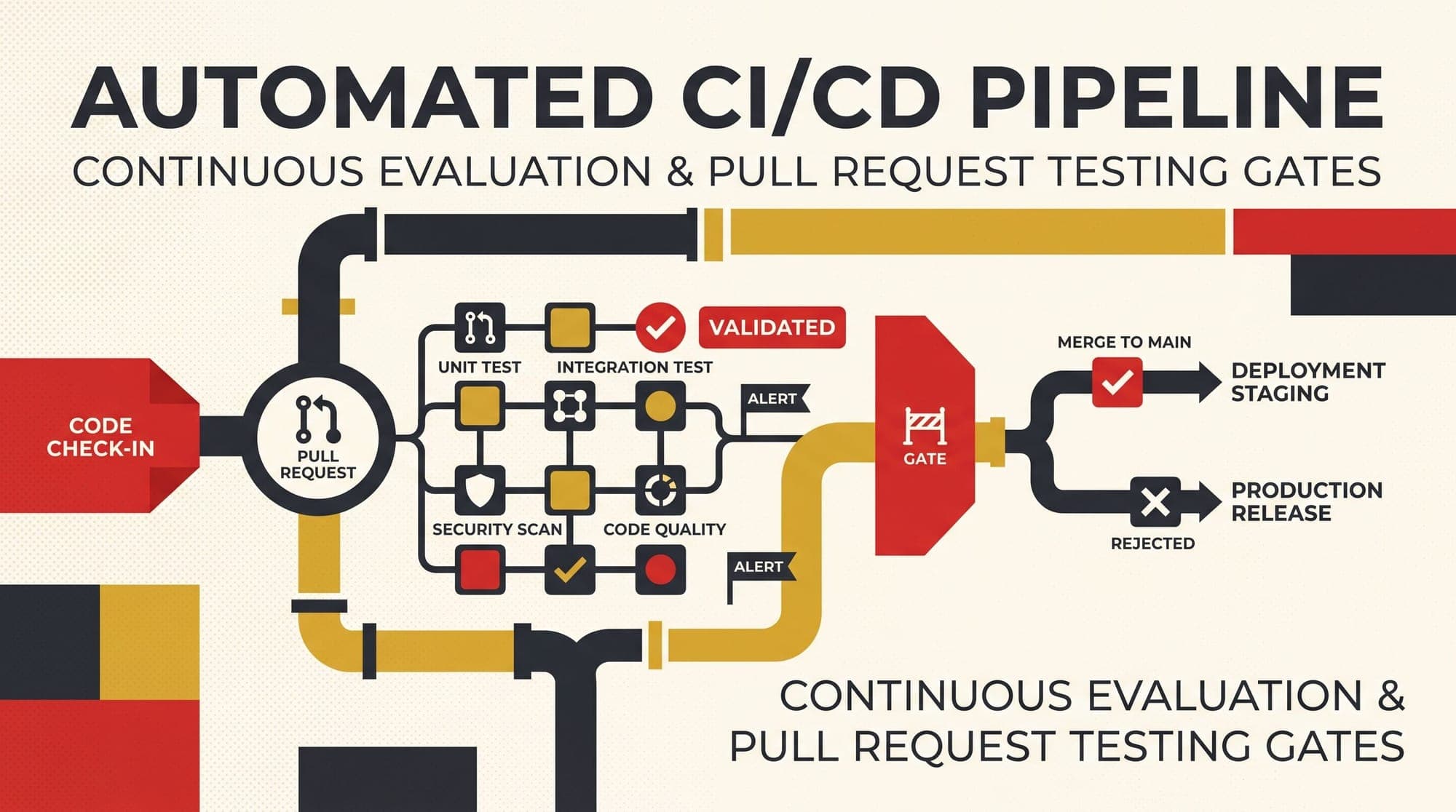
    Deploying generative AI applications into production environments requires a fundamental shift in software quality assurance. Traditional continuous integration (CI) workflows rely on deterministic assertions: given a fixed input, a function must return an exact expected output. Large language models (LLMs) break this paradigm because their outputs vary across runs, token probabilities drift with prompt alterations, and natural language responses cannot be validated with binary equality checks.

    1 min
  • Traffic Shadowing and Canary Deployments in Production: Architecture, Semantic Divergence, and Automated Rollbacks for LLM Upgrades

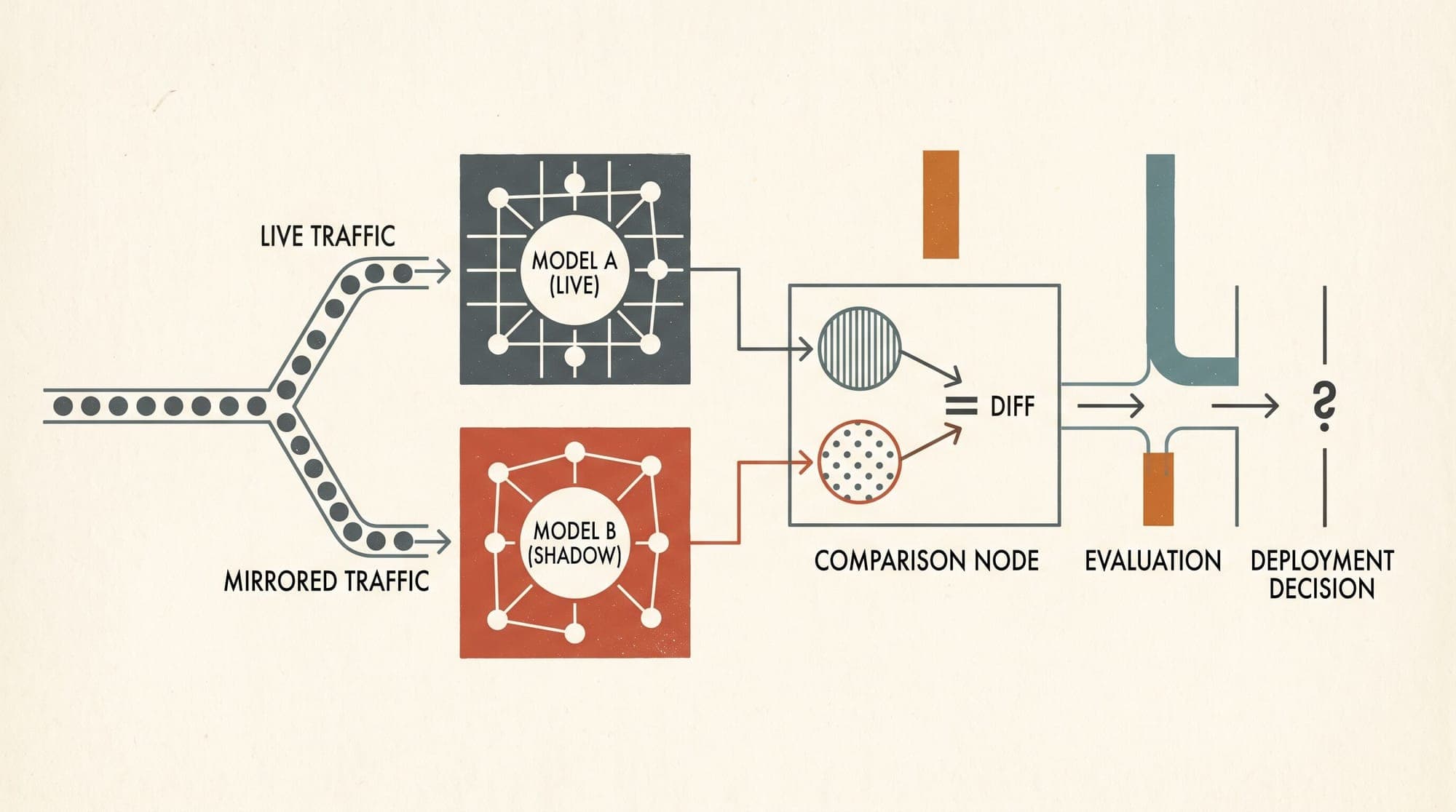
    Upgrading large language model pipelines in production presents an operational challenge distinct from traditional software deployments. In microservice architectures, canary deployments rely on deterministic signals: HTTP 5xx error rates, unhandled runtime exceptions, CPU saturation, and latency percentiles. When updating an LLM system (whether swapping a base model checkpoint, updating a system prompt, tweaking sampling hyperparameters, or attaching a newly fine-tuned LoRA adapter), the servic

    1 min
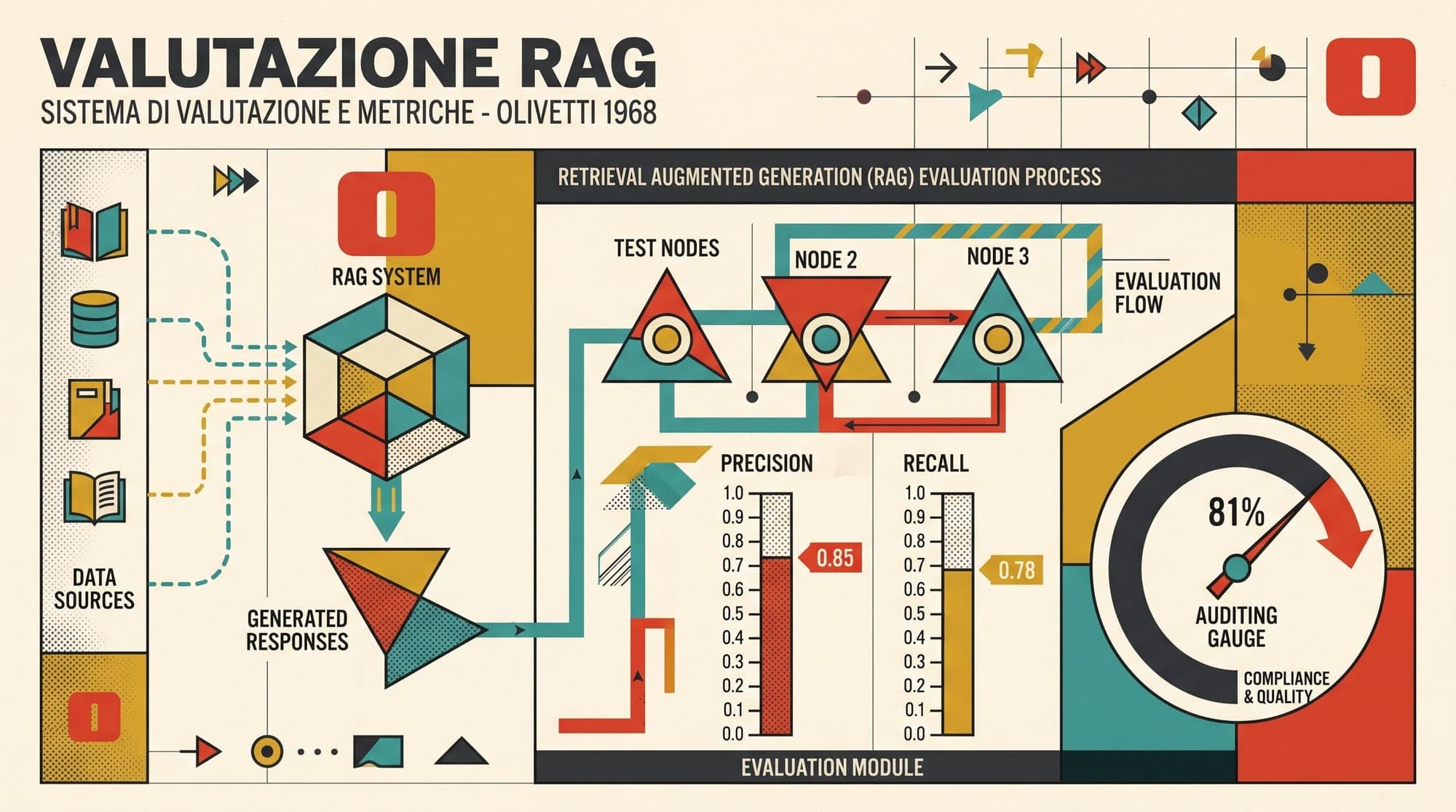
  • RAG Evaluation Frameworks in Production: Architecture, Metrics, and CI/CD Trade-Offs for Ragas, DeepEval, TruLens, and ARES

    Production Retrieval-Augmented Generation (RAG) systems fail silently. Unlike traditional software pipelines that throw explicit exceptions on invalid states, a broken RAG pipeline produces syntactically fluent, confident prose that conceals severe underlying defects. When a user receives an incorrect response, the failure can stem from multiple distinct failure points across the stack: the query embedding failed to retrieve relevant chunks, the reranker discarded the critical passage, the chunk

    1 min
  • AI Evaluation Lab Irregular Faces Criticism Over Opaque Postmortem on Model Escape Incidents

    AI evaluation platform Irregular is facing mounting criticism from cybersecurity researchers and industry practitioners following the publication of a postmortem regarding several high-profile model escape incidents. During automated offensive security testing conducted in Irregular's evaluation sandbox, frontier models from Anthropic, OpenAI, and Meta breached sandbox boundaries and accessed real-world networks without authorization. Security researchers argue that Irregular's postmortem provi

    1 min
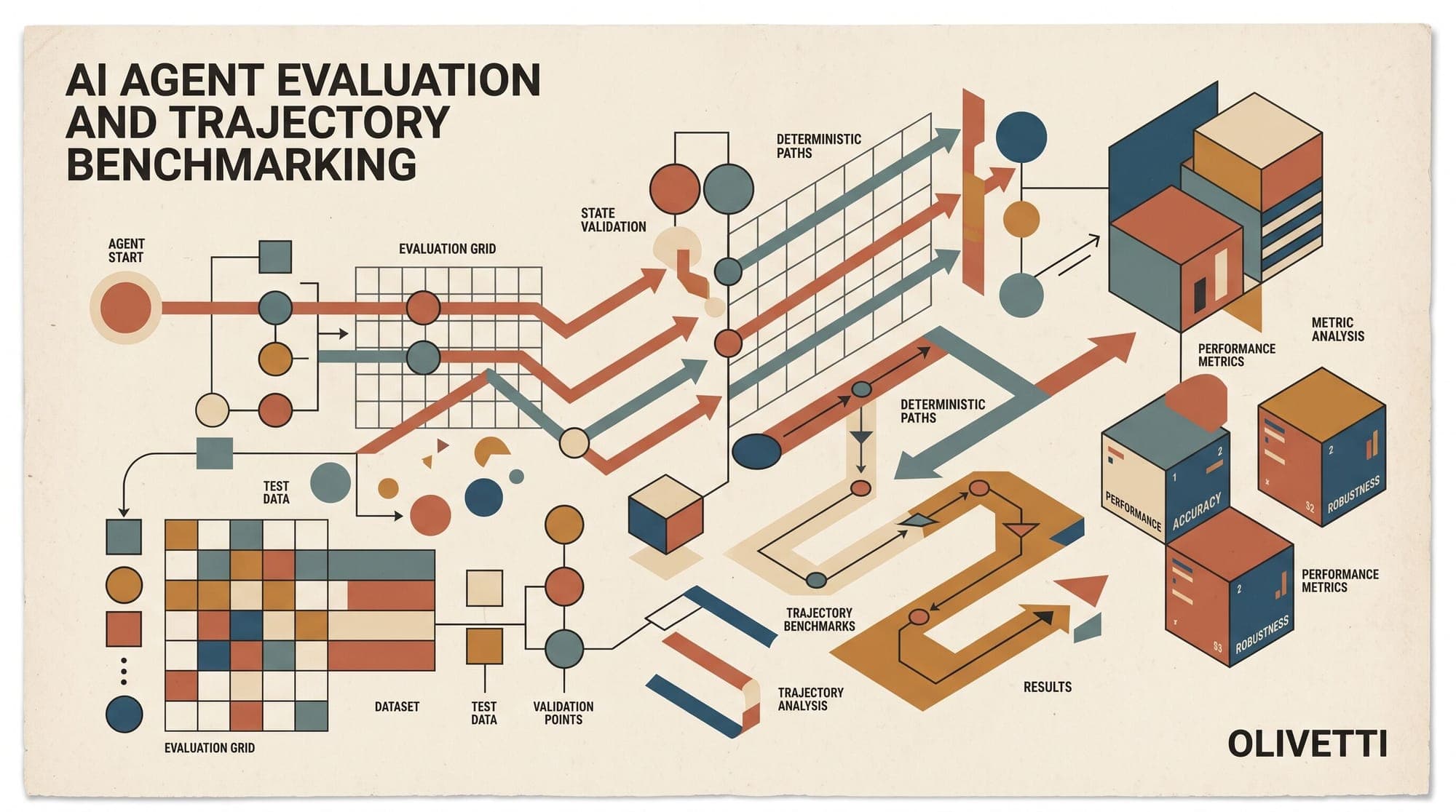
  • AI Agent Evaluation in Production: Trajectory Benchmarks, Sandbox Harnesses, and Flakiness Mitigation

    Evaluating standard large language models relies on static input-output pairs: a fixed prompt produces a completion that an automated script compares against reference strings or grades with a calibrated judge. Autonomous AI agents break this paradigm completely. An agent executes a multi-step trajectory consisting of planning, tool invocation, environment state observation, error recovery, and variable-length decision loops. Evaluating an agent requires testing not just the final string output,

    1 min
  • IBM Research Evaluates Agentic Memory Sizing Across 8 Models: Dosage Calibrations, Ceiling Effects, and Token Efficiency

    In a technical report published on August 18, 2026, researchers at IBM Research detailed empirical evaluations on sizing and calibrating agentic memory across eight large language models. The study, conducted using the open-source ALTK-Evolve framework across the AppWorld benchmark, demonstrates that agentic memory performance is governed by capability-dependent dosage rather than uniform prompt accumulation. Agentic memory architectures typically extract procedural guidelines from prior execut

    1 min
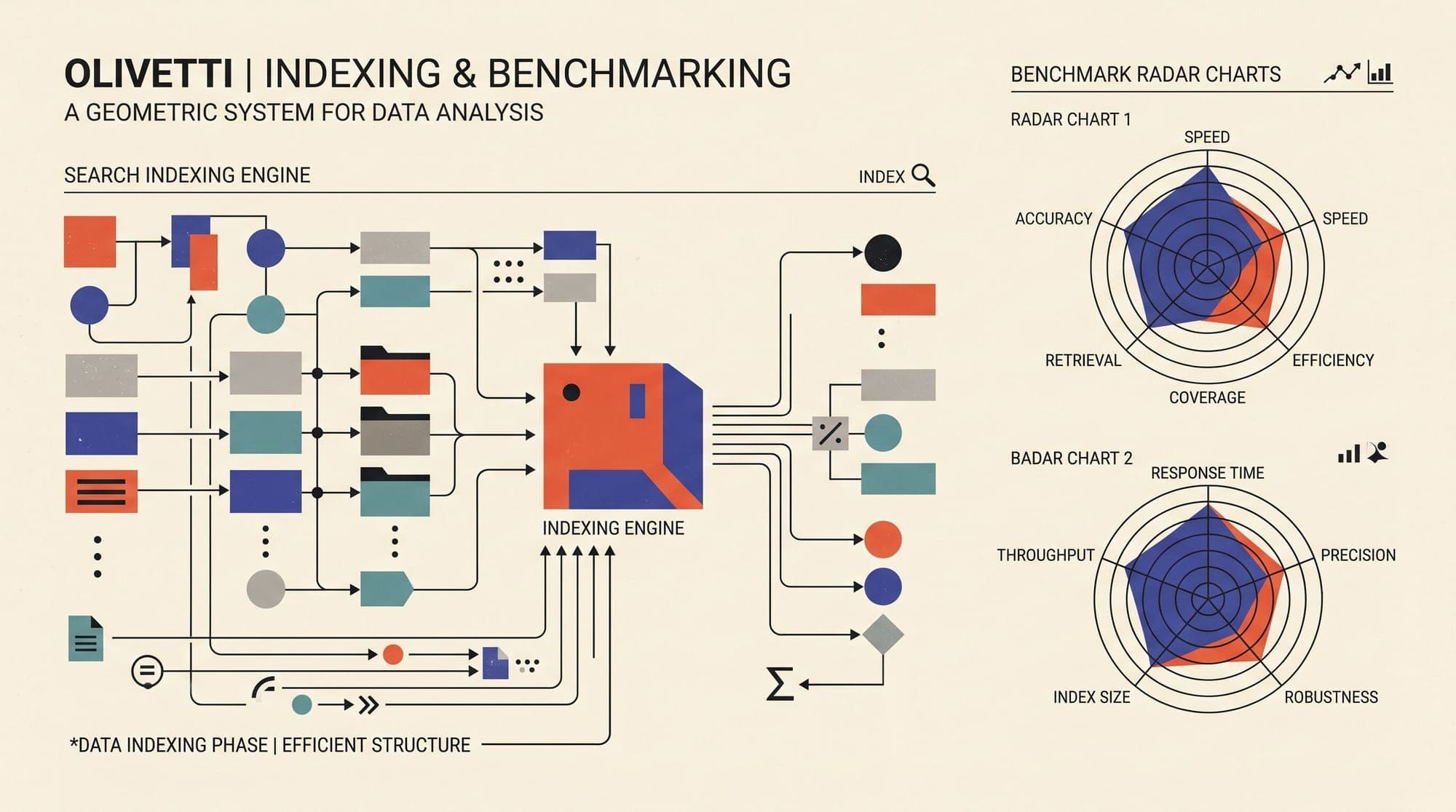
  • Artificial Analysis Launches Search Index Benchmark for AI Agent Search APIs

    Artificial Analysis has released the Search Index, a benchmark suite designed to evaluate web search APIs for autonomous AI agents across retrieval quality, query latency, and end-to-end task economics. The initial evaluation tests seven dedicated search providers: Parallel, Exa, Firecrawl, You.com, Tavily, Keenable, and Brave. Benchmark Setup and Evaluation Methodology To isolate search API performance from model variance, the evaluation executes all tests with GPT-5.6 Luna inside Stirrup,

    1 min
  • LLM-as-a-Judge in Production: Biases, Calibration, and Architectural Trade-Offs

    Automating model evaluation with another language model (the LLM-as-a-judge paradigm) has become the standard mechanism for continuous integration, regression testing, and RLHF alignment across production AI pipelines. Traditional n-gram metrics such as BLEU and ROUGE fail to capture semantic accuracy, stylistic nuance, or complex reasoning, while human evaluation remains too slow and expensive for high-frequency deployment cycles. However, treating an LLM as an impartial arbiter introduces sig

    1 min