Databases5 articles

Databases

Articles

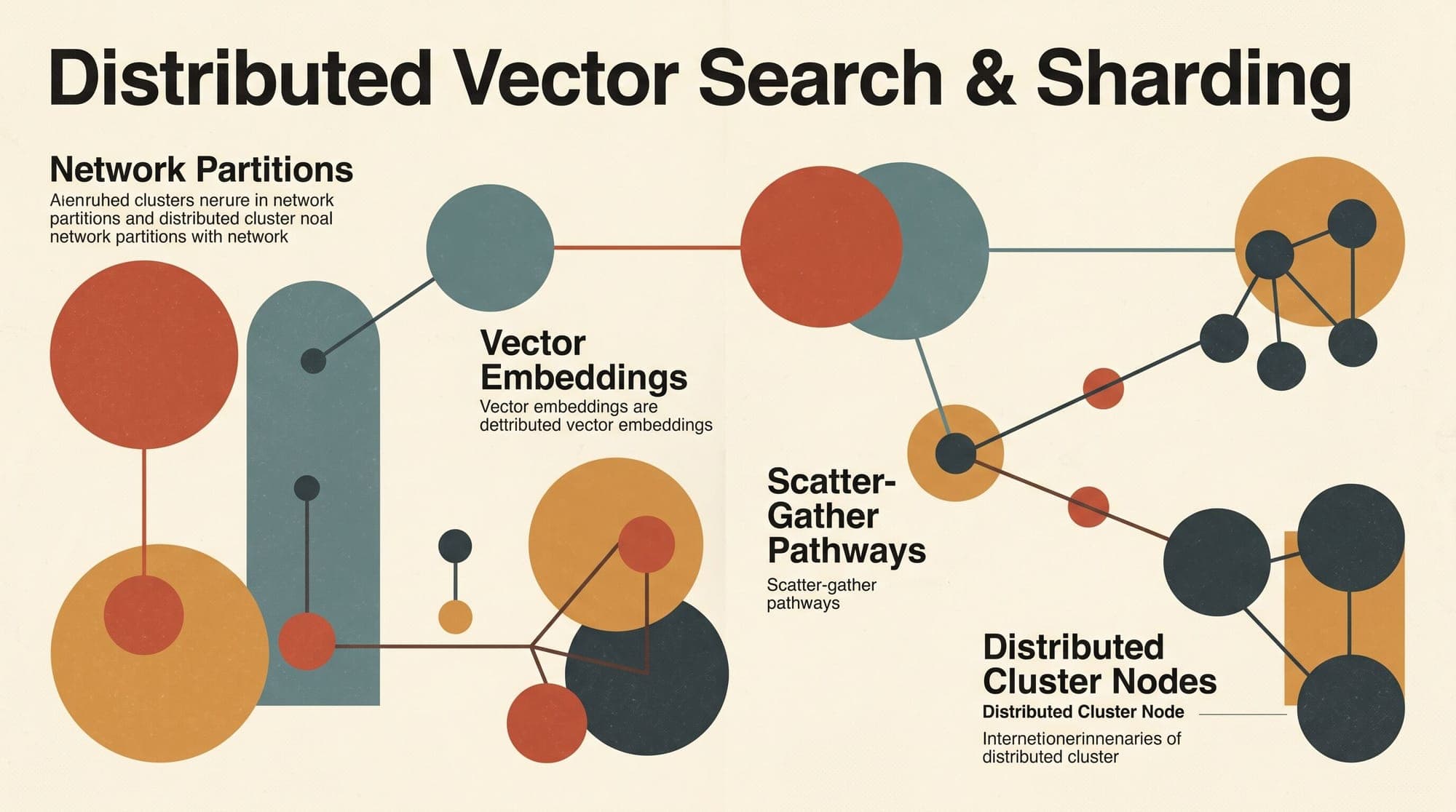
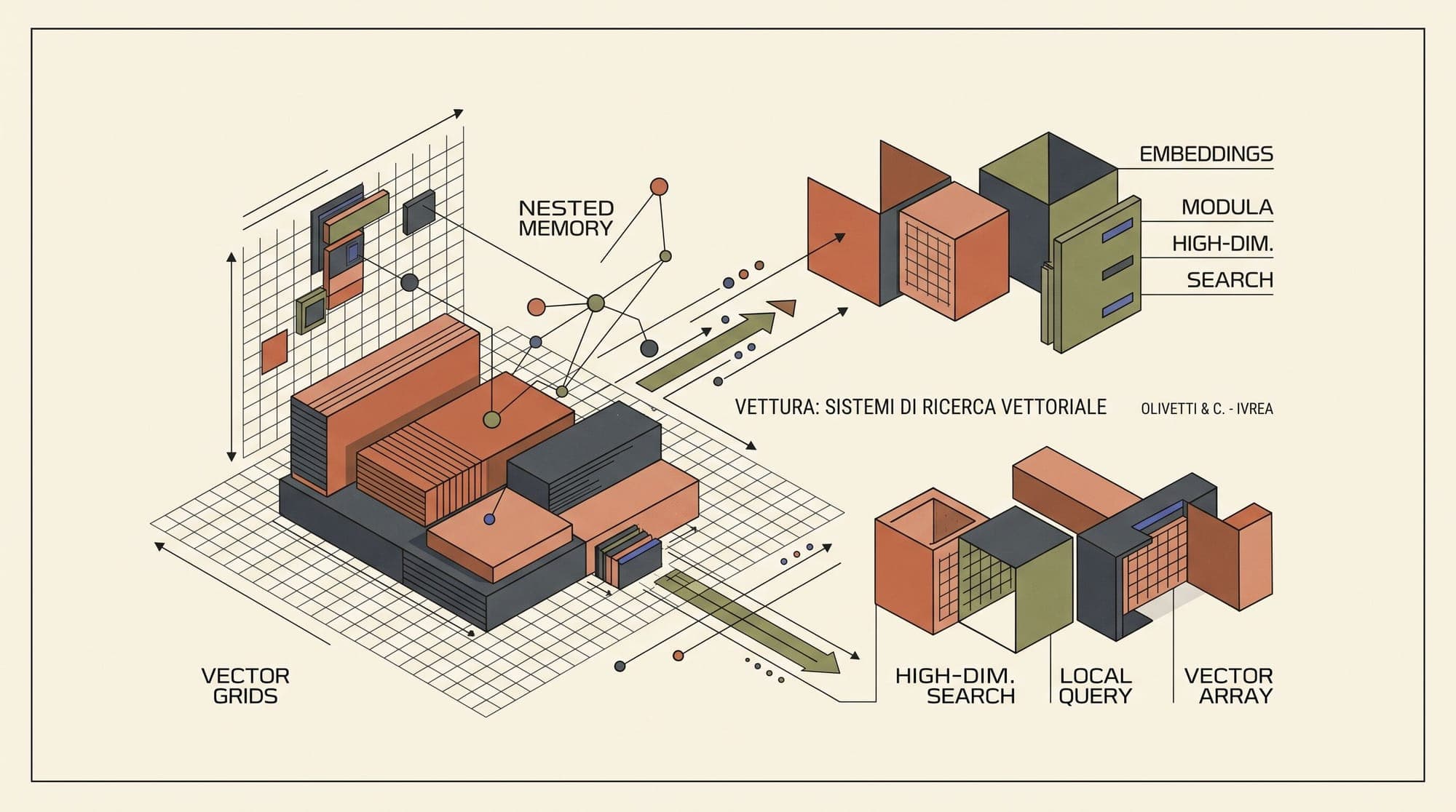
  • Distributed Vector Search and Sharding Architecture in Production: Horizontal Partitioning, Scatter-Gather Tail Latency, Filter-Aware Routing, and Dynamic Rebalancing

    Scaling vector search beyond tens of millions of high-dimensional embeddings inevitably hits a physical boundary: the single-node memory wall. Because graph-based approximate nearest neighbor (ANN) algorithms such as Hierarchical Navigable Small World (HNSW) require random memory access patterns across graph vertices and high-dimensional vectors, keeping embeddings and index structures in RAM is critical for sub-20ms query latencies. A collection of 100 million 1,536-dimensional float32 vectors

    1 min
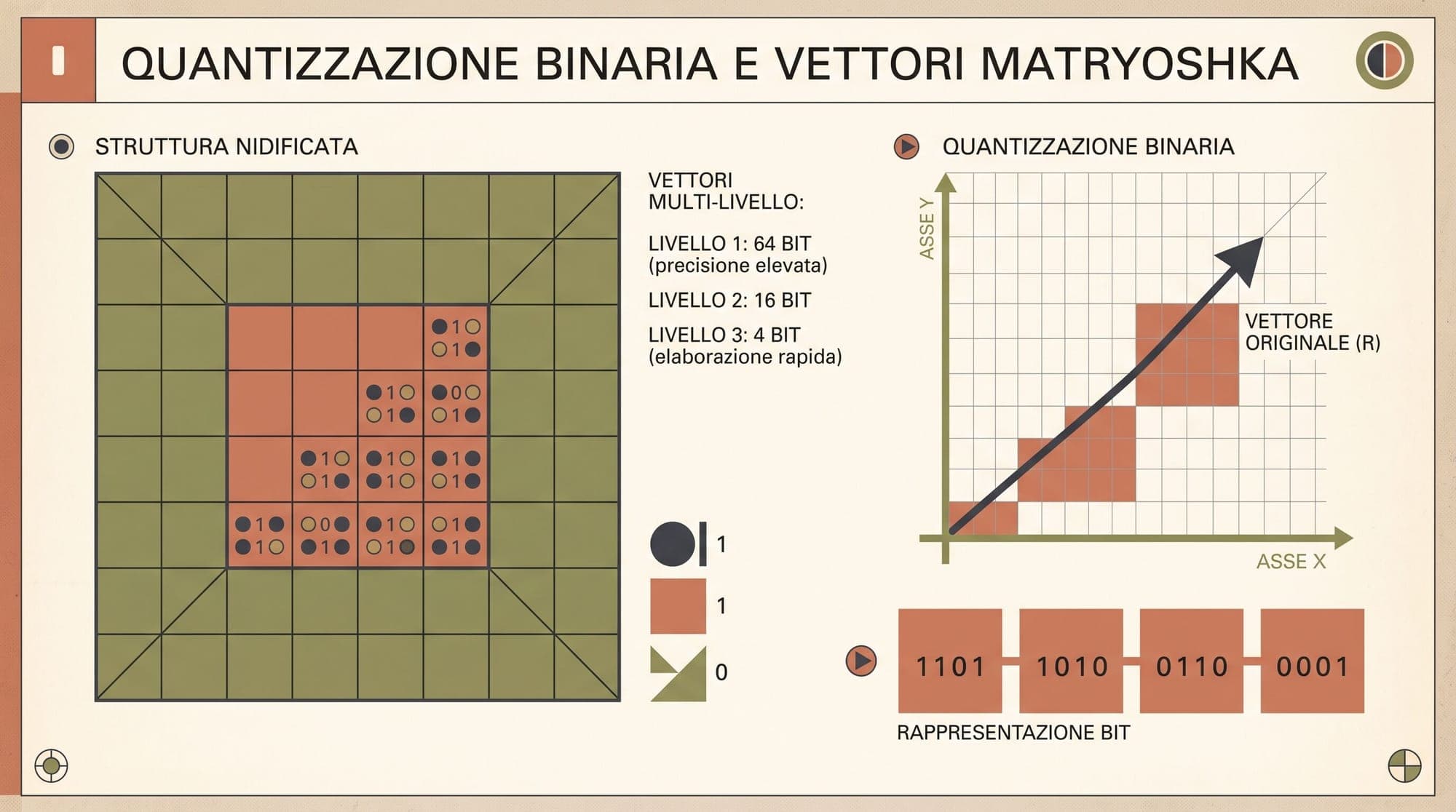
  • Binary Quantization and Matryoshka Embeddings in Production: Two-Stage Rescoring, Hamming Distance Acceleration, and Vector Storage Economics

    Production vector search workloads face a severe memory scaling bottleneck. In retrieval-augmented generation (RAG) and semantic search architectures, indexing tens of millions of high-dimensional embeddings in raw 32-bit floating-point (FP32) format exhausts memory capacity and drives up infrastructure costs. Indexing 100 million 1536-dimensional vectors requires 614.4 GB of RAM purely for vector payloads, before accounting for graph edges and memory fragmentation in Approximate Nearest Neighbo

    1 min
  • Embedded Vector Databases in Production: Comparing LanceDB, sqlite-vec, DuckDB-VSS, and Chroma

    Dedicated, client-server vector databases like Milvus, Qdrant clusters, and Pinecone dominate enterprise discussions around retrieval-augmented generation (RAG). However, production engineering reality increasingly favors a different topology: embedded, in-process vector engines. Running vector search directly inside the application process eliminates network round-trip overhead (typically 15-50ms over cross-datacenter or cloud VPC hops), removes dedicated database infrastructure management, an

    1 min
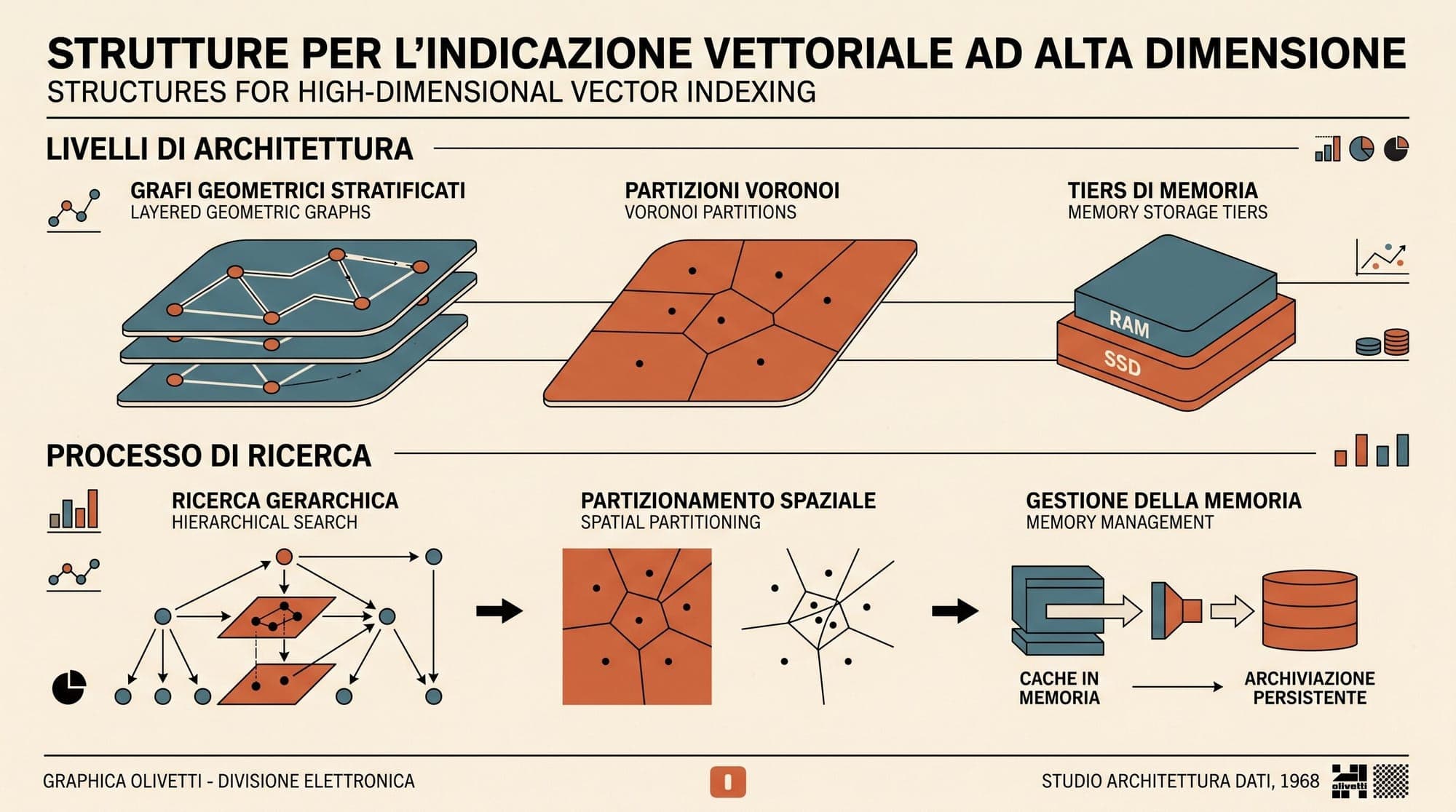
  • Vector Indexing in Production: HNSW vs. DiskANN vs. IVF-PQ Architecture, Memory Footprint, and Search Economics

    Vector Indexing in Production: HNSW vs. DiskANN vs. IVF-PQ Architecture, Memory Footprint, and Search Economics Scaling vector search beyond prototype deployments exposes a fundamental tension across three competing constraints: retrieval recall, query latency, and memory footprint. In high-dimensional representation spaces, exact k-nearest neighbor search via brute-force flat scans requires $O(N \cdot d)$ floating-point operations per query. For a corpus of 100 million 1536-dimensional FP32 em

    1 min
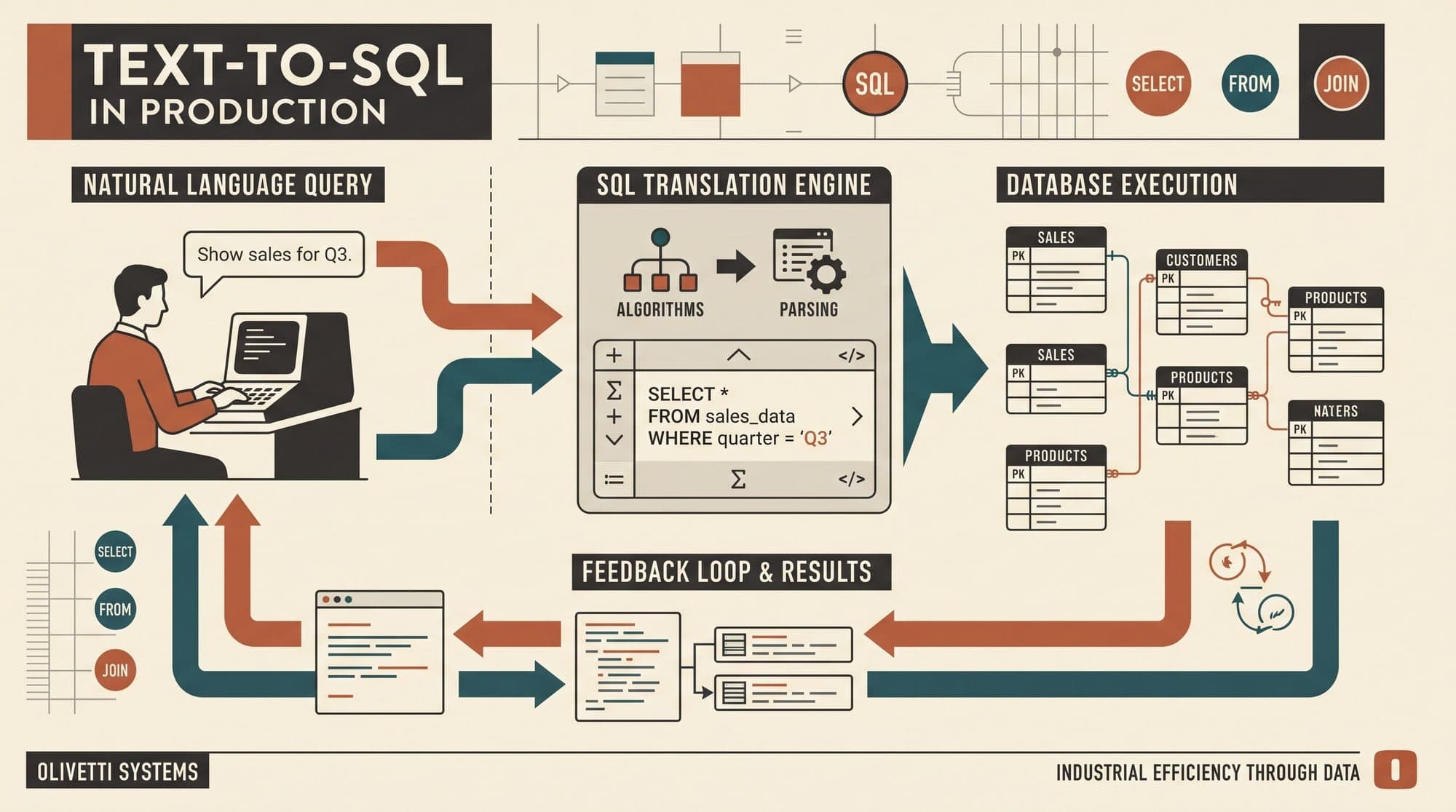
  • Text-to-SQL in Production: Schema Linking, Value Retrieval, and Execution-Guided Self-Correction

    Translating natural language into executable database queries is one of the most widely deployed applications of large language models in enterprise software. It is also one of the most brittle. On synthetic academic benchmarks such as Spider 1.0, frontier models regularly exceed 90% execution accuracy. However, evaluating those same models on realistic enterprise estates yields a steep drop. On the Spider 2.0 benchmark, which evaluates real-world data warehouses spanning BigQuery and Snowflake

    1 min