The United Kingdom and Ukraine have signed a bilateral artificial intelligence defense partnership, granting British researchers and defense contractors access to Ukraine's battlefield data platform, Avengers AI Labs.
The agreement was signed in Kyiv by British Prime Minister Andy Burnham and Ukrainian President Volodymyr Zelenskyy during Burnham's first official overseas visit. Under the framework, Britain becomes the first international partner permitted to access Ukraine's operational datasets to train and evaluate defense-focused computer vision and edge AI models.
Avengers AI Labs and Operational Scale
Ukraine established the Avengers AI Labs platform to centralize data collected across the front line. According to Ukraine's Ministry of Defence, the platform houses an annotated dataset containing over 5 million battlefield images and sensor streams, primarily sourced from the military's DELTA situational awareness and combat management network.
Data streams feeding the system include:
- Daylight optical and infrared feeds from reconnaissance and strike unmanned aerial vehicles (UAVs).
- Frontline sensor networks tracking armored vehicles, artillery installations, and air defense systems.
- Aerial target telemetry capturing Shahed loitering munitions and cruise missiles.
Ukrainian officials state that computer vision models trained on this corpus are currently deployed within an automated target-detection pipeline. The system processes more than 100,000 drone video feeds monthly, achieving a reported 70% real-time identification rate for hostile equipment and personnel in contested sectors.

Initial Pilot Programs and Silicon Research
The bilateral agreement establishes joint engineering cells involving military specialists, academic institutions, and commercial defense tech startups from both countries. Initial deployment trials focus on two key areas:
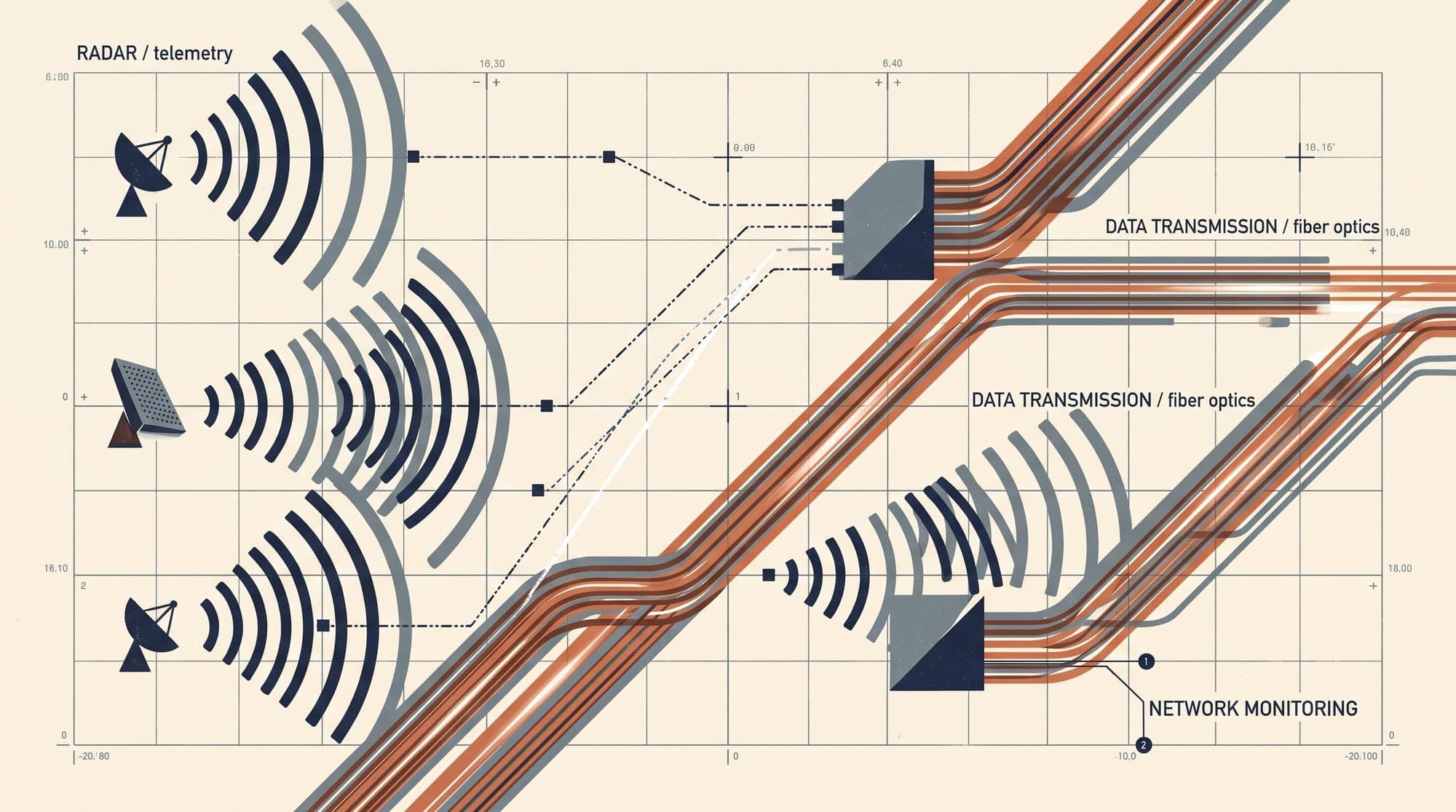
- Distributed Acoustic and Seismic Perimeter Sensing: Bristol-based startup Sintela, alongside Oxford's Mind Foundry and London-based Skyral, is testing systems that convert buried optical fiber cables into distributed acoustic sensors. By processing vibration patterns with models trained on Ukrainian movement data, the system detects physical perimeter intrusions around military bases, airfields, and critical infrastructure.
- Low-Power Edge Compute for Contested Environments: Research teams from both nations will collaborate on low-power AI accelerator silicon optimized for small UAVs and unmanned ground vehicles (UGVs). The hardware focus addresses compute constraints under intense electronic warfare (EW), enabling onboard autonomous navigation and target classification without reliance on external satellite or radio links.
The AI agreement follows a separate bilateral authorization permitting missile manufacturer MBDA to share classified technical specifications on British components of the SCALP long-range cruise missile, aiding Ukraine in establishing domestic assembly capabilities.