Edge AI4 articles

Edge AI

Articles

  • Waymo Details Custom 5nm ASIC and Heterogeneous Compute Architecture for Robotaxis

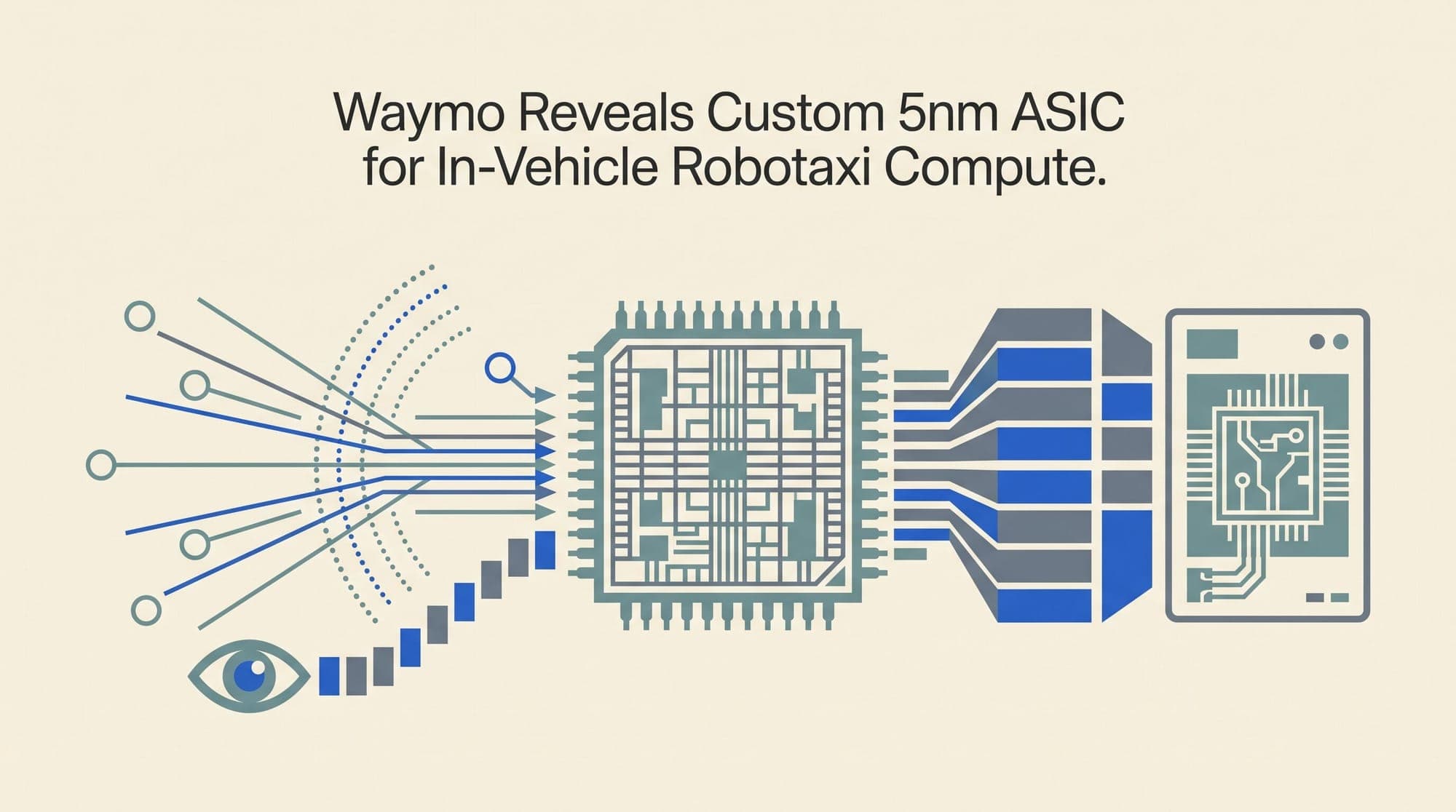
    Alphabet subsidiary Waymo has disclosed the architectural specifications of the computing platform powering its sixth-generation autonomous driving system, revealing a custom 5-nanometer application-specific integrated circuit (ASIC) engineered specifically for front-end sensor ingestion and edge machine learning. The disclosure, authored by VP of Engineering Satish Jeyachandran and Compute Lead Daniel Rosenband, details how the company processes raw data from onboard sensor arrays in real time

    1 min
  • Liquid AI Releases Quantization-Aware Distilled Q4_0 Checkpoints for LFM2.5 Models

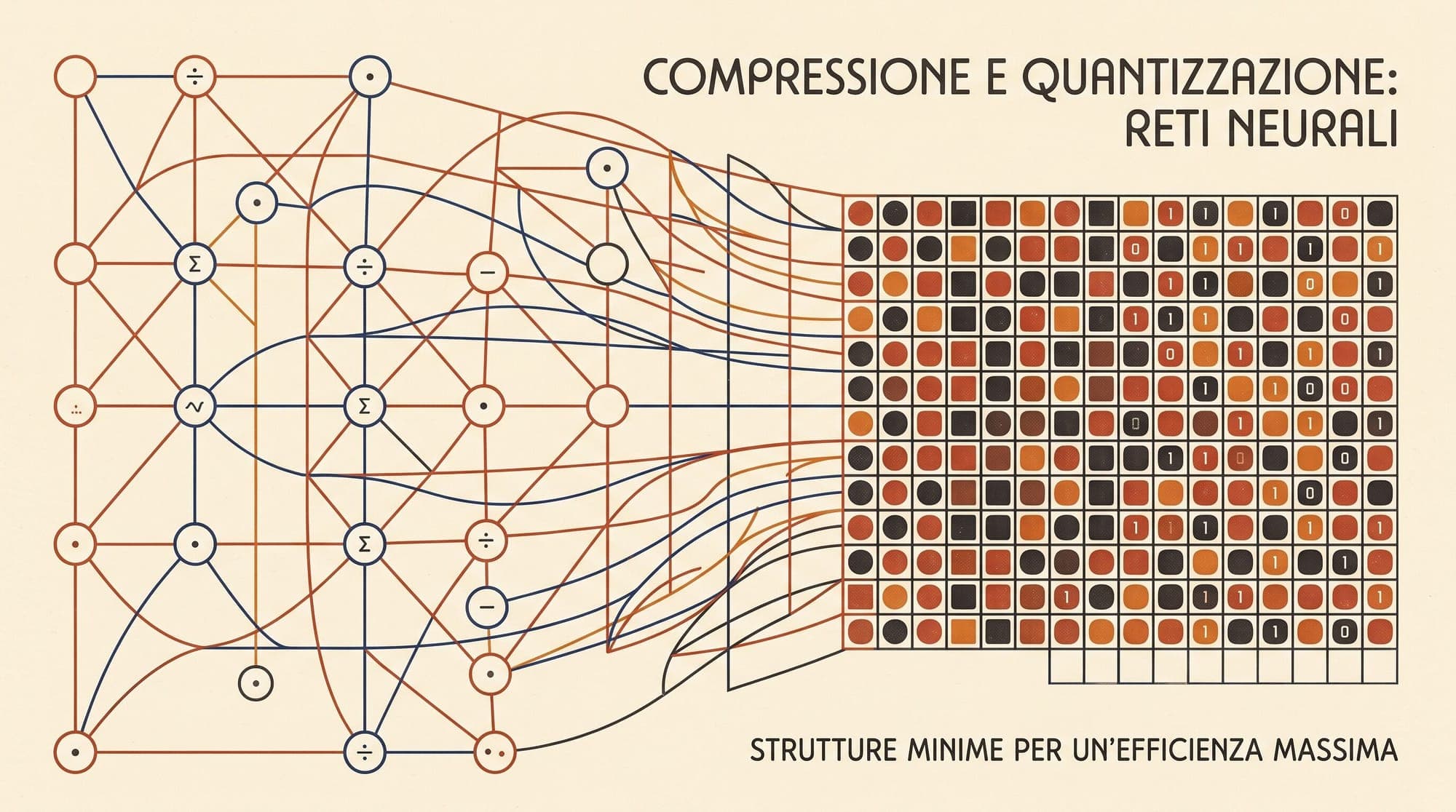
    Liquid AI has released Quantization-Aware Distillation (QAD) Q4_0 GGUF checkpoints for its LFM2.5 model series, allowing edge runtimes to execute 4-bit quantized non-transformer architectures without the accuracy degradation typically associated with standard post-training quantization (PTQ). The release covers four models in the LFM2.5 family: LFM2.5-230M, LFM2.5-350M, LFM2.5-1.2B-Instruct, and LFM2.5-2.6B. The checkpoints are packaged in the standard GGUF format and run across llama.cpp and c

    1 min
  • On-Device LLM Inference in Production: Architecture, Runtimes, and Hardware Constraints

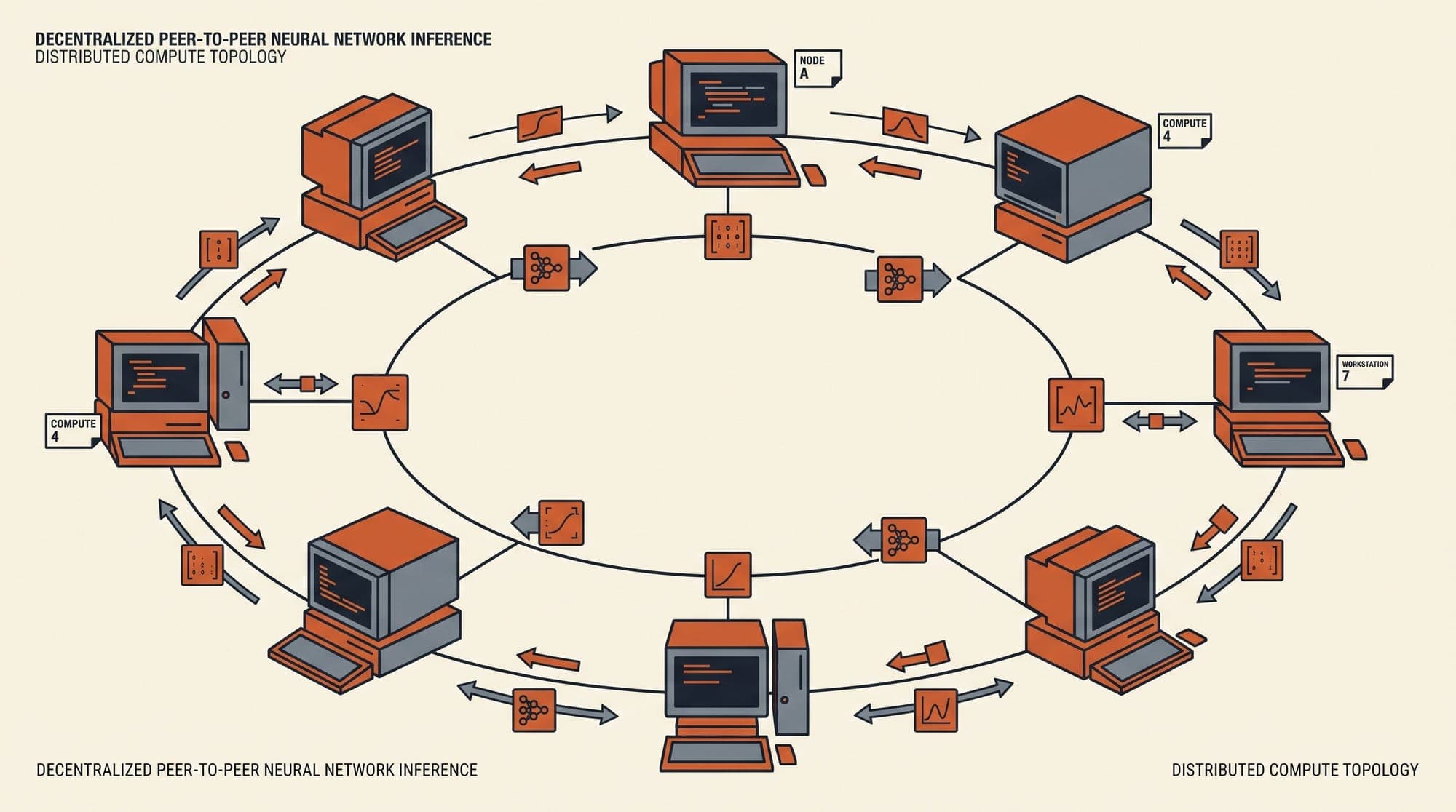
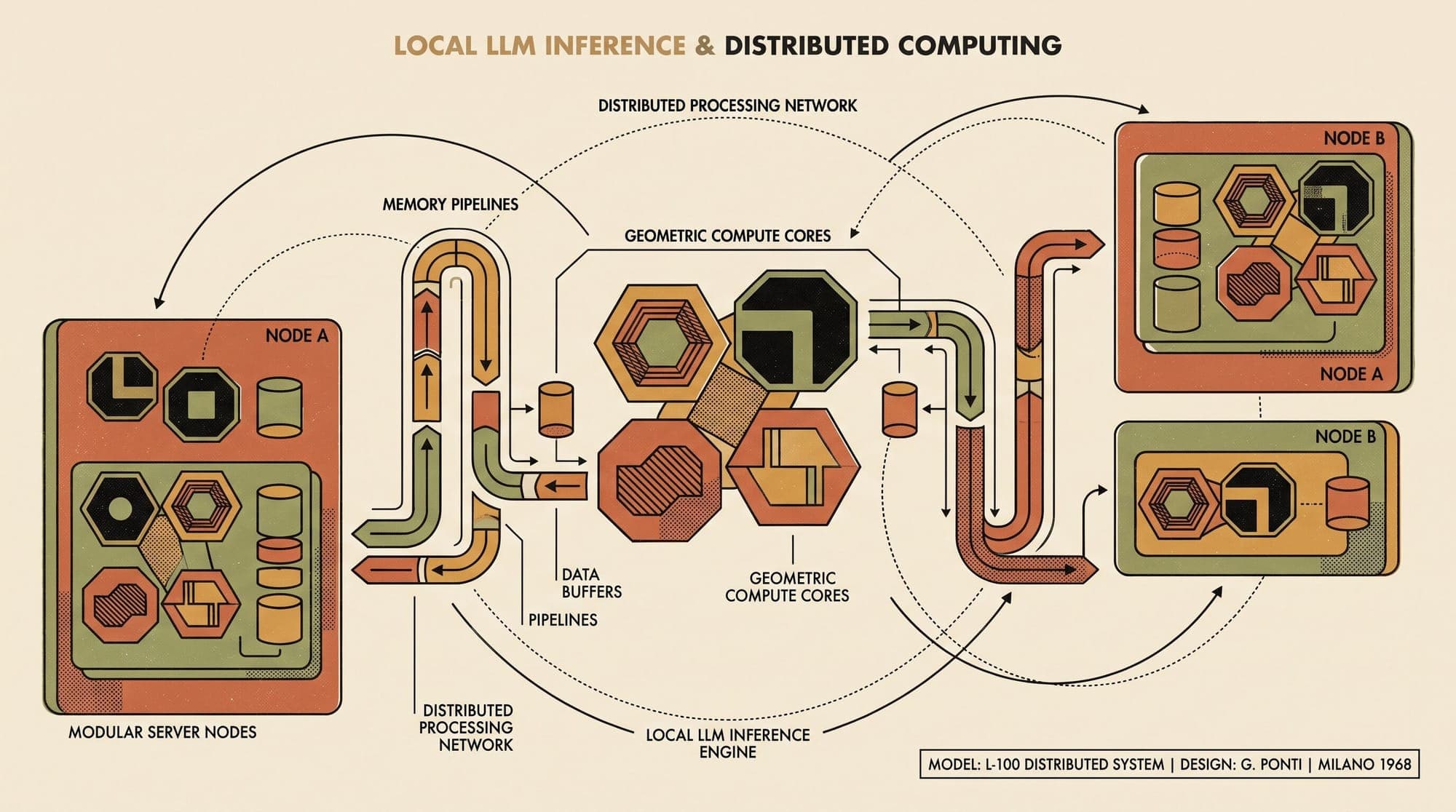
    Deploying generative language models directly onto edge devices such as smartphones, laptops, embedded systems, and browser sandboxes marks a fundamental shift in AI systems engineering. Moving inference from centralized GPU clusters to client silicon eliminates cloud API costs, cuts network latency to zero, guarantees data privacy by keeping user inputs local, and enables offline functionality. However, executing modern autoregressive models on resource-constrained client hardware presents str

    1 min
  • Liquid AI ships LFM2-VL-3B, a 3B vision model built for the edge

    Liquid AI has released LFM2-VL-3B, a 3 billion parameter vision-language model designed to run on edge hardware rather than in a data center. It is the largest model in the company’s LFM2-VL family, which previously topped out at 1.6B parameters, and is available now under the LFM Open License on Hugging Face and through Liquid AI’s LEAP platform. The model pairs Liquid AI’s densest text backbone, LFM2-2.6B, with a SigLIP2 400M NaFlex vision encoder. That combination lets it take in images at t

    1 min