The U.S. National Science Foundation launched a $100 million program on August 4 to build state and regional AI infrastructure hubs, with NVIDIA, AMD, Intel, and Dell Technologies among the private-sector partners.
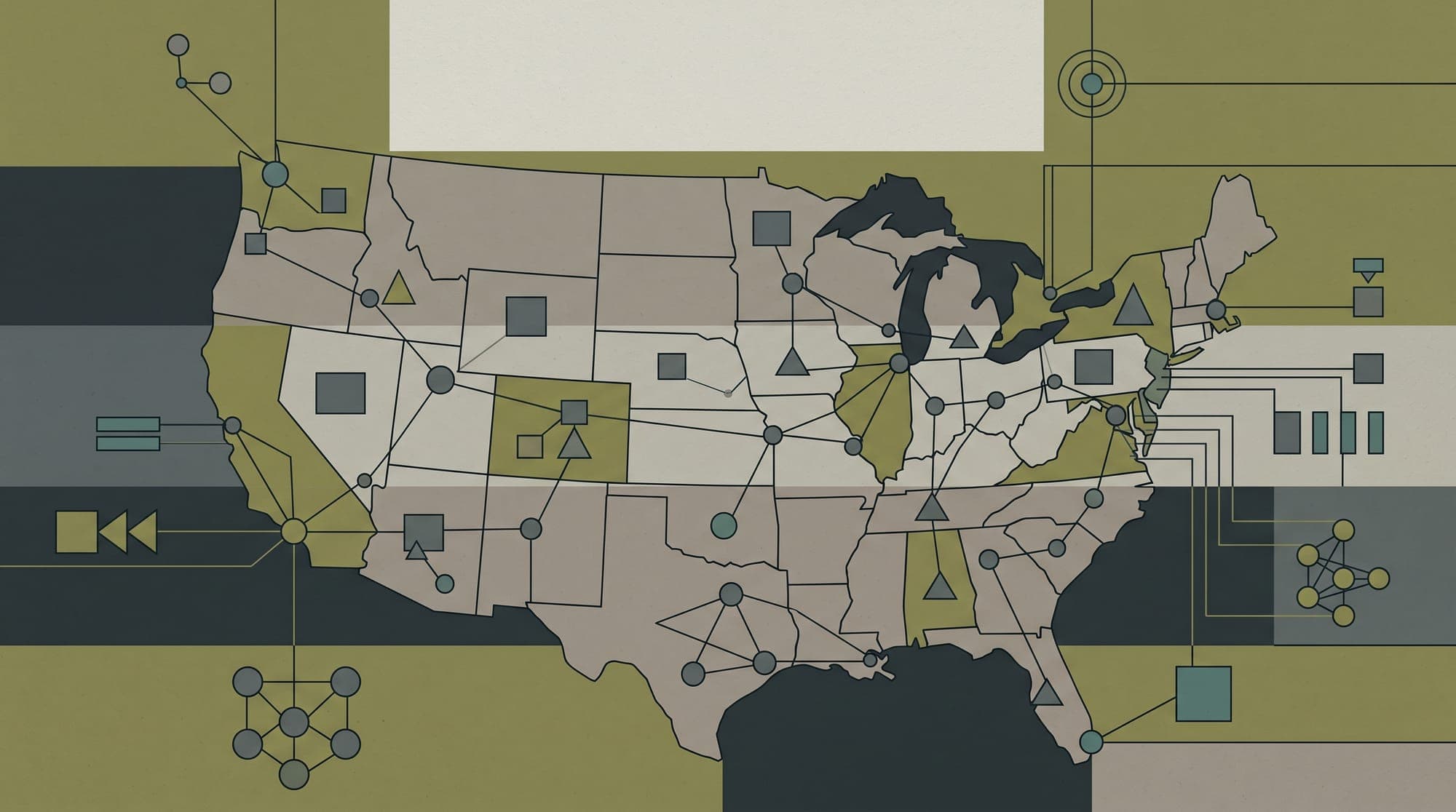
The NSF State and Regional Artificial Intelligence Infrastructure Hubs program will fund up to 10 regional consortia that pool compute, data, and expertise for researchers, students, and educators who currently lack access to AI-scale computing resources.
Public-private cost share
The program uses a cost-share model. State or multistate consortia, drawing contributions from universities, state and local governments, philanthropies, and industry, will build and operate the actual compute infrastructure. NSF's $100 million funds the connective tissue: consortium coordination, workforce development, and faculty training. One award will be made per state or region.

"Artificial intelligence is transforming how we conduct research, accelerate scientific discovery and address complex challenges across disciplines," said Brian Stone, performing the duties of the NSF director.
NVIDIA said it will contribute training resources, educator enablement, applied learning content, technical guidance, and partner platforms to participating hubs. AMD, Intel, Dell Technologies, Hangar, and the Secunda Innovation Fund are also named as supporters.
Built on existing templates
The hub model traces back to a 2020 partnership between NVIDIA, cofounder Chris Malachowsky, and the University of Florida, which turned UF into what NVIDIA calls the country's first AI-integrated university. That initiative now includes more than 300 AI-focused faculty across all 16 colleges and has drawn over $511 million in AI research awards since 2017.
The program also extends the NSF-led National Artificial Intelligence Research Resource (NAIRR) pilot, which backed more than 700 research projects over two years. NSF encourages the new hubs to integrate with NAIRR, which would let regional consortia tap additional compute capacity and share datasets.
Part of the White House Genesis Mission
The hubs program supports the White House-led Genesis Mission, the national AI-for-science effort established by executive order in November 2025. It also responds to a July 2026 White House Office of Science and Technology Policy report calling for expanded R&D infrastructure.
"Regional partners who share in the benefits of discovery will pool their resources to unlock compute at a scale that no individual stakeholder, and no federal program, could achieve alone," said OSTP Director Michael Kratsios.
NSF is leaving the infrastructure design to the regions. Consortia can run on-premises systems, cloud computing, or a combination, designing resources around regional economic priorities. The solicitation number is NSF 26-513, with an initial cohort of up to 10 hubs.