Anthropic has expanded its Claude for Teachers program from individual educator access to a centralized, district-wide Enterprise offering for K-12 public and private schools. Qualifying educational organizations that enroll before June 30, 2027 receive one year of free enterprise access across their instructional and administrative staff.
The update introduces centralized administrative controls, domain capture, single sign-on (SSO), role-based access control, and dedicated K-12 terms aligned with the Family Educational Rights and Privacy Act (FERPA).
Centralized Management and Domain Capture
When Anthropic launched Claude for Teachers in July 2026, verification was handled on an individual teacher basis, leaving district IT departments without administrative governance, unified provisioning, or visibility into tool usage.

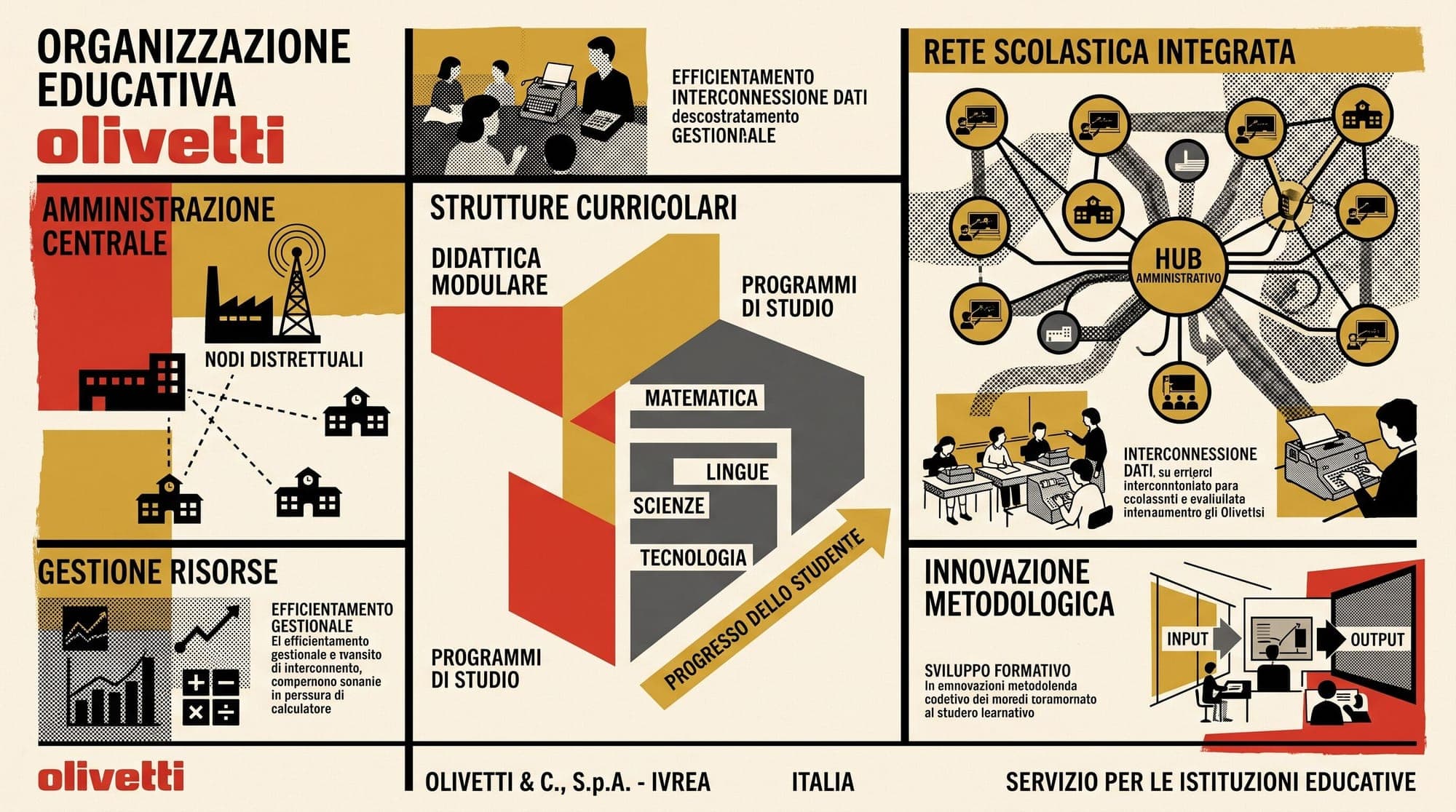
Under the district-level framework, authorized administrators verify their institution through Anthropic's verification partner Goodstack and establish domain-level DNS validation. Key organizational features include:
- Domain Capture: Automatically consolidates existing educator accounts registered under school email domains into the district's managed organization.
- Enterprise Controls: Provides single sign-on (SSO), role-based provisioning, directory sync, and centralized policy enforcement.
- Product Access: Enrolled staff receive access to Claude Enterprise interfaces across web, desktop, and mobile, including Claude Code, Cowork, Claude Design, and pedagogical plugins.
- Billing Controls: Usage limits match individual Claude for Teachers accounts at zero cost, with overage billing disabled by default unless an administrator explicitly opts in.
Data Privacy and FERPA Compliance
Under the formal K-12 terms and Data Processing Agreement (DPA), the school or district acts as the data controller while Anthropic operates as a data processor.
Anthropic confirmed that inputs and outputs generated within Claude for Teachers are not used to train its frontier models. The system does not sell educator or student data, does not serve advertising, and restricts account access strictly to educators and school staff aged 18 and older. Direct student accounts are not included in the platform.
New Pedagogical Skills and District Pilots
Alongside the enterprise administrative rollout, Anthropic introduced two new classroom workflows co-developed with Learning Commons:
- Lesson Preparation: A structured workflow designed to scaffold instructional delivery around complex curricular concepts.
- Check-for-Understanding: A diagnostic tool that generates short, standards-aligned formative assessment checks, launching initially for mathematics.
Anthropic also updated its Claude for K-12 Academy repository with open-source workflow templates and curriculum guides aligned to state standards across all 50 U.S. states. The company is conducting a formal pilot evaluation with the Detroit Public Schools Community District during the upcoming school year to assess the platform's operational impact on educator workload and classroom practice.