No content.

Written by

More to read
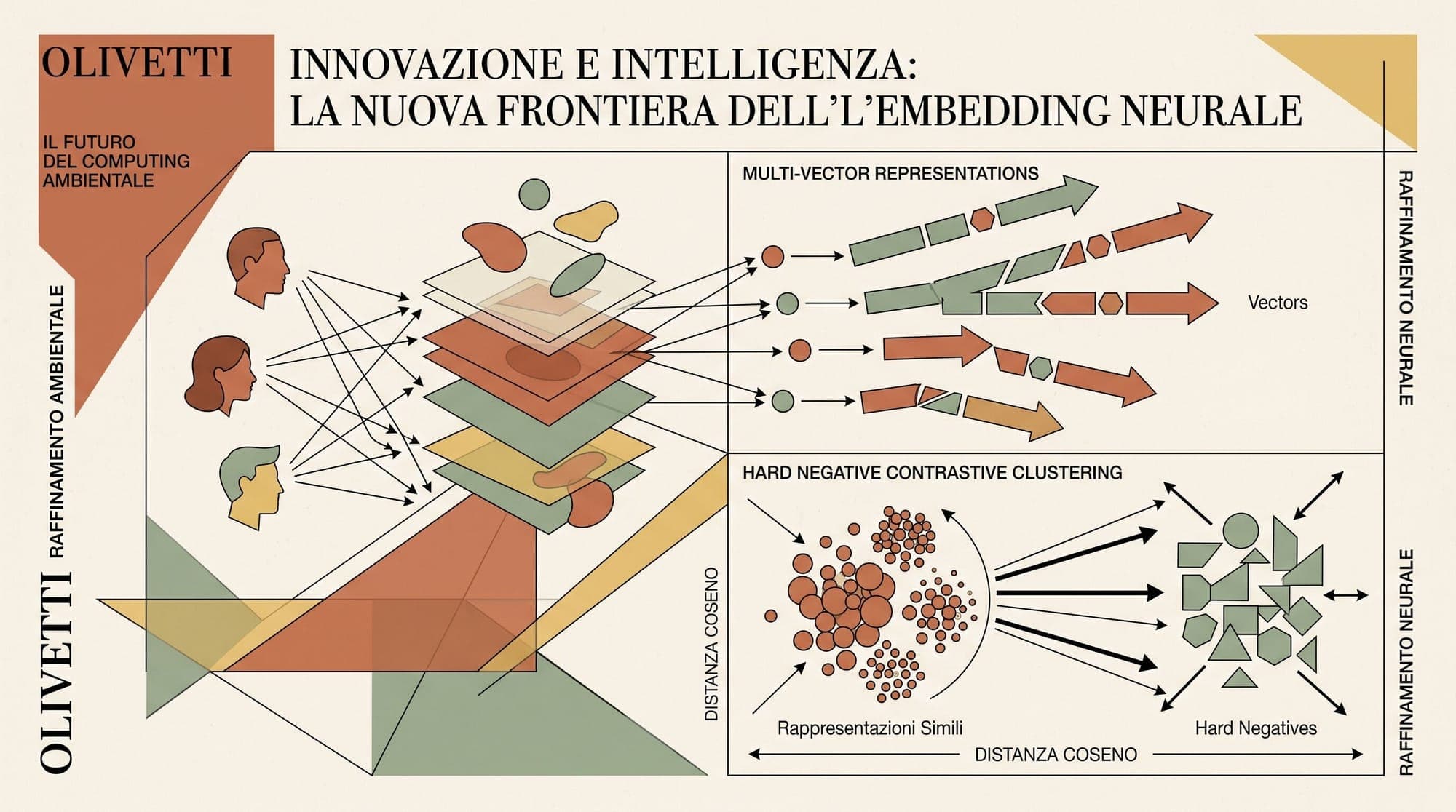
Embedding Model Fine-Tuning in Production: Hard Negative Mining, Synthetic Data Pipelines, and Contrastive Distillation
Production retrieval-augmented generation (RAG) and semantic search architectures frequently suffer from domain mismatch when relying on general-purpose embedding models. Off-the-shelf bi-encoders trained on broad web corpora often experience a 15% to 30% degradation in retrieval metrics such as NDCG@10 and MRR@10 when deployed on specialized enterprise corpora, including proprietary codebases, internal API schemas, clinical trials, and technical documentation. While downstream cross-encoder re
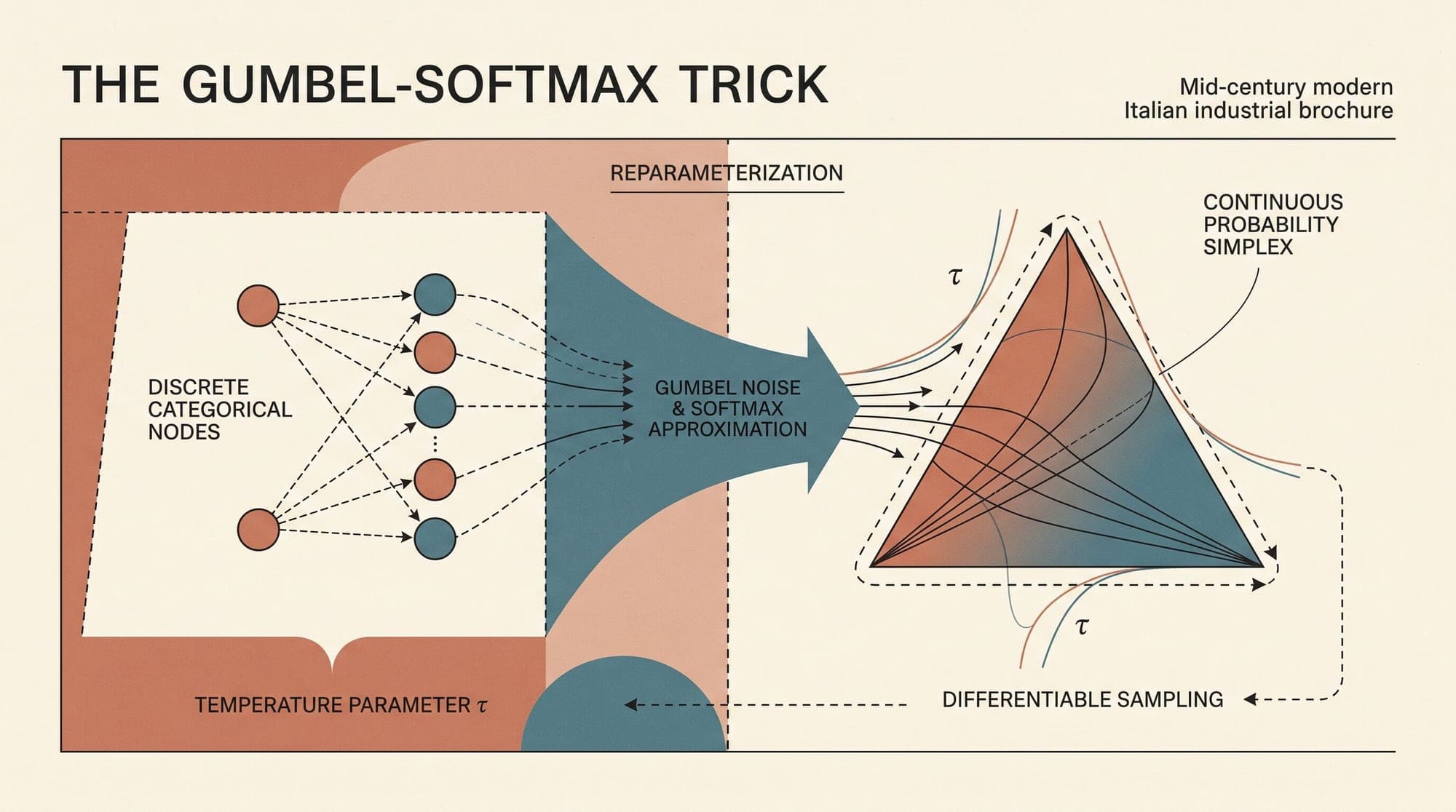
1 minThe Gumbel-Softmax Trick: How Continuous Relaxations Enable Differentiable Discrete Sampling
The Gumbel-Softmax Trick: How Continuous Relaxations Enable Differentiable Discrete Sampling In modern deep learning, end-to-end training depends on reverse-mode automatic differentiation. When an architecture operates on continuous tensors, computing gradients via the chain rule is straightforward. However, many foundational artificial intelligence problems involve discrete choices: selecting tokens from a fixed vocabulary, routing tokens to expert networks in a Mixture-of-Experts (MoE) archit
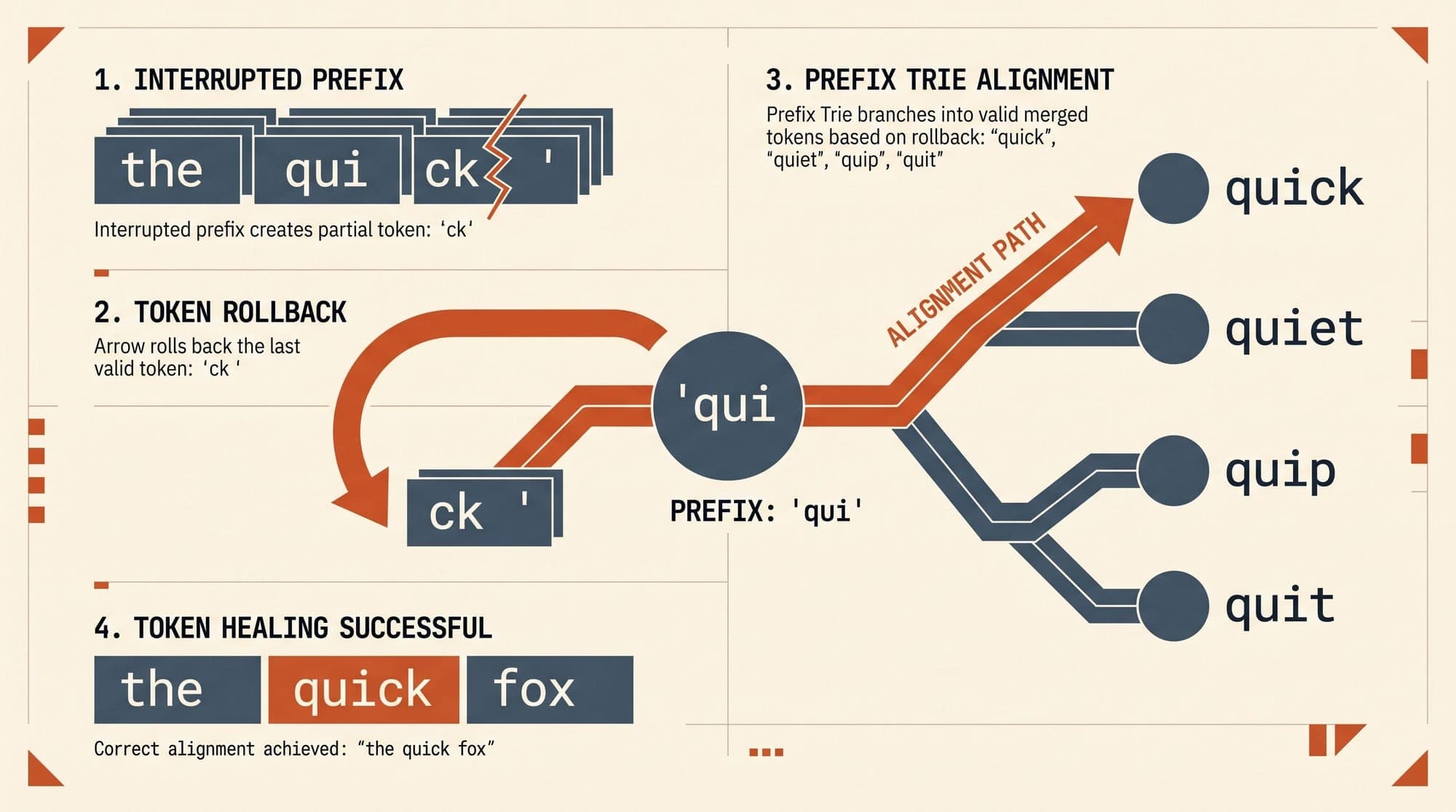
1 minToken Healing and Partial Token Alignment in Production LLM Serving: Architecture, Prefix Trie Rollback, and Serving Trade-Offs
Modern large language models operate on discrete subword tokens generated by greedy compression algorithms like Byte-Pair Encoding (BPE), WordPiece, or Unigram. While subword tokenization enables high compression rates and fixed vocabulary sizes, it introduces a structural defect at the interface between raw user text and autoregressive inference: the partial token problem, commonly known as the prompt boundary problem. When a user prompt terminates mid-token or at a punctuation boundary that c
1 min