Starting August 14, 2026, Anthropic will switch Claude Code's default permission mode to Auto Mode for Pro, Max, and Team plan users, the company announced on its blog. The change replaces the manual approval prompt that has governed every Claude Code session since the CLI launched.
What Auto Mode Does

Auto Mode routes every tool call through a classifier that screens for irreversible, destructive, or externally-aimed actions. When the classifier blocks something, Claude attempts a safer alternative or asks for permission. After repeated blocks, the session falls back to manual approval.
The classifier overhead — a small number of extra tokens per tool call — will no longer count against usage limits for Pro, Max, and Team plans. Enterprise customers will need to opt in; API users will receive the change once Auto Mode becomes default for those tiers.
Safety Data Behind the Switch
Anthropic cites three evaluations:
1. Controlled study (1,053 paid testers): Human reviewers caught 13.6% of dangerous commands. Auto Mode caught 89%. Human performance fell to roughly 5% after 50 prompts.
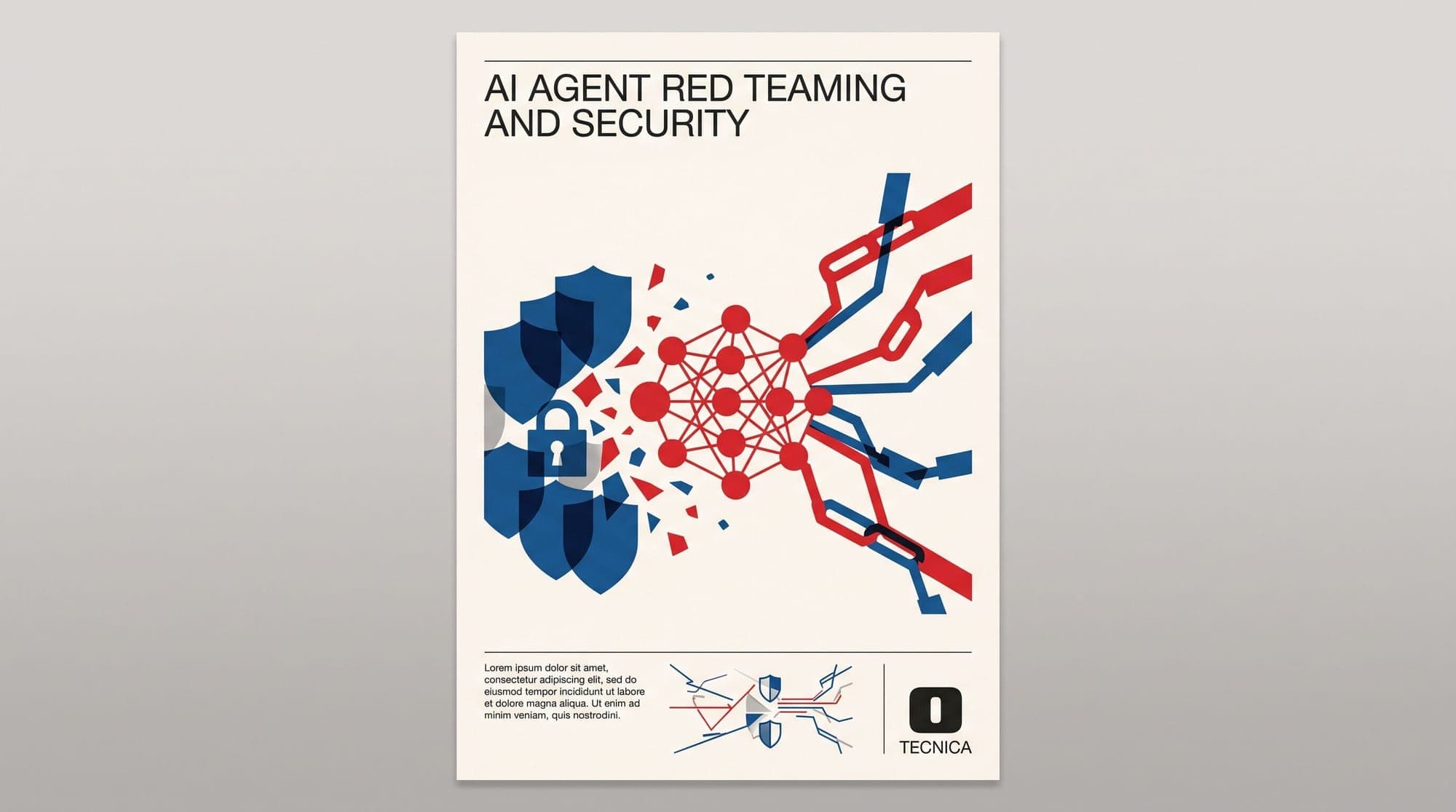
2. Internal red-teaming: Auto Mode stopped Claude from uploading confidential data to a public page and killed roughly 2,000 processes that would have disrupted ongoing GPU training jobs.
3. Independent audit by Trajectory Labs: 72 prompt-injection scenarios × 10 runs each = 720 attempts against Claude Fable 5, Opus 5, and Sonnet 5 in Auto Mode. Zero succeeded. For comparison, OpenAI's GPT-5.6 Sol in Codex Auto-Review mode allowed 5.83% of attacks through.
Productivity Impact
Teams using Auto Mode generated approximately 25% more pull requests, according to Anthropic's internal data. The company argues that reducing approval friction makes long-running agent work more practical, building on features like routines, voice mode, and the in-app Mac browser.
Caveats
Anthropic acknowledges the classifier does not eliminate risk. "For high-stakes changes to production infrastructure, we still recommend reviewing Claude's actions yourself," the blog post states. The company also notes that less frequent human intervention makes oversight harder to maintain — a paradox for teams relying heavily on Auto Mode.
Sources
Anthropic blog: Auto Mode Default in Claude Code — https://claude.com/blog/auto-mode-default-in-claude-code
The Decoder: Anthropic sets Claude Code to Auto Mode by default — https://the-decoder.com/anthropic-sets-claude-code-to-auto-mode-by-default-to-protect-developers-from-bad-approvals/
9to5Mac: PSA: Claude Code enabling auto mode as default next week — https://9to5mac.com/2026/08/07/psa-claude-code-enabling-auto-mode-as-default-next-week-anthropic-says/
Simon Willison: Auto mode is now the default in Claude Code — https://simonwillison.net/2026/Aug/8/auto-mode/