Veeda AI, a Toronto-based foundation model startup established by former Nvidia AI research executive Sanja Fidler, has raised more than $90 million in seed funding. The round was backed by Khosla Ventures and Radical Ventures, marking one of the largest seed financings recorded in Canada.
Corporate filings reveal that the company, incorporated in June 2026 as Veeda Innovation, issued 60.6 million seed shares priced at $1 each in late July. Concurrent with the share issuance, Veeda added Radical partner Tomi Poutanen and Khosla partner Sven Strohband to its board of directors.
Founding Team and Spatial Intelligence Lineage
Veeda was co-founded by Sanja Fidler alongside former Nvidia colleagues Huan Ling and Zan Gojcic:
- Sanja Fidler (CEO): Spent eight years at Nvidia, founding the company's Toronto research unit and serving as Vice President of AI Research leading the Spatial Intelligence Lab. She remains a computer science faculty member at the University of Toronto and a founding member of the Vector Institute.
- Huan Ling: Previously a senior research scientist at Nvidia's Spatial Intelligence Lab and a doctoral graduate under Fidler's supervision.
- Zan Gojcic: Former Zurich-based Nvidia research director, now serving as managing director of Veeda's Swiss subsidiary.
The company operates offices across Toronto, Mountain View, Singapore, and Zurich, actively recruiting engineering staff to scale compute clusters and curate multimodal training datasets.

The Technical Thesis: Generative Simulation for Embodied Agents
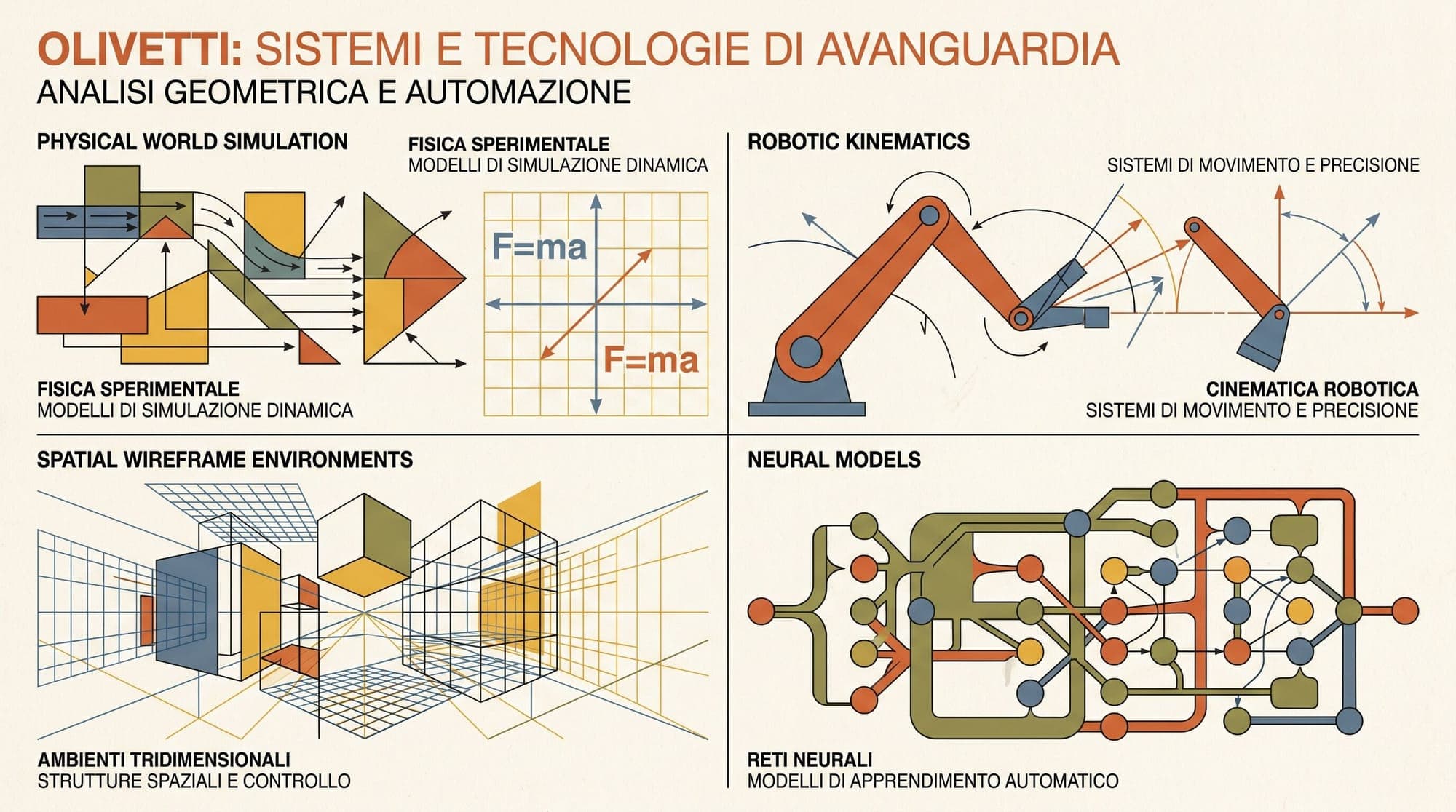
Veeda's technical architecture focuses on multimodal foundation world models designed to simulate physical reality for embodied AI. The premise addresses a fundamental scaling bottleneck in robotics: physical interaction in the real world cannot be parallelized safely or economically. Hardware wear, kinetic risk, and wall-clock time constraints limit real-world trial-and-error training.
By generating interactive, high-fidelity physical simulations, Veeda aims to provide scalable virtual environments where autonomous agents and robotic controllers can train across millions of parallel iterations before hardware deployment. The approach expands on spatial intelligence architectures previously explored by Fidler's group at Nvidia for autonomous driving and humanoid manipulation.
Capital Dynamics in Foundation World Models
The $90 million check reflects the capital-intensive compute and talent demands of training physical AI foundation models. The investment follows active capital allocation across the world model ecosystem, including Yann LeCun's AMI Labs ($1.03 billion in March 2026), Fei-Fei Li's World Labs ($230 million), and autonomous vehicle developer Waabi ($750 million in January 2026, also backed by Khosla and Radical).
For Khosla Ventures and Radical Ventures, the deal deepens a shared thesis around spatial AI and embodied foundation models, following their recent joint backing of Jeff Dean's Discovery Loop.