Valor and Point72 Back General Intuition at B Valuation for Physical AI and Robotics

New York-based foundation model startup General Intuition is in discussions to secure new funding at a $6 billion pre-money valuation, according to sources familiar with the matter. The financing round includes new backing from Valor Equity Partners, Point72 Ventures, and Seven Seven Six, alongside continued participation from existing investors Khosla Ventures and General Catalyst. The potential valuation represents a steep increase from the company's previous financing round, which raised $32

1 min
Valor and Point72 Back General Intuition at B Valuation for Physical AI and Robotics

New York-based foundation model startup General Intuition is in discussions to secure new funding at a $6 billion pre-money valuation, according to sources familiar with the matter. The financing round includes new backing from Valor Equity Partners, Point72 Ventures, and Seven Seven Six, alongside continued participation from existing investors Khosla Ventures and General Catalyst.

The potential valuation represents a steep increase from the company's previous financing round, which raised $320 million at a $2.3 billion valuation earlier in the summer.

Action Labels and Spatial Reasoning Architecture

Video Game Telemetry and Large Action Models

General Intuition was spun out in October 2025 by CEO Pim de Witte from video game clip-sharing platform Medal. The core thesis of the company relies on utilizing hundreds of millions of hours of gameplay footage paired with synchronized action labels: precise records of player keystrokes, controller inputs, and timing.

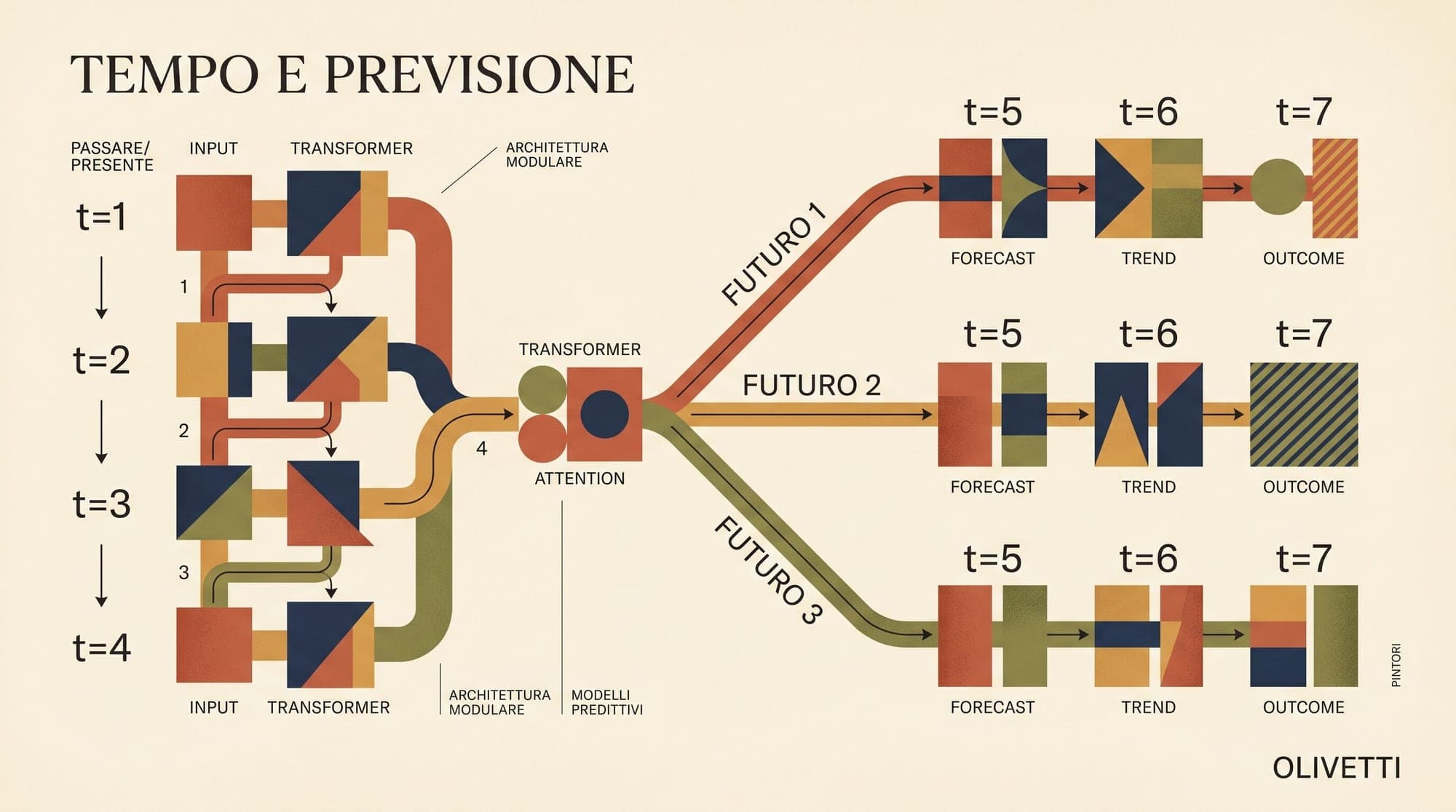
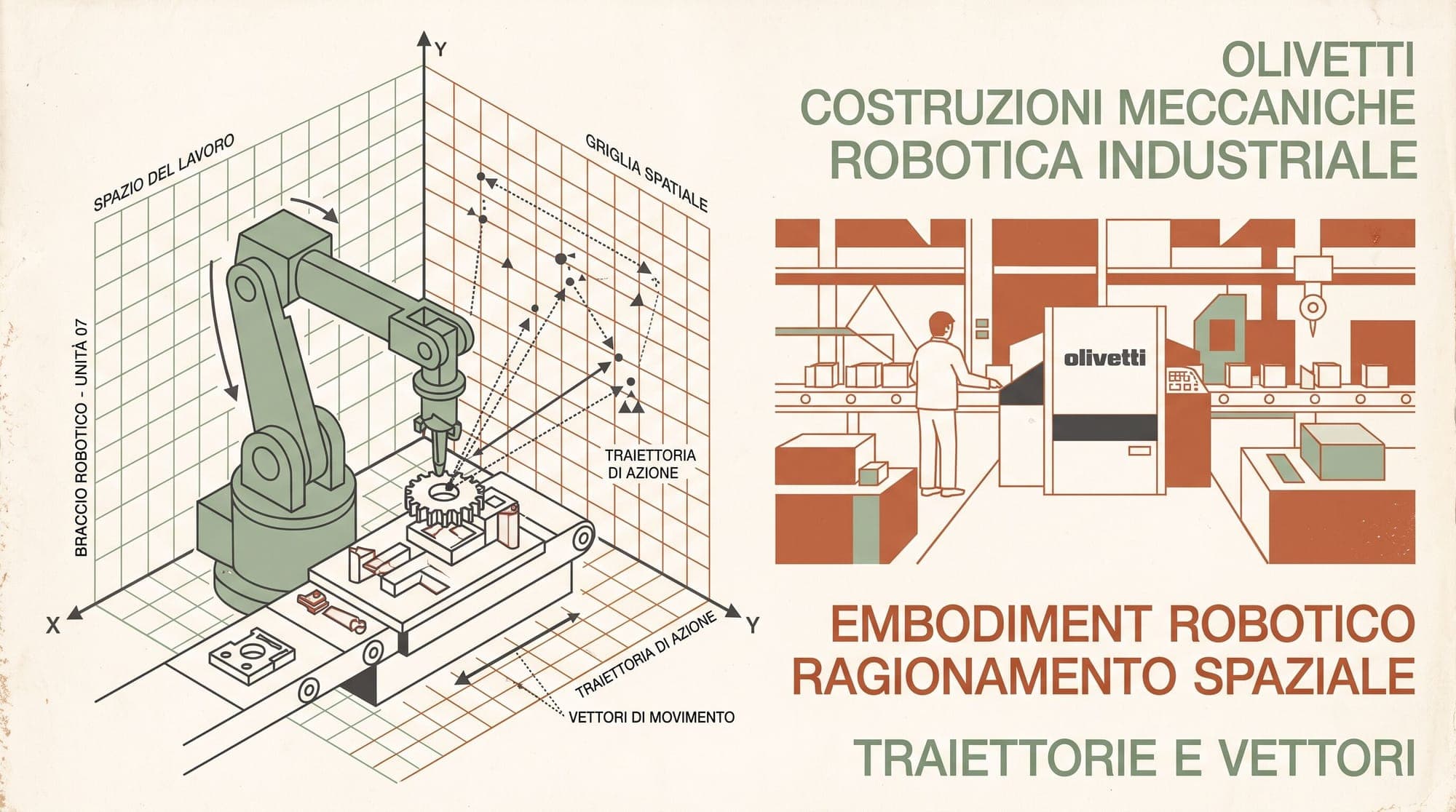
Rather than relying purely on passive video observation or expensive manual robot teleoperation data, General Intuition trains Large Action Models (LAMs) on these interactive state transitions. This approach aims to teach models spatial reasoning, temporal planning, and physics intuition by mapping visual observation directly to concrete motor actions.

Expansion into Robotics and Compute Scaling

The company plans to direct proceeds from the oversubscribed round toward adapting its foundation models for physical robotic embodiments. Translating digital gaming intuition to physical manipulation requires substantial scale in both synthetic training environments and physical fine-tuning.

To support the compute demands of training these large-scale spatial action models, General Intuition maintains an infrastructure partnership with GPU cloud provider CoreWeave.

For Valor Equity Partners, a prominent backer of SpaceX, the investment represents its first direct bet on a standalone frontier AI laboratory.


Sources

Written by

More to read

  • Lancium and NVIDIA Partner on Gigawatt-Scale AI Factories Across 15GW Pipeline

    Texas energy infrastructure provider Lancium has entered a strategic partnership with NVIDIA to deploy NVIDIA's full AI factory technology stack across Lancium's multi-gigawatt clean energy data center portfolio. As part of the transaction, NVIDIA has taken a direct equity stake in Lancium, which is backed by funds managed by Blackstone Energy Transition Partners and Blackstone Multi-Asset Investing. The partnership combines Lancium's 4 gigawatts of operational and leased capacity and a pipelin

    1 min
  • AWS Backs Open Agentic Resource Discovery Specification for Agent Registry Federation

    Amazon Web Services announced support for the Agentic Resource Discovery (ARD) open specification, detailing how the federation standard will integrate with AWS Agent Registry, its managed catalog for AI agents, tools, and skills currently in preview within Amazon Bedrock AgentCore. The alignment targets cross-platform discovery across heterogeneous enterprise stacks. While AWS Agent Registry provides centralized indexing and access controls within an AWS environment, real-world deployments fre

    1 min
  • NVIDIA Groq 3 LPX Enters Full Production Delivering 3,400 Tokens per Second for Agentic Inference

    At Hot Chips 2026, NVIDIA announced that the Groq 3 LPX dedicated inference accelerator has entered full commercial production. Built as a workload-optimized extension to the Vera Rubin data center architecture, the accelerator addresses the decode bottlenecks inherent in multi-step agentic AI workloads by offloading token generation from primary GPU clusters onto specialized Language Processing Units (LPUs). In independent benchmarking conducted by Artificial Analysis, the Groq 3 LPX delivered

    1 min