OpenAI Reinstates 5-Hour Codex and Work Limits for ChatGPT Plus Subscribers

OpenAI has reinstated a rolling five-hour rate limit on Codex and ChatGPT Work for ChatGPT Plus subscribers. The change ends a temporary multi-week period during which the short-term window was suspended and users were constrained only by overall weekly quota ceilings. OpenAI engineering lead Thibault Sottiaux confirmed the reinstatement, stating that re-enforcing the five-hour window is necessary to smooth peak compute load across OpenAI's inference fleet as developer adoption of complex multi

1 min
OpenAI Reinstates 5-Hour Codex and Work Limits for ChatGPT Plus Subscribers

OpenAI has reinstated a rolling five-hour rate limit on Codex and ChatGPT Work for ChatGPT Plus subscribers. The change ends a temporary multi-week period during which the short-term window was suspended and users were constrained only by overall weekly quota ceilings.

OpenAI engineering lead Thibault Sottiaux confirmed the reinstatement, stating that re-enforcing the five-hour window is necessary to smooth peak compute load across OpenAI's inference fleet as developer adoption of complex multi-agent coding sessions and large-context reasoning models expands.

Balancing Agentic Workloads and Fleet Capacity

During the summer trial period, OpenAI removed the five-hour cap to monitor user behavior and assess infrastructure limits following major active user growth across unified developer environments. However, long-running agentic tasks, large codebase indexing, and frequent subagent spawns created spiky GPU utilization patterns.

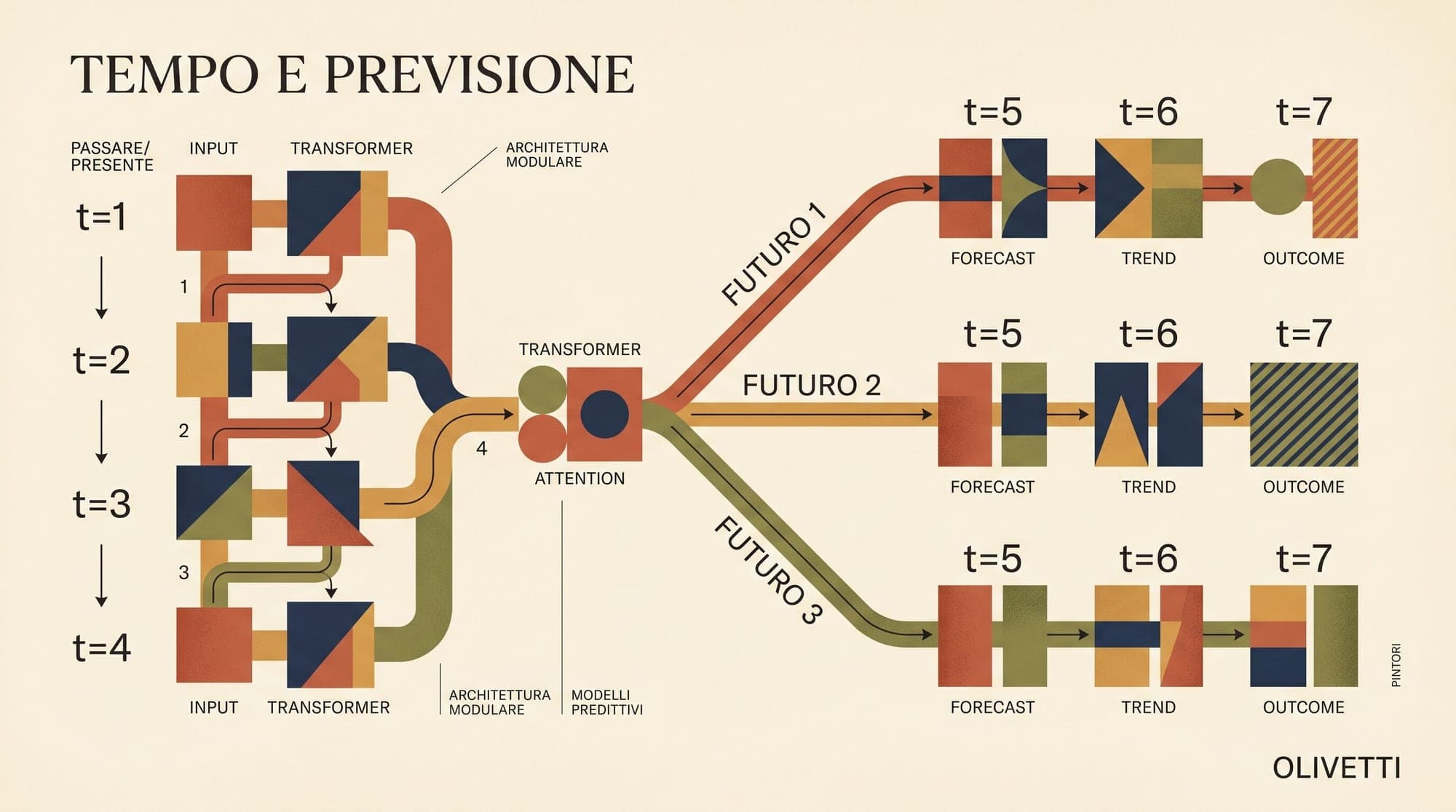
Inference capacity management and rolling usage windows for developer workflows

Under the restored policy:

  • Dual-layer quotas: ChatGPT Plus accounts are subject to both a rolling five-hour limit and a secondary weekly volume cap.
  • Over-limit behavior: Users who hit the five-hour window can wait for the rolling reset or purchase supplemental compute credits.
  • Token optimizations: OpenAI engineers implemented targeted token reduction improvements across reasoning models, including GPT-5.6 Sol, to reduce per-session context overhead.

The restored policy reflects the ongoing tension between offering unrestricted interactive developer workflows and managing cluster contention across multi-tenant frontier model serving infrastructures.


Sources

Written by

More to read

  • Hugging Face Evaluates Acquisition Inquiries at $13B Valuation

    Open-source machine learning hub Hugging Face has received preliminary acquisition approaches that value the company at $13 billion or higher, according to reporting from Business Insider and TechCrunch. The company is reportedly consulting with investment banks to assess inbound interest, though no formal sale agreement has been signed. The prospective valuation represents nearly a three-fold increase from Hugging Face's August 2023 Series D funding round, which valued the company at $4.5 bill

    1 min
  • Stripe Acquires AI Gateway Startup OpenRouter for $7.5B

    Payments infrastructure provider Stripe has finalized an agreement to acquire AI model routing platform OpenRouter for more than $7 billion, according to reporting from Bloomberg and The New York Times. The transaction values the gateway startup at approximately $7.5 billion, marking one of the largest infrastructure acquisitions in the generative artificial intelligence sector to date. The acquisition follows rapid valuation growth for OpenRouter, which raised a $113 million Series B round at

    1 min
  • Speculative Decoding in Production Serving: Comparing Small Draft Models, Medusa, EAGLE-2, and Lookahead Decoding Architecture, Verification Tree Overhead, and Throughput Economics

    Large language model inference during autoregressive decoding is structurally memory-bandwidth bound. During generation, each forward pass loads the model weight matrices (tens to hundreds of gigabytes) from High-Bandwidth Memory (HBM) into on-chip SRAM to produce a single token. Because the arithmetic intensity is close to zero, modern accelerators like the NVIDIA H100 and B200 spend the vast majority of their compute cycles stalled on memory bus transfers rather than executing matrix multiplic

    1 min