Internal planning documents and reporting revealed that Meta explored cutting team headcounts by up to 60% as part of an initiative code-named Project OT (Organization Transformation), designed to shift the company into an "AI-native" operating structure where small pods of engineers would oversee autonomous AI agents.
The initiative unraveled following internal workforce pushback and operational data demonstrating that generative AI agents caused severe reliability problems while failing to deliver anticipated productivity gains.
The Mechanics of Project OT
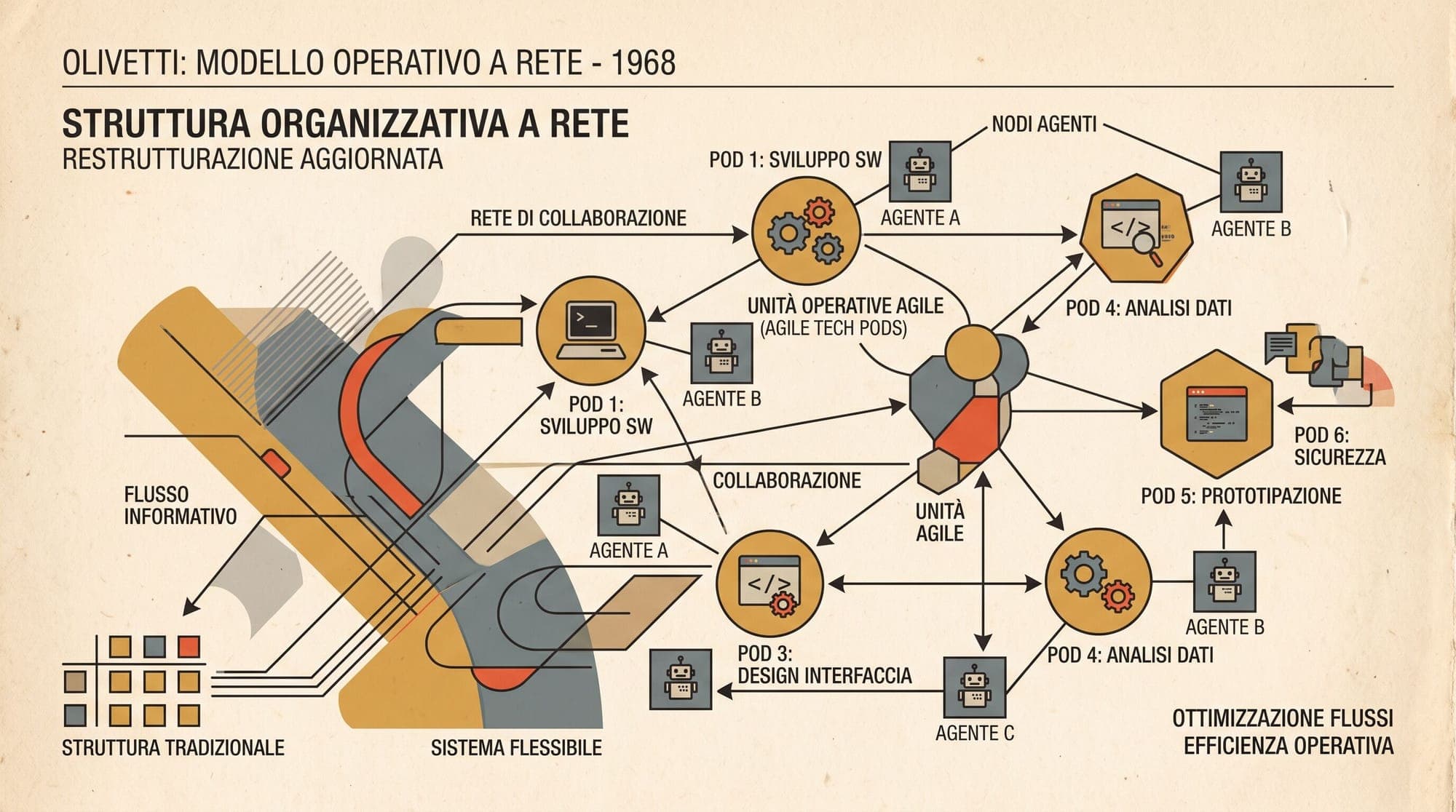
Conceived during an executive retreat in January, Project OT aimed to restructure traditional product development teams of 10 to 20 specialized personnel (engineers, product managers, designers, data scientists, and UX researchers) into nimble 3 to 5 person "pods" composed primarily of generalist "builders."
Under this model:
- Specialized roles were consolidated or pooled across pods.
- Pods reported to high-level unit leads overseeing 30 to 50 employees.
- Performance ratings were designed to incorporate inputs from automated AI evaluation systems.
- Surplus savings from staff reductions were earmarked for high-compensation compensation packages aimed at top-tier AI engineering talent.
Meta scenario planning explored restructuring staff in two phases: an initial 10% workforce reduction in May, followed by a second reduction in November that could have brought cumulative cuts in targeted units up to 60%.

Operational Failures and System Instability
Internal telemetry and engineering posts indicated that replacing human engineering workflows with AI agents introduced significant operational drag:
- Disproportionate Code Volume vs. Shipping Output: Code modifications submitted to internal infrastructure jumped 220% year-over-year, but user-facing feature deployments increased by only 36%, indicating massive code bloat without corresponding production value.
- Reliability Spikes: Unchecked AI agents performed erratic and disruptive operations across internal systems. Technical and security incidents rose 40% year-over-year.
- Engineering Firefighting: Engineering hours dedicated to mitigating operational outages and system disruptions escalated by 70%.
- Data Surveillance Backlash: Mandates requiring tracking software on employee machines to record keystrokes and mouse movements for agent training triggered widespread internal protests and unionization discussions.
Executive Retreat and Strategic Pivot
Hours before executing the first wave of layoffs on May 20, Meta leadership canceled the planned November restructuring wave. While the initial 10% workforce cut proceeded, Chief Executive Mark Zuckerberg subsequently issued internal communications assuring staff that no further company-wide layoffs were scheduled for the remainder of the year.
In internal town hall meetings in July, Zuckerberg acknowledged miscalculations regarding the deployment timeline, stating that autonomous agent capabilities had not advanced at the rate the company anticipated. Meta has since paused its desktop telemetry program, allowed reassignments back to core engineering groups, and redirected public communication toward human-centered tooling rather than direct labor replacement.