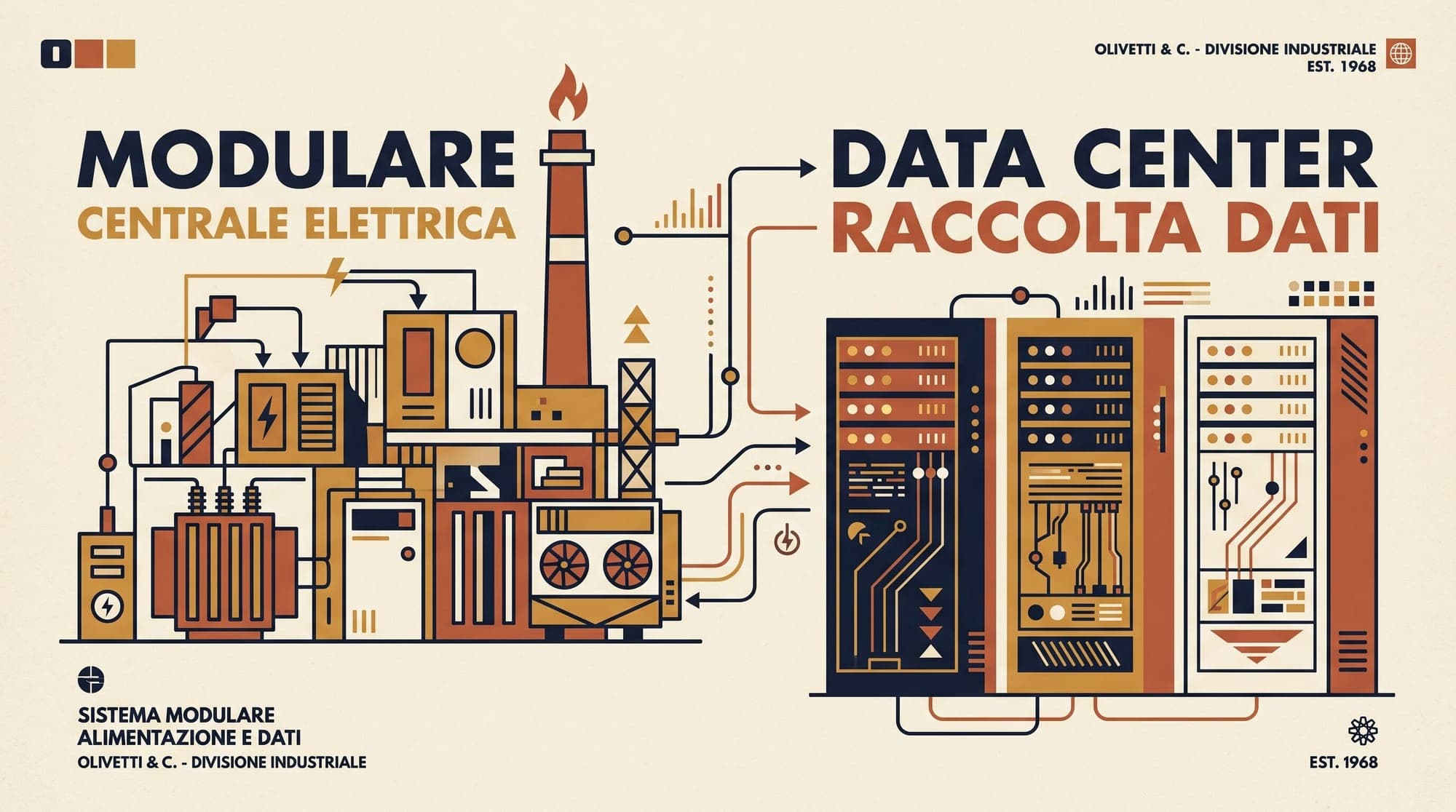
Irish lawmakers are moving to reconsider the country's statutory ban on nuclear energy as rapidly expanding data centers push national electricity demand to record levels.
Data centers in Ireland now consume approximately 21% to 25% of the state's metered electricity, surpassing the combined consumption of all urban households. Grid operators project that share could rise to 30% or more by 2032, driven by hyperscale cloud expansions and artificial intelligence infrastructure. The mounting strain on grid capacity has reopened a policy debate over Section 18 of the Electricity Regulation Act 1999, which prohibits the generation of nuclear fission electricity in the Republic of Ireland.

The Legislative Push for Small Modular Reactors
Following public remarks from Taoiseach Micheál Martin expressing openness to evaluating advanced nuclear technologies, Fianna Fáil TD James O’Connor introduced legislative proposals to repeal the 1999 statutory veto.
Proponents of lifting the ban argue that baseload power constraints risk undermining Ireland's position as a European technology hub while elevating wholesale power costs for industrial consumers. Key arguments in favor of evaluating nuclear power include:
- Firm Baseload Capacity: Unlike intermittent solar and offshore wind, nuclear generation provides continuous 24/7 output required by enterprise data centers without requiring natural gas peaking plants.
- Small Modular Reactor (SMR) Maturation: Factory-fabricated SMR designs offer smaller geographic footprints (ranging from 50 MW to 300 MW per module), enabling co-location near industrial energy parks.
- Emissions Targets: Meeting statutory carbon reduction targets while accommodating double-digit electricity demand growth requires zero-carbon firm generation alongside renewables.
Grid Realities and Policy Counterarguments
Despite legislative momentum, energy analysts and grid planners caution that nuclear power does not offer a near-term fix for Ireland's immediate grid challenges.
- Deployment Timelines: Developing nuclear regulatory frameworks, licensing procedures, environmental assessments, and site selection is projected to take 15 to 20 years before a commercial reactor could supply power to the Irish grid.
- Capital and Grid Focus: Critics contend that reopening the nuclear debate risks diverting capital and political focus away from deployable near-term solutions, including grid transmission upgrades, interconnector cables to continental Europe, battery storage, and offshore wind buildouts.
- On-Site Power Mandates: The Irish government recently introduced policies under the Large Energy User Action Plan requiring new data center developments to contract for dedicated off-grid renewable power or install on-site generation, preventing direct unconstrained draws on the public transmission network.
The debate in Ireland mirrors policy reconsiderations across European and North American markets, where hyperscalers and utility regulators are grappling with the power demands of large-scale AI computation.