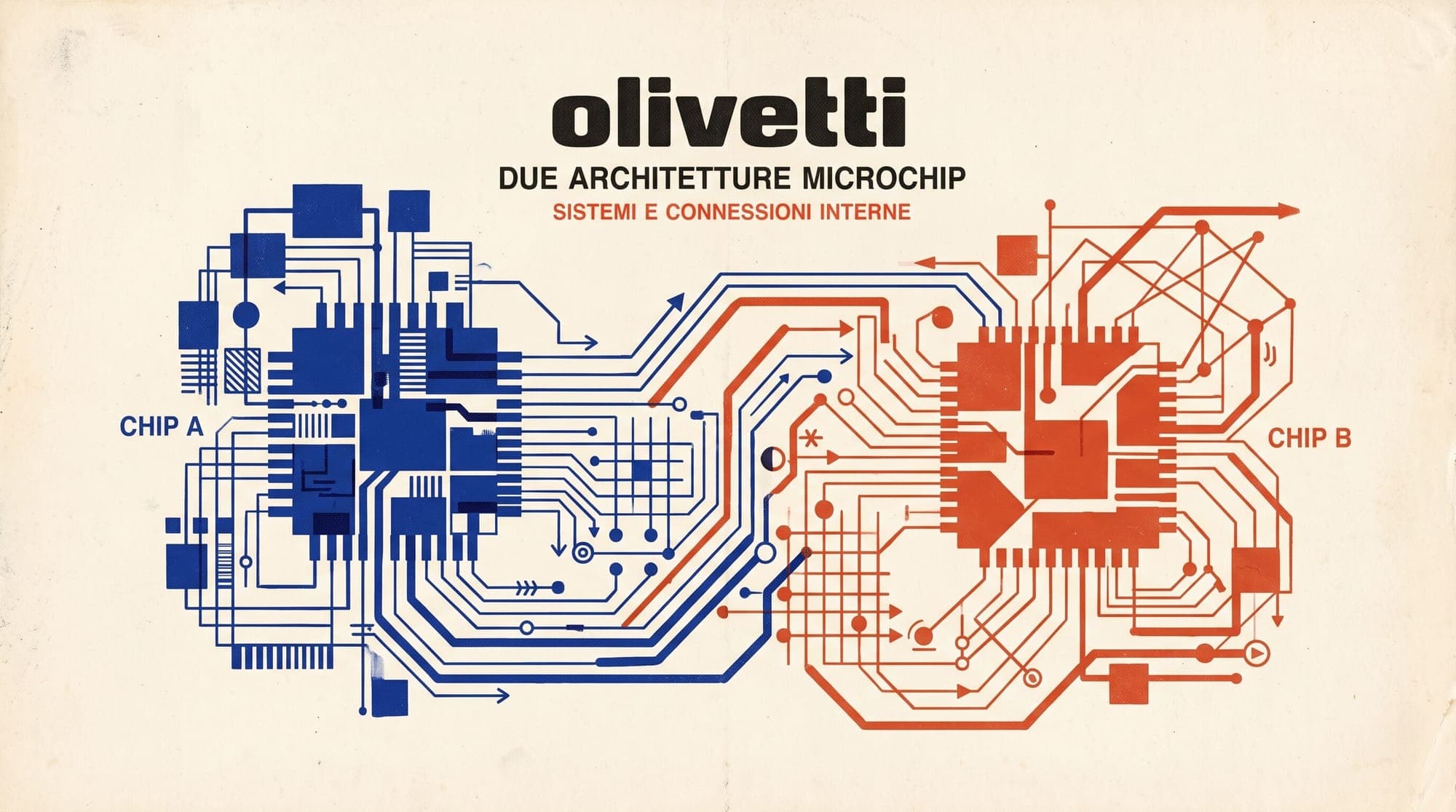
At the Hot Chips 2026 symposium, IBM unveiled the technical specifications for its upcoming dual-architecture enterprise processor designed for next-generation IBM Z and LinuxONE systems. The silicon marks the first hardware deliverable resulting from IBM's strategic partnership with Arm announced in April 2026.
Fabricated on an advanced 2-nanometer process node, the processor contains 11 high-performance cores operating at frequencies exceeding 5.7 GHz. Rather than employing a heterogeneous multi-die layout with separate Arm and mainframe cores, IBM engineered a unified core microarchitecture capable of executing both IBM z/Architecture and Arm AArch64 instruction sets natively and concurrently.
Microarchitecture and Native Dual-ISA Execution
Traditional cross-platform mainframe support relies on binary translation, emulation, or dedicated sidecar accelerator cards, introducing latency and translation penalties. In IBM's new 2nm design, the execution pipelines, register structures, and decoder units handle both instruction sets as first-class primitives.

Key hardware subsystems integrated onto the processor package include:
- Dual-ISA Execution Engine: Each individual core switches between z/Architecture and Arm AArch64 instruction streams within nanoseconds, enabling simultaneous execution of mainframe operating systems (such as z/OS) and standard Linux Arm distributions without code changes.
- On-Chip AI Inference Acceleration: An integrated neural processing engine embedded directly in the core complex accelerates deep learning inference, specifically targeting low-latency tasks such as transactional fraud detection, automated compliance screening, and real-time risk scoring during active database transactions.
- Dedicated Data Processing Unit (DPU): An on-die I/O accelerator offloads storage fabric communications, networking protocols, and cryptographic handshakes from primary compute cores.
- Memory Subsystem: The processor features an expanded multi-level cache hierarchy paired with high-bandwidth memory (HBM3e) support to supply high memory bandwidth for inference serving and data-intensive mainframe transactions.
Enterprise Workload Consolidation
The architectural convergence addresses enterprise demand for modernizing mainframe infrastructure without abandoning legacy transaction systems. Organizations can deploy standard containerized Arm applications and AI pipelines via orchestration platforms like Red Hat OpenShift directly alongside core banking and transaction processing workloads.
By eliminating the requirement to maintain distinct software ports for IBM's proprietary s390x architecture, the dual-ISA platform expands the available open-source software and developer ecosystem for mainframe hardware while maintaining the fault tolerance, cryptographic hardware isolation, and transaction consistency typical of IBM Z environments.