Huawei Cloud has officially moved its CodeArts Agent development platform from public beta to general availability across the Asia Pacific region. The commercial release makes both Basic and Professional editions accessible to international enterprise accounts, expanding the vendor's enterprise AI infrastructure stack beyond its domestic market.
The rollout follows an initial open beta launched in Thailand in July 2026. CodeArts Agent is structured around multi-agent coordination across the software development lifecycle, targeting repository-level refactoring and autonomous task execution rather than isolated inline code autocompletion.

Multi-Agent Team Structure and Capabilities
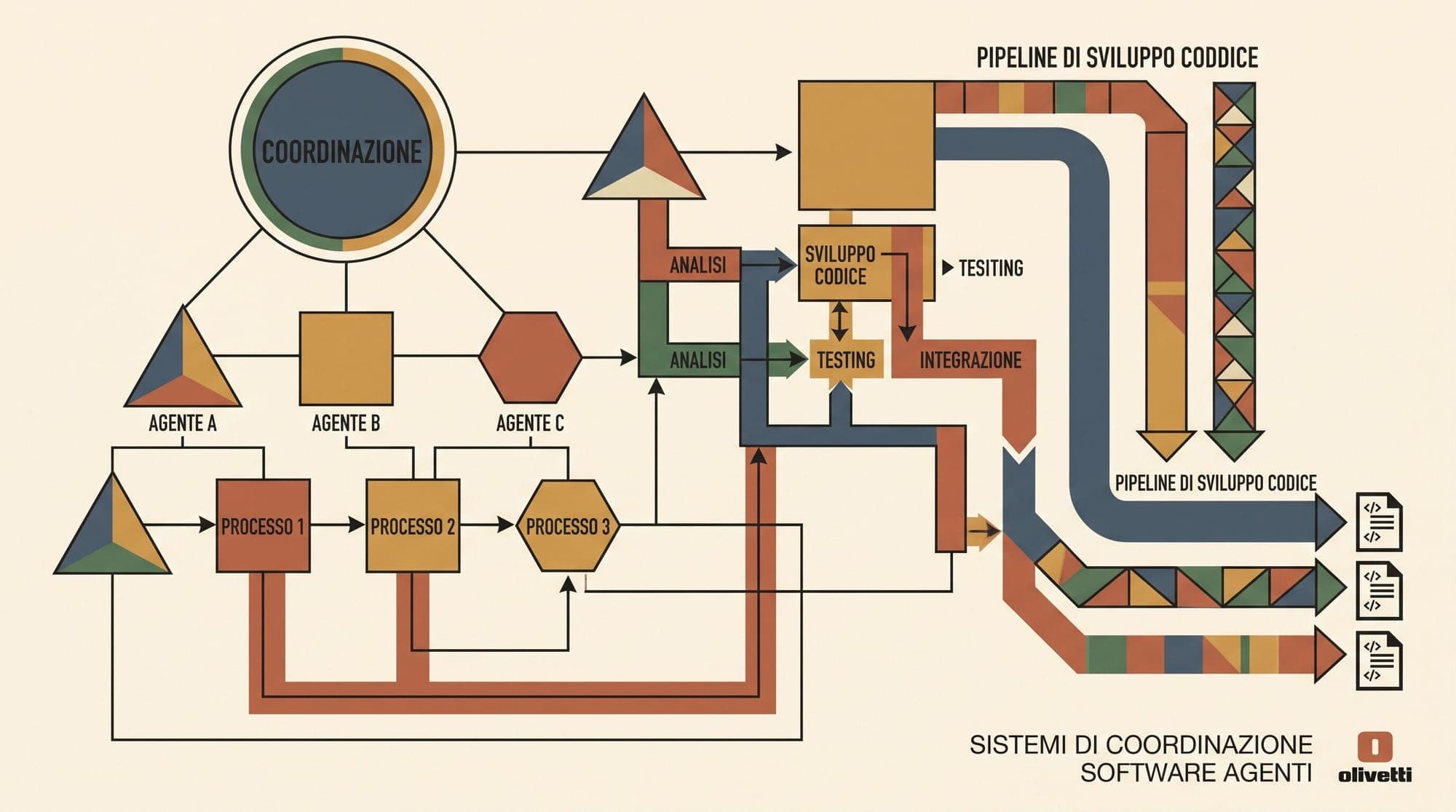
The platform centers on an "Agent Team" architecture dividing engineering workloads across 16 specialized autonomous agents. These roles cover specific phases of the development pipeline:
- Requirements Analysis and Design: Agents ingest engineering specifications to generate architectural diagrams and system interfaces.
- Implementation and Refactoring: Specialized code agents write modular implementations across multiple languages and tech stacks.
- Testing and Verification: Test agents autonomously draft, execute, and calibrate unit and integration test suites.
- Fault Localization and Remediation: Root-cause analysis agents parse error logs, execution traces, and stack dumps to patch bugs.
- Code Review and Compliance: Review agents verify code against internal enterprise style guidelines and security policies.
Huawei reports that the platform incorporates over 30 reusable engineering skills derived from internal R&D practices. The system also supports the Model Context Protocol (MCP) framework and knowledge base connectors to link local documentation, API schemas, and proprietary codebases.
Deployment Modes and Integration
CodeArts Agent is delivered through three primary deployment modalities:
- AI IDE and IDE Extensions: Native plugins for popular integrated development environments, including JetBrains IDEs and VS Code, alongside a standalone AI-native IDE interface.
- Standard and Explore Modes: Dual operational profiles designed to balance open-ended agentic exploration with strict enterprise governance and audit logging.
- Open APIs: Direct programmable interfaces allowing enterprise teams to trigger autonomous coding agents from external CI/CD pipelines.
According to Huawei Cloud's service notices, existing beta users will transition to commercial tiers without workflow disruption, with baseline pricing remaining unchanged from the pre-launch schedule.
Regional Enterprise Strategy
To drive adoption across Southeast Asia, Huawei hosted a commercial launch in Singapore, introducing an onboarding program that provides eligible enterprises with three months of complimentary Professional Edition access alongside local technical consulting.
The launch places Huawei Cloud in direct competition with enterprise coding platforms from Microsoft, Google, and independent agent frameworks. While Huawei has promoted the system's capacity to navigate multi-million-line repositories, the company has not published public benchmark comparisons on standardized evaluations such as SWE-bench Verified or revealed the specific model parameter weights powering each agent role.