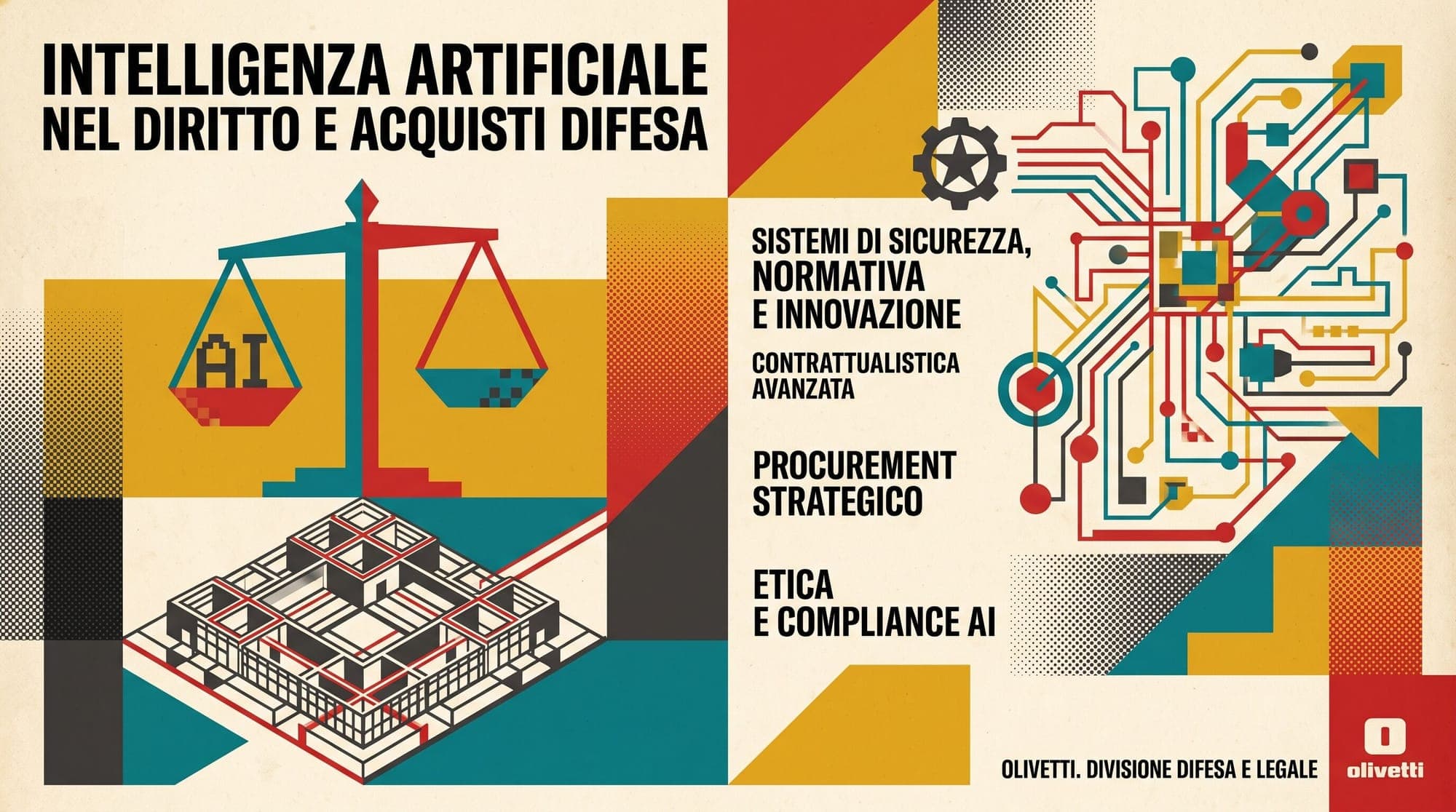
A federal court has permanently blocked the Department of Defense from enforcing a supply chain risk designation against artificial intelligence developer Anthropic, ruling that the Pentagon's blacklisting violated the First and Fifth Amendments of the U.S. Constitution.
U.S. District Judge Rita Lin of the Northern District of California issued a 59-page decision overturning Defense Secretary Pete Hegseth's February 2026 classification. The ruling makes permanent an injunction granted earlier this year and bars federal agencies from executing directives aimed at purging Anthropic software from defense systems.
Legal Findings and Constitutional Grounds
The court found that the executive branch acted unlawfully by retaliating against Anthropic for its public positions on AI governance and model deployment restrictions. Judge Lin wrote that while the military maintains wide latitude in procurement choices, the government cannot weaponize national security designations to punish protected speech.
"The empty invocation of national security is not a blank check to punish and retaliate against government critics," Judge Lin stated in the ruling. The court also held that the Department of Defense violated the Fifth Amendment by failing to provide Anthropic with adequate pre-deprivation notice or administrative opportunity to contest the designation before imposing commercial restrictions.

Background of the Procurement Dispute
The conflict originated when Anthropic declined to modify terms of service that restrict the deployment of its Claude model family for mass domestic surveillance and fully autonomous weapons systems. Following that refusal, Defense Department leadership classified Anthropic as a supply chain risk under federal procurement statutes historically applied to foreign adversaries and entities suspected of espionage or sabotage.
The designation barred Anthropic from direct and subcontracting roles across military programs, prompting the company to file suit on March 9, 2026. Anthropic contended that the classification inflicted severe reputational harm and jeopardized billions of dollars in commercial and public-sector revenue. The Justice Department argued in defense filings that restrictions imposed by private vendors could create operational liabilities for military systems during critical missions, but the court found no factual basis connecting Anthropic's policies to statutory supply chain threats.
Anthropic maintains an active parallel lawsuit in Washington, D.C. challenging related restrictions affecting civilian agency procurement. The Department of Justice has not yet indicated whether it will appeal the California ruling.