ByteDance has initiated an internal organizational restructuring to consolidate its enterprise AI developer tools and agent platforms under the Doubao ecosystem. The company is merging the teams and technologies behind its AI programming suite TRAE and agent-building platform Coze into Doubao, preparing to launch a unified enterprise AI suite branded "Doubao Work."
The restructuring concentrates disparate AI tools into a single corporate pillar to compete against domestic rivals, notably Tencent's WorkBuddy enterprise platform.
Consolidating AI Developer and Agent Tooling
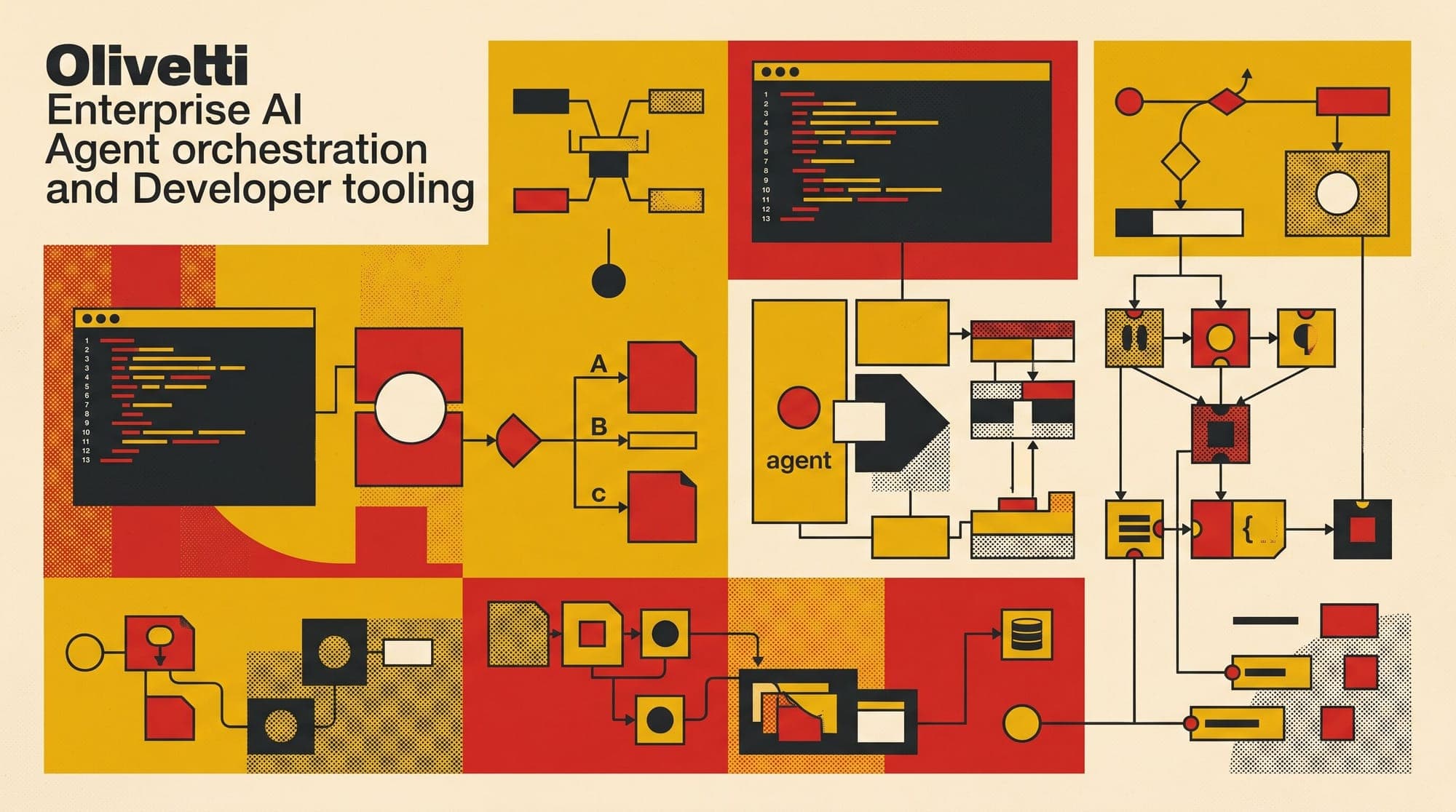
Prior to the realignment, both TRAE and Coze were operated within ByteDance's Product R&D and Engineering Architecture Department. TRAE was initially launched as an AI-assisted programming environment, while Coze operated as an orchestration framework for developing autonomous agents and multi-tool workflows.
Under the new structure, product and engineering teams from both divisions will report directly to Zhao Qi, Head of Doubao Products. The capabilities are being segmented across specialized workflows:
- Workplace Agent Workflows: The business automation logic of TRAE Work and Coze is being integrated directly into Doubao's core workplace capabilities.
- Dedicated Programming Line: The TRAE IDE and CLI will continue active development as the standalone software engineering product line under the Doubao banner.
- Unified Branding: An independent enterprise product called Doubao Work will launch as the overarching umbrella for ByteDance's workplace AI portfolio.

Enterprise Feature Expansion and Lark Integration
The consolidation follows a series of rapid feature releases for Doubao's desktop client. Over recent weeks, ByteDance expanded the software to include Windows virtual desktops, cloud workstations, remote machine control, and a sidebar workbench, alongside more than 200 pre-configured connectors and skills.
A dedicated "Work" mode tab has also been added to the top navigation of the Doubao desktop interface, allowing users to switch between standard chat interactions and autonomous multi-step agent execution.
The restructuring also deepens integration with Lark (Feishu), ByteDance's enterprise collaboration suite. Following an earlier operational alignment between the Lark and Doubao business units, Lark's built-in AI assistant, formerly known as "Aily Smart Partner," has been formally renamed "Doubao Work Partner."
Strategic Focus on Core AI Infrastructure
ByteDance confirmed that existing users of TRAE and Coze will maintain access to their current services and benefits without interruption during the migration.
The organizational shift reflects directives shared by ByteDance CEO Liang Rubo during the company's August all-hands meeting. Liang framed ByteDance's strategic priorities around three central pillars: artificial intelligence, information platforms, and transaction services. By folding fragmented agent frameworks into Doubao, ByteDance aims to eliminate redundant development efforts and establish Doubao as a unified platform across consumer and enterprise deployments.