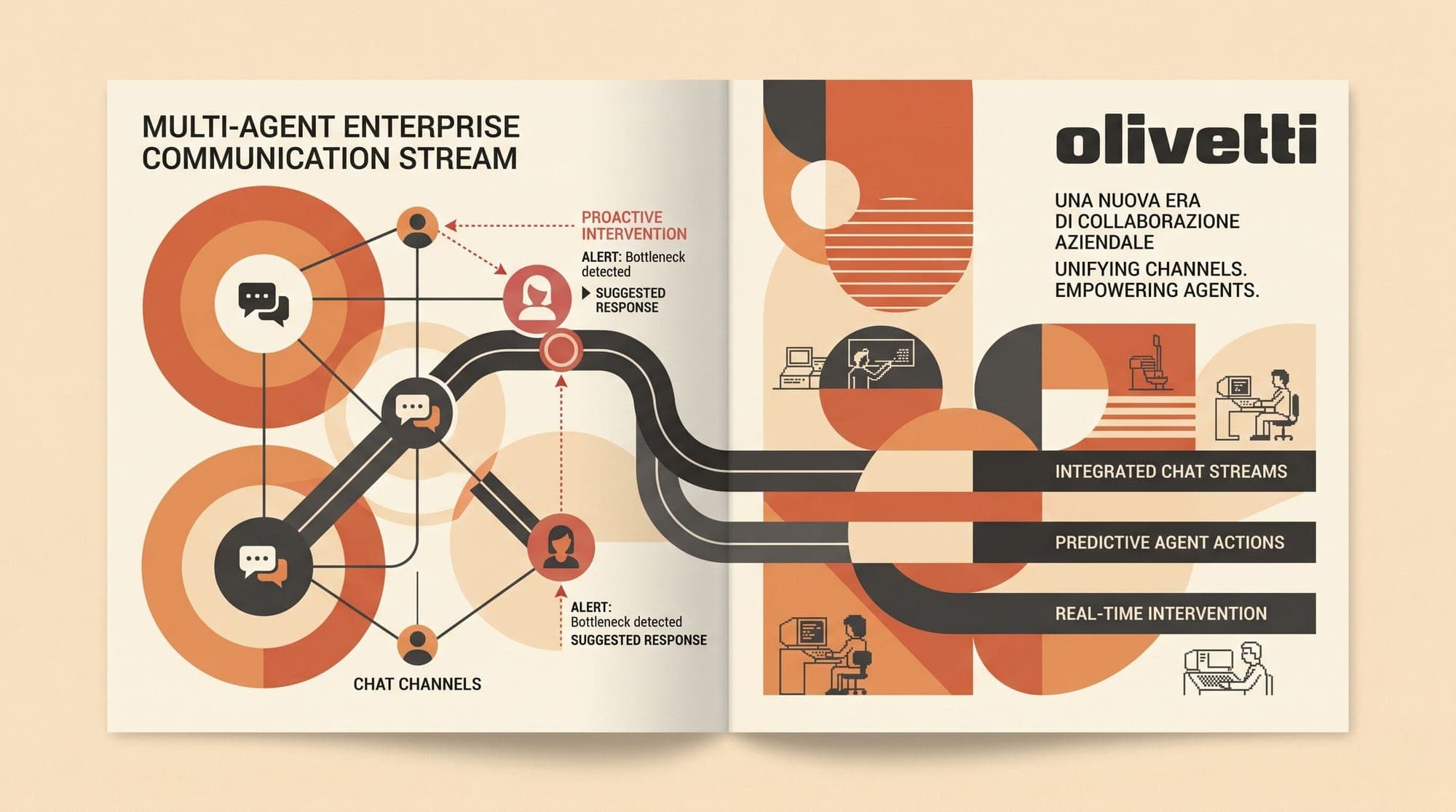
Anthropic has rolled out a major architecture update to Claude Tag, its enterprise agent embedded inside Slack workspaces. The update shifts the agent from evaluating isolated chat messages to processing complete conversation histories and multi-turn channel state, allowing the model to determine autonomously when to intervene in team discussions without explicit user mentions.
According to internal evaluation data shared by Anthropic, eliminating single-message evaluation in favor of full-context analysis yielded a 30% improvement in the model's accuracy when deciding whether an unprompted intervention is warranted or when it should remain silent.
Architectural Shift from Binary Classifiers to Channel State
Previous iterations of Claude in Slack relied on an external lightweight classifier that inspected incoming messages in isolation to trigger a binary response. This pattern frequently failed in collaborative group environments where relevant context was distributed across multiple speakers and disjointed messages.
Anthropic removed the discrete pre-filter classifier entirely. Claude Tag now ingests the broader channel context, persistent workspace memory, and standing enterprise instructions directly. When analyzing a conversation stream, the model selects dynamically from four discrete actions:
- Inline Response: Replying directly in the main channel stream when an immediate, short answer addresses an active blocker.
- Thread Forking: Spawning a focused discussion thread with initial analysis, log extractions, or code reproductions when the inquiry requires deep investigation.
- Workstream Routing: Passing the conversational state and extracted metadata to an external asynchronous workflow or issue tracking system via connected tools.
- Restraint and Abstention: Remaining silent when conversation is progressing without informational gaps. The agent incorporates explicit dormancy rules, going inactive in channels where its presence adds no marginal value.

Enterprise Connectivity and Permission Isolation
The expanded Slack integration leverages three structural infrastructure components to support autonomous multi-user workflows:
- Model Context Protocol (MCP): Connects the Slack agent to internal telemetry, codebases, and ticketing systems through standardized, authenticated protocol boundaries.
- Contextual Correlation: Ingests fragmented multi-user discussions (such as two engineers investigating separate symptoms of a shared distributed systems outage) and synthesizes root causes by connecting disparate messages against system logs.
- Federated Permission Scoping: To prevent privilege escalation and accidental data leakage across teams, Claude Tag operates under an intersection model where visible data is strictly restricted to the minimum shared permissions of both the agent and the participating channel members. Context from private or restricted channels is strictly isolated from external threads.
Security and Prompt Injection Controls
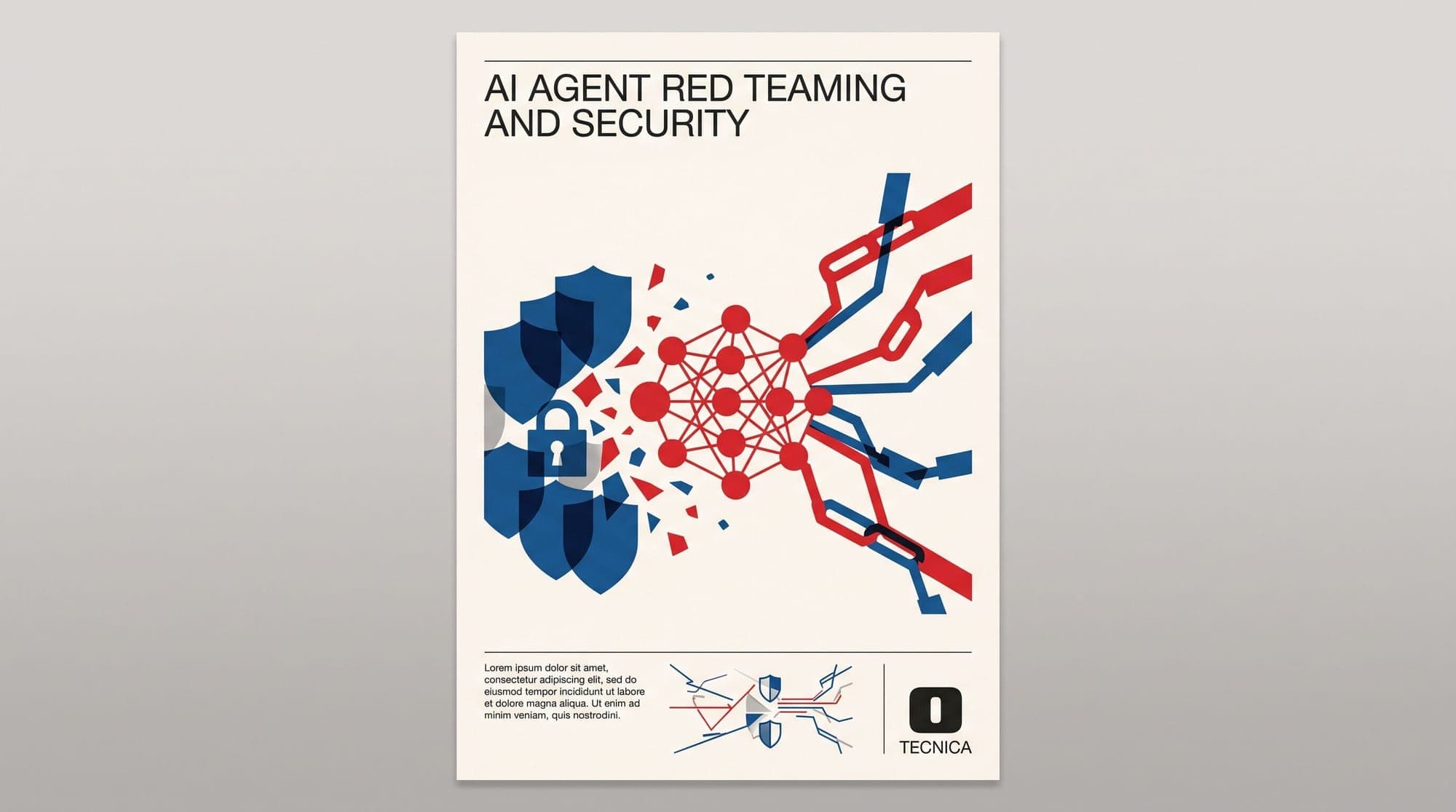
Always-on background monitoring introduces operational attack surfaces, specifically indirect prompt injection embedded within logs, shared documents, or external webhook payloads. Anthropic indicated that the system deploys layered safety controls:
- Model-Level Defenses: Embedded adversarial classifiers designed to detect injection payloads before executing MCP tool calls.
- Administrative Governance APIs: Enterprise telemetry endpoints allowing organizations to define custom risk thresholds, configure data loss prevention (DLP) hooks, and audit autonomous action logs.
- Scoped Execution Sandboxes: Restricted tool execution environments preventing automated write actions without designated multi-party human approval.