AI detectors are creating a new era of distrust
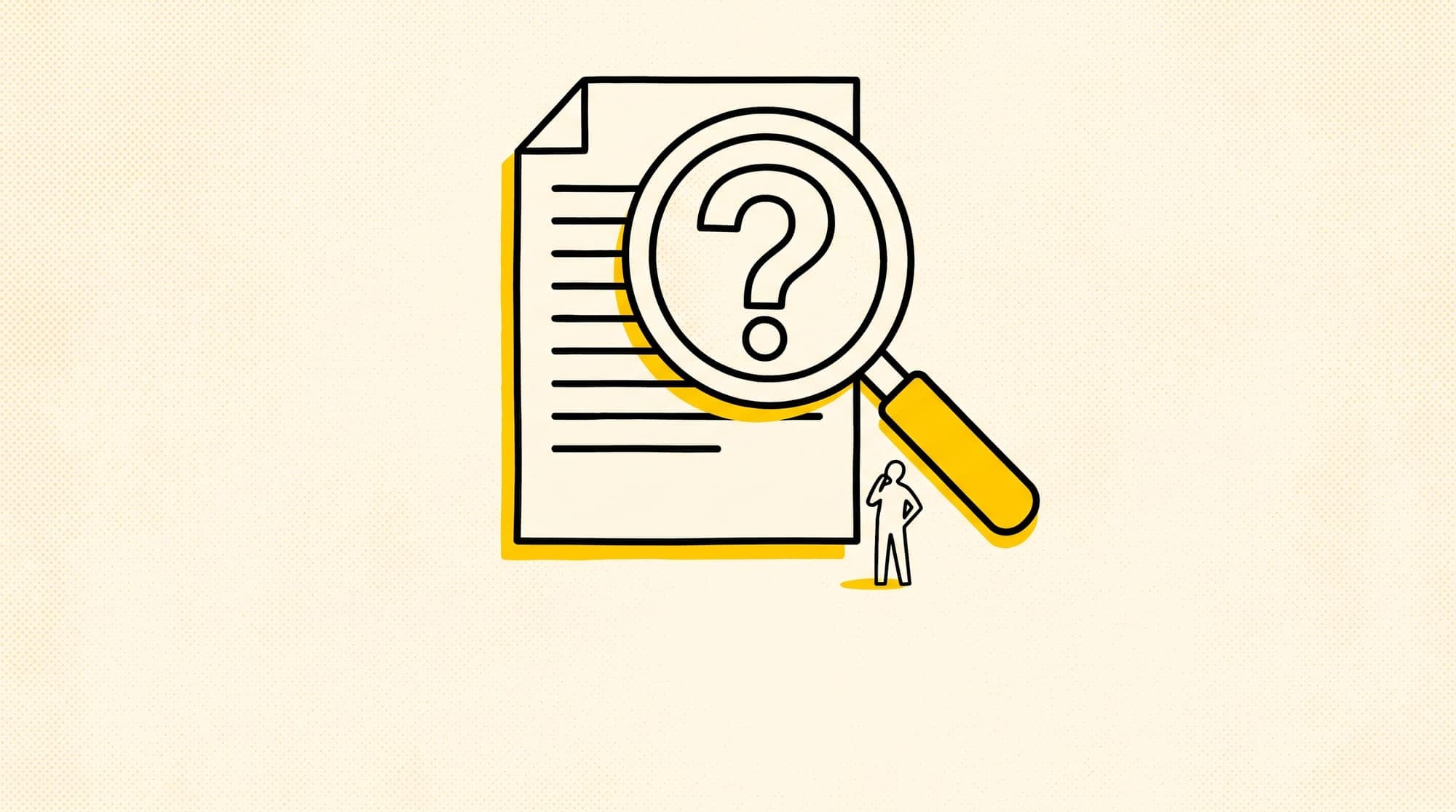
Classrooms and newsrooms are reaching for tools that claim to spot AI-generated writing, even though the tools themselves lean on the same kind of AI they are supposed to police. The result is a growing atmosphere of suspicion rather than clarity.

The hunt for copied work is older than generative AI. For years, plagiarism tools such as Turnitin compared student writing against a database of web pages and scholarly articles, flagging sentences that matched. Turnitin even produced an overlap percentage meant to show how much of a paper appeared elsewhere. But that approach had problems of its own: false positives and uncertainty about whether matches were intentional led some educators to stop trusting the tool long before ChatGPT existed.
The detection game has since changed. Newer tools, including GPTZero and Pangram alongside an updated Turnitin, no longer rely mainly on string matching. Instead they use their own AI models to guess whether text was written by a human or generated by a machine, a process that is arguably murkier than comparing against a database.
That has not slowed adoption. A survey from the Center for Democracy and Technology found that 43 percent of sixth to twelfth grade teachers in the United States used AI detectors regularly between 2024 and 2025. Some universities that already ran Turnitin found the service turned AI detection on automatically when the feature launched in 2023.
The tension is that these tools are meant to restore trust in authorship, yet they breed the opposite. Students can be accused on a probability score, and writers who compose carefully can still trip a detector. Because educators and publishers keep using the tools even while acknowledging they can be unreliable, the ground truth about who wrote what becomes harder, not easier, to establish.
The deeper shift is cultural. The question is no longer only whether text is original. It is now whether any piece of writing, no matter how human, carries lingering suspicion simply because detection software exists and is widely deployed.
Sources
- The Verge, "AI detectors are creating a new era of distrust" (Aug 9, 2026), https://www.theverge.com/column/976690/ai-writing-detectors-suspicion
- Center for Democracy and Technology, educators survey (2024-2025), https://cdt.org/wp-content/uploads/2025/10/FINAL-CDT-2025-Hand-in-Hand-Polling-100225-accessible.pdf
- Purdue Online, "Turnitin adding AI writing detection" (2023), https://discover.online.purdue.edu/news/2023/03/28%20-%20Turnitin%20adding%20AI%20writing%20detection,%20but%20instructors%20should%20use%20it%20with%20caution.php